



Coloured Paper Drawing
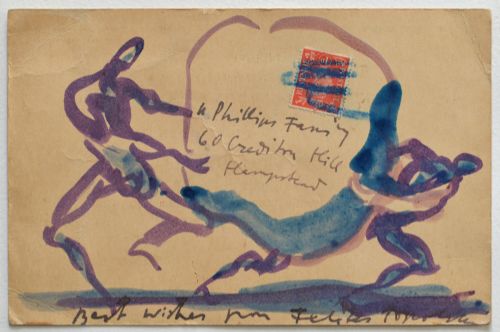
A coloured paper drawing brings immediate warmth and texture to a room, using the tone of the sheet itself to hold the composition.
Coloured Paper Drawing
A coloured paper drawing is an original work on tinted or coloured stock, combining graphic line with the hue of the background. Buyers seek these pieces for their intimate scale and the way the coloured ground unifies the drawing.
The selections available here range across multiple periods, including 18th century German watercolours, 19th century Italian scenes, and twentieth century modernist works. Visitors will encounter framed pictures, wall art, and original sketches.
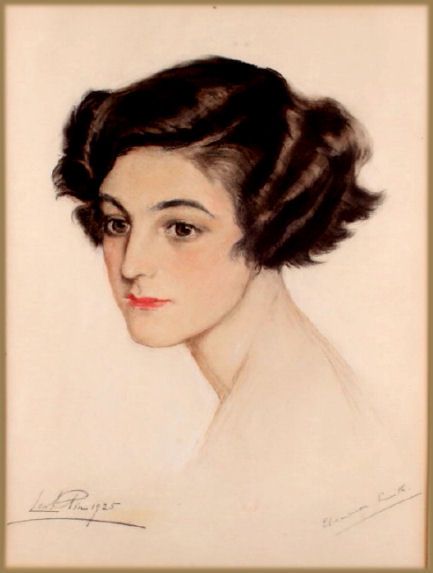
Subjects vary widely, spanning horse racing pastels, portraiture, theatrical studies, and topographical views. Each piece represents a direct touch from the artist's hand onto a prepared surface.
Materials and Technique
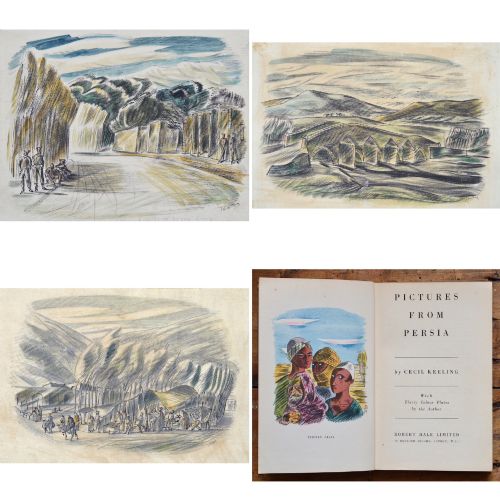
Artists utilise paper as a fundamental mid-tone, applying watercolours, gouache, coloured pencil, ink, pastel, and chalk directly onto the coloured sheet. The dry media sit visibly on the textured grain, while fluid washes sink into the fibres.
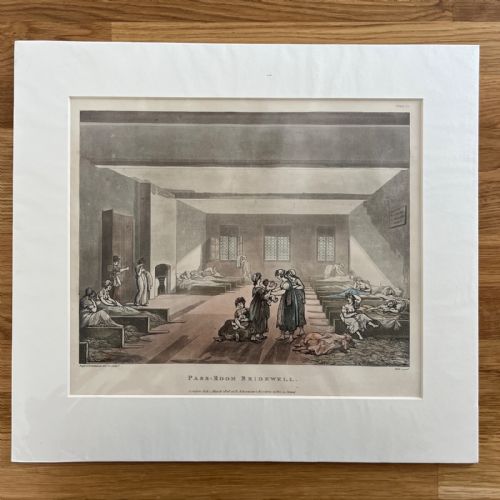
Support materials frequently include glass and wood frames that protect the delicate works on paper from atmospheric moisture and handling. Linework in ink or graphite establishes the armature, over which pastel pigments or watercolour washes add depth.
Coloured Paper Drawing Retail Price Guide 2026
Typical asking prices for coloured paper drawing among the pieces listed under this phrase on Sellingantiques today, from the lower quarter to the upper quarter. They describe what is for sale here now, not the wider market.
Materials recorded across the inventory include paper, glass, wood, watercolour, coloured pencil, ink, pastel, and chalk.
Judging Quality
Quality rests upon the sureness of the draftsmanship and how effectively the artist uses the tinted paper as a deliberate tonal value rather than a mere background. Stronger examples display confident handling of line and pigment that interact dynamically with the paper hue.
Condition and preservation dictate the longevity of these works, particularly where fugitive watercolours or pastels are exposed to light. Pieces that retain their original intensity of colour and remain free from heavy foxing command greater appreciation.
John Rattenbury Skeaping·Adrian Heath·Charles H Poingdestre·Irene Lagut·Yves Brayer·Henry Bird·Leo Klin
The Coloured Paper Drawing Glossary
- Pastel
- A dry drawing medium consisting of powdered pigment and a binder, which adheres directly to the paper tooth without liquid.
- Watercolour
- A paint consisting of pigment suspended in a water-soluble vehicle, used to create transparent washes on paper.
- Gouache
- An opaque watercolour paint that includes a white pigment filler, yielding solid, flat areas of colour.
- Provenance
- The documented history of ownership of an artwork, establishing its authenticity and past exhibition or publication.
Coloured Paper Drawing: Frequently Asked Questions
How should I frame a coloured paper drawing?
Protect delicate works behind glass with a window mat that prevents the surface from touching the glazing directly. Use UV-filtering glass to guard sensitive pastels and watercolours against fading.
Keep framed pieces away from direct sunlight and damp environments to preserve both the paper and the media.
What periods do these drawings come from?
The pieces span several centuries, including eighteenth century German studies, nineteenth century Italian watercolours, and twentieth century modernist works. Mid-century and art deco examples also appear frequently.
Each era brings distinct stylistic conventions, from classical topography to expressive portraiture.
Are these works original or printed?
Every piece offered in this category is an original work on paper, executed by hand using media such as ink, pastel, or watercolour. You are looking at unique strokes rather than a mechanical reproduction.
Signatures, dates, and handling marks confirm the direct involvement of the artist.
How do I care for antique works on paper?
Maintain stable indoor humidity and moderate temperatures to prevent the paper from warping or becoming brittle over time. Professional framing using acid-free materials ensures the long-term stability of the sheet.
Inspect the backing boards periodically to ensure no environmental damage occurs.