




Coloured Lithograph Artwork
These coloured lithograph artwork pieces bring vibrant historical scenes and natural history subjects directly into your room on paper.
Coloured Lithograph Artwork
Coloured lithograph artwork encompasses printed images produced from limestone or metal plates, spanning from the Georgian and Victorian eras through the mid twentieth century. Buyers seeking this phrase encounter framed prints, individual sheet prints, and multi-plate sets originating from British and American publishers.
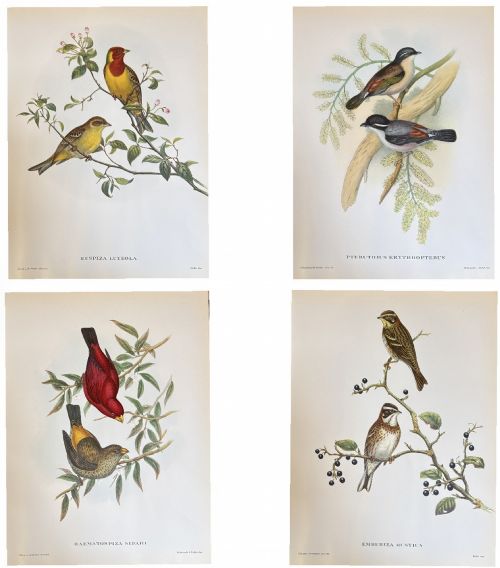
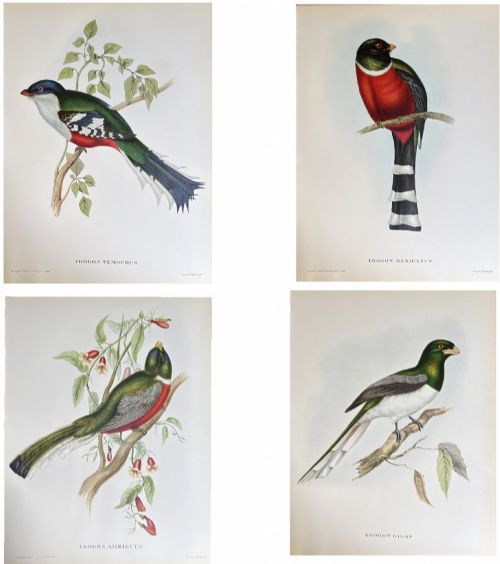
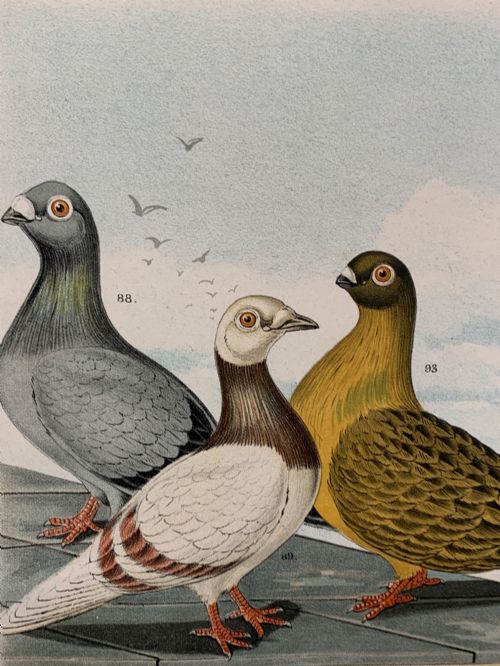
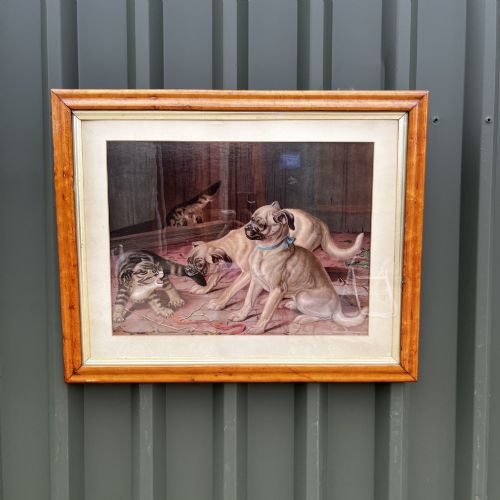
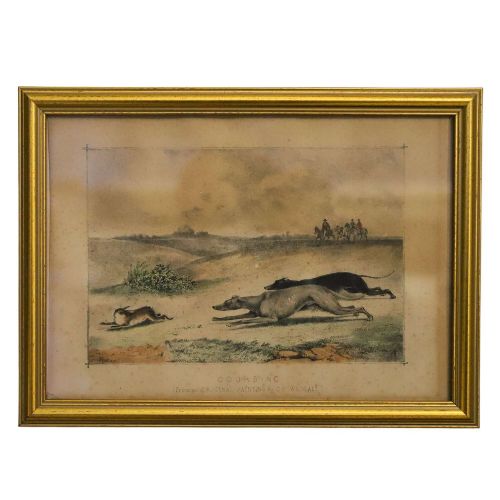
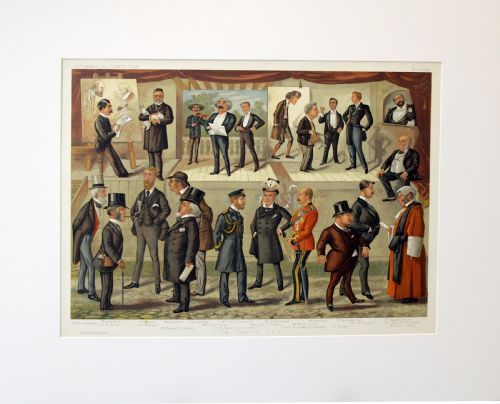
The selections on this page concentrate heavily on nineteenth century subjects, ranging from natural history depictions of birds and pigeons to sporting scenes, political caricatures, and theatrical prints. Many examples arrive mounted in wood frames, while others remain loose sheets ready for framing.
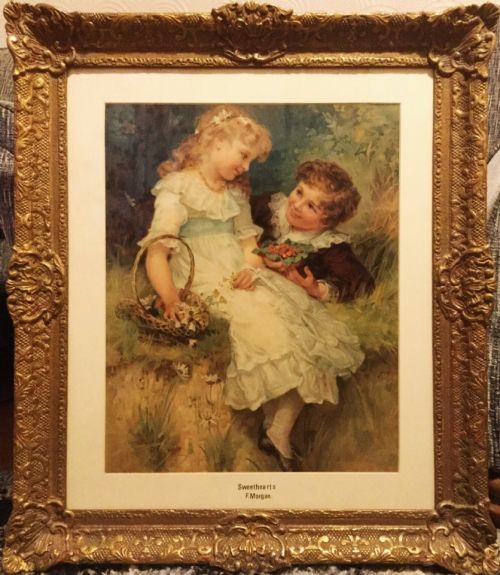
Natural history and sporting subjects dominate the earlier nineteenth century examples, whilst Victorian portraiture and Pears prints represent the later periods. These works capture popular culture, domestic animals, and theatrical melodrama from their respective decades.
Materials and technique
These works rely on paper sheets printed through the planographic lithographic process, which uses grease and water to transfer ink from a flat stone or metal plate. Printers often enhanced the base monochrome or multicoloured impressions by applying watercolour or hand tinting over the ink.
Period framing utilises wood, including gilded wood and gold leaf mouldings, to house the paper prints behind protective glass. The combination of printing ink, watercolour pigments, and paper creates layered surfaces characteristic of nineteenth and twentieth century production.
Coloured Lithograph Artwork Retail Price Guide 2026
Typical asking prices for coloured lithograph artwork among the pieces listed under this phrase on Sellingantiques today, from the lower quarter to the upper quarter. They describe what is for sale here now, not the wider market.
The available artwork includes natural history illustrations, political prints, and Vanity Fair chromolithographs across multiple centuries.
Quality and distinction
Quality rests upon the precision of the initial printing registration and the subtlety of any applied watercolour or hand tinting. Crisp ink lines and harmonious colour application elevate a print above flat, mechanically washed impressions.
The integrity of the paper support and the retention of original framing materials heavily influence the overall character of each piece. Intact margins on unfolded double-page plates and well-preserved nineteenth century wood frames distinguish superior examples.
Frederick Morgans·Horatio Henry Couldrey·William Powell Frith·Thomas Worth
The Coloured Lithograph Artwork Glossary
- Chromolithograph
- A multi-coloured print produced using lithographic stones for each separate colour layer. This technique allowed for rich hues without requiring individual hand colouring.
- Lithograph
- An image printed from a flat stone or metal plate treated to repel and accept ink where required. The process formed the backbone of nineteenth century mass illustration.
- Pears print
- A commercial advertising print distributed by the Pears soap company, often reproducing popular Victorian oil paintings. These affordable art prints became household staples across Britain.
- Hand coloured
- A print finished with applied watercolour or tinting by hand after the primary printing stage. This treatment added individual depth to specific details like bird plumage or costume fabrics.
- Vanity Fair chromolithograph
- A satirical portrait print published in the British weekly magazine Vanity Fair, known for characterful caricatures of prominent figures. These double-page plates are prized by collectors for their sharp social observation.
Coloured Lithograph Artwork: Frequently Asked Questions
What is a coloured lithograph artwork?
A coloured lithograph artwork is an image printed from a prepared stone or plate surface onto paper, featuring added colour either through multi-stone printing or subsequent hand tinting. These pieces range from natural history illustrations to Victorian character portraits.
Publishers produced them in large numbers during the nineteenth and early twentieth centuries to decorate domestic interiors and record contemporary culture.
How do I care for framed paper prints?
Keep framed paper prints away from direct sunlight to prevent the ink and watercolour pigments from fading over time. Maintaining a stable indoor humidity protects both the paper support and any wooden framing elements.
Display the pieces behind glass to shield the delicate paper surface from dust and atmospheric pollutants.
Are these pieces original nineteenth century prints?
The listings include original nineteenth century print productions, such as Victorian periodical plates and mid nineteenth century sporting scenes. Each piece dates from the specific period recorded in its description.
Later twentieth century examples, including mid twentieth century bird sets and Pears prints, reflect their own distinct printing eras.
What subjects are most common?
Natural history subjects, particularly tropical birds and pigeon breeds, appear frequently alongside sporting prints and theatrical scenes. Victorian children's portraits and political prints also feature prominently in the selection.
These subjects mirror the popular visual interests of Georgian and Victorian households.