


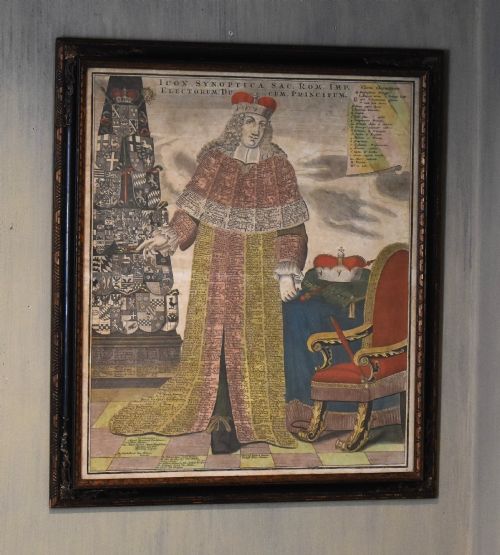


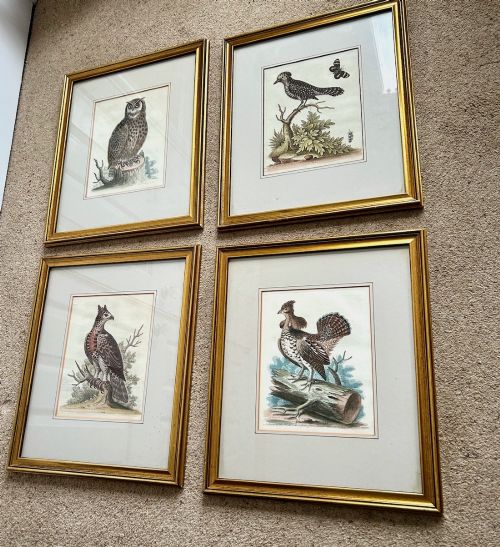


Coloured Copperplate Print
These coloured copperplate print works bring historical detail and original hand-tinted pigment onto paper.
Coloured Copperplate Print
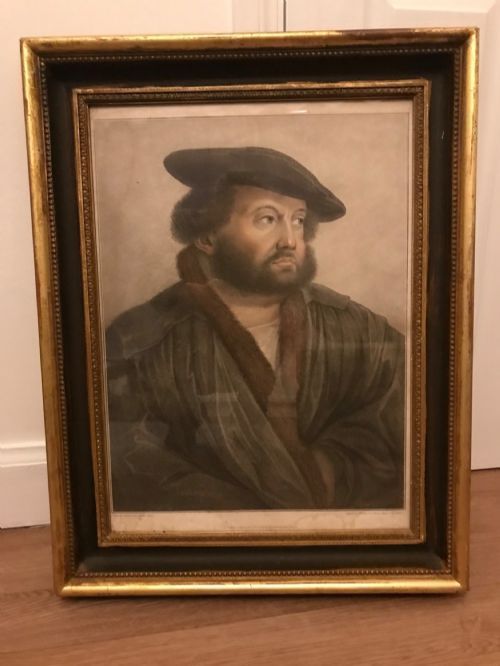
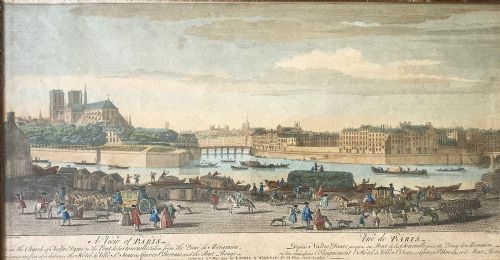
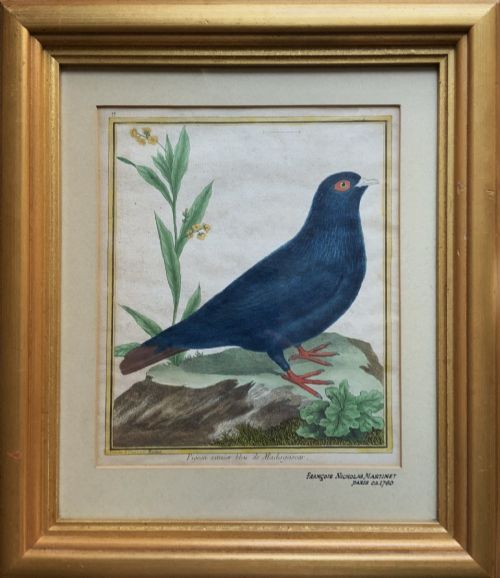
A coloured copperplate print typically takes the form of an engraved map, botanical study, or portrait produced across the seventeenth, eighteenth, and nineteenth centuries. You will frequently encounter framed cartographic plates and natural history subjects originating from British and European presses.
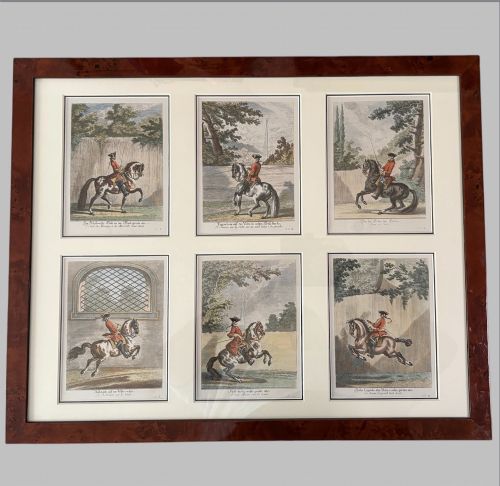
The material selection ranges from early paper sheets housed in burr wood veneer or gilt wood frames under glass, reflecting the framing choices of their respective eras. These works serve as decorative wall art or documentary records of topography and wildlife.
How these works were produced
Makers inscribed lines onto metal plates using burins or acid before taking impressions on paper using printing presses. Pigments or watercolours were then applied by hand to individual impressions to add colour to the ink lines.
Framing often involves period timber mouldings such as burr wood or gilt wood, paired with protective glass to shield the fragile paper from atmospheric damage.
Coloured Copperplate Print Retail Price Guide 2026
Typical asking prices for coloured copperplate print among the pieces listed under this phrase on Sellingantiques today, from the lower quarter to the upper quarter. They describe what is for sale here now, not the wider market.
Listings feature paper works spanning the seventeenth, eighteenth, and nineteenth centuries, alongside timber frames in gilt wood and burr wood veneer.
Distinctions in quality
The precision of the original engraving and the finesse of the subsequent hand-colouring determine the visual strength of an example. Crisp plate marks and cleanly struck lines indicate a superior impression.
The condition of the paper surface and the integrity of any original pigment application distinguish finer plates from standard decorative examples.
Joan Blaeu·Robert Morden·Emanuel Bowen·Francesco Bartolozzi
The Coloured Copperplate Print Glossary
- Copperplate
- An engraving technique where lines are cut into a copper sheet to hold ink for printing onto paper.
- Hand colouring
- The application of watercolours or pigments by hand to a printed image after it leaves the press.
- Cartography
- The science or practice of drawing maps, frequently seen in seventeenth and eighteenth century atlas plates.
- Stipple engraving
- A method of creating tonal values using dots rather than continuous lines.
- Plate mark
- The indentation left on paper by the edge of the metal printing plate during the press run.
Coloured Copperplate Print: Frequently Asked Questions
How should I hang these prints?
Keep framed pieces away from direct sunlight to prevent the paper from yellowing and the hand-applied watercolours from fading over time.
Ensure the room maintains a stable humidity level to protect both the antique paper and the wooden framing elements.
How do I identify the date?
Examine the paper stock, typography, and any cartographic or publishing details printed within the margin or cartouche. Stylistic indicators in the engraving provide further context for the period of production.
Reference makers and publishers listed in the imprint against known historical working dates.
Are these maps original?
The pieces shown date from historical periods, produced using traditional copperplate printing and hand-colouring methods appropriate to their eras.
Close inspection reveals genuine plate marks and paper characteristics consistent with historic printing practices.
What frames are used?
Many examples are presented in period-appropriate mouldings, including burr wood veneer and gilt wood frames.
Glazing is typically fitted to protect the delicate paper surface from dust and handling.