

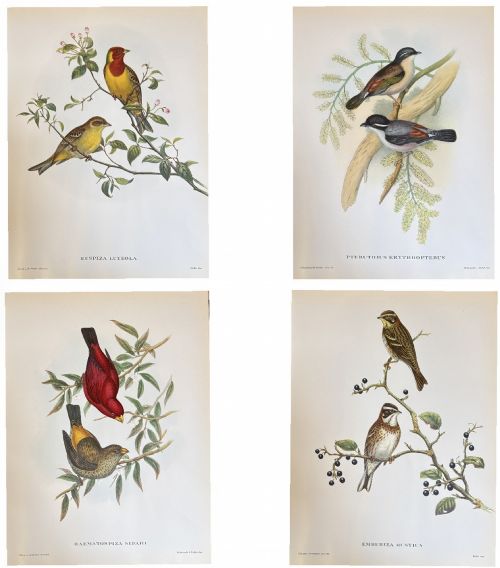
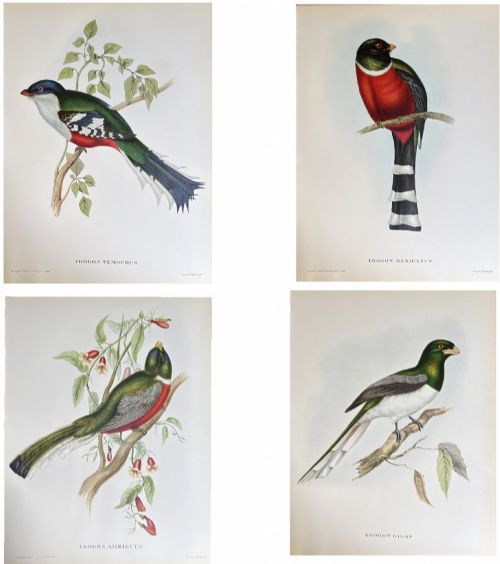
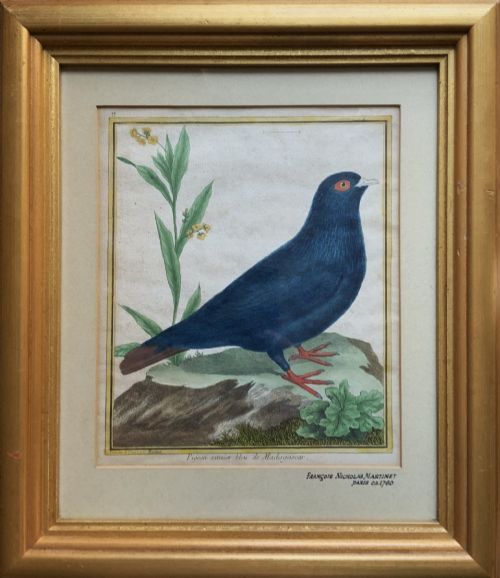
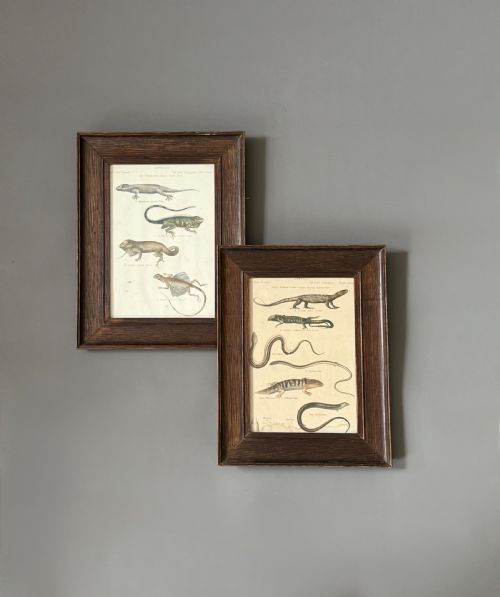




Coloured Bird Print
A coloured bird print brings the precision of natural history illustration and vivid pigment directly onto the wall.
Coloured Bird Print
A coloured bird print encompasses works from the eighteenth and nineteenth centuries, capturing avian subjects through engraved and lithographic plates. These pieces record ornithological study across various periods including the Georgian and Victorian eras, often presented as framed works or loose plates.
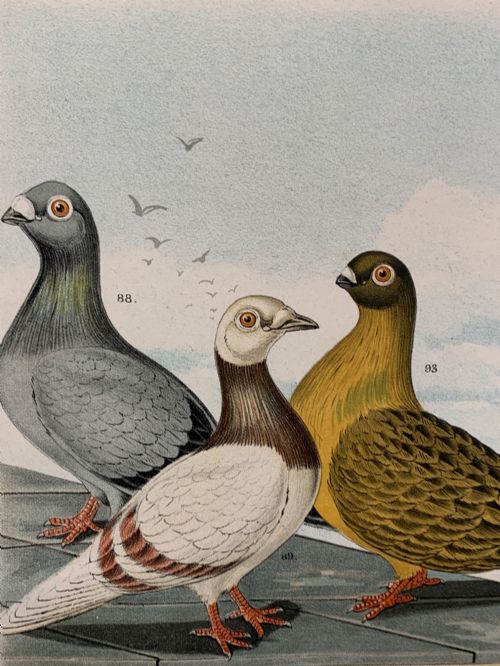
The selections available here range from mid-twentieth century tropical bird prints to eighteenth-century hand-coloured ornithological engravings. Buyers encounter individual plates alongside sets depicting pigeons, ducks, and exotic species like parakeets and tragopans.
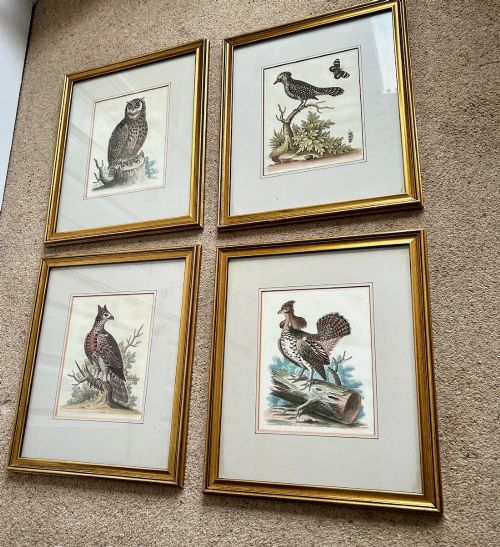
Originating as scientific records or folio illustrations, these prints suit domestic interiors seeking traditional natural history subjects. They appear in diverse formats, from simple paper sheets ready for framing to established framed pieces with wooden and gilt surrounds.
Materials and Methods
Production relies heavily on paper supports carrying ink lines laid down through engraving or lithography. Artisans then applied watercolour by hand to add colour to the printed outlines, creating the characteristic palette of early ornithological plates.
Framing materials in the record include wood, gilt wood, and gold leaf, often protected by glass to preserve the paper beneath. These protective surrounds reflect the domestic display methods common to nineteenth-century and earlier pieces.
Coloured Bird Print Retail Price Guide 2026
Typical asking prices for coloured bird print among the pieces listed under this phrase on Sellingantiques today, from the lower quarter to the upper quarter. They describe what is for sale here now, not the wider market.
Listings feature paper, glass, wood, ink, watercolour, and gold leaf, spanning the Georgian, Regency, and Victorian periods.
Evaluating Quality
Quality rests upon the precision of the initial engraving or lithographic line and the skill of the watercolour application. Plates that retain crisp detail in the plumage and subtle tonal gradations in the hand-colouring stand above simpler, heavier applications of pigment.
The integrity of the paper surface and the clarity of the printed image determine the desirability of a piece. Well-preserved sheets without heavy discolouration maintain the visual impact intended by the original natural history illustrators.
François-Nicolas Martinet·George Edwards·Eleazor Albin·William Swainson
The Coloured Bird Print Glossary
- Engraving
- A printmaking process where an artist cuts lines into a metal plate to hold ink. The resulting impression yields sharp, fine details ideal for scientific illustration.
- Lithography
- A planographic printing technique based on the antipathy of oil and water. This method allowed for accurate reproduction of tonal drawings and subsequent hand colouring.
- Hand-coloured
- A finished print enhanced with watercolours applied by hand after the printing process. This technique was standard for ornithological plates before industrial colour printing.
- Ornithological
- Pertaining to the branch of zoology that studies birds. In print terms, it describes detailed anatomical depictions intended for scientific or natural history publication.
Coloured Bird Print: Frequently Asked Questions
How do I date an old bird print?
Dating relies on paper characteristics, printing techniques, and typographical details found in the margins or publication text. Stylistic cues from the Georgian and Victorian periods also provide reliable indicators of age.
Examining the plate marks and ink types helps distinguish eighteenth-century engravings from later nineteenth-century lithographs and twentieth-century reproductions.
Are these prints original antique plates?
The inventory includes genuine period engravings and lithographs alongside mid-twentieth century print sets. Each listing specifies the production era and medium to clarify the age of the paper.
Reviewing the descriptive details ensures buyers identify whether a piece originates from an eighteenth-century folio or a later nineteenth-century natural history publication.
How should I frame and display them?
Protecting paper from direct sunlight prevents the watercolour pigments from fading over time. Utilising acid-free mounts and framing under glass safeguards the delicate surface.
Grouping sets together, such as series of ducks or tropical birds, echoes the original publication formats found in historical natural history volumes.
What is the difference between an engraving and a lithograph?
Engravings involve incising lines into a hard plate, producing sharp and precise outlines. Lithography uses a stone or metal surface to create softer tonal areas and broader strokes.
Both methods served as the foundation for hand-applied watercolours, though engravings typically offer a finer linear definition.