

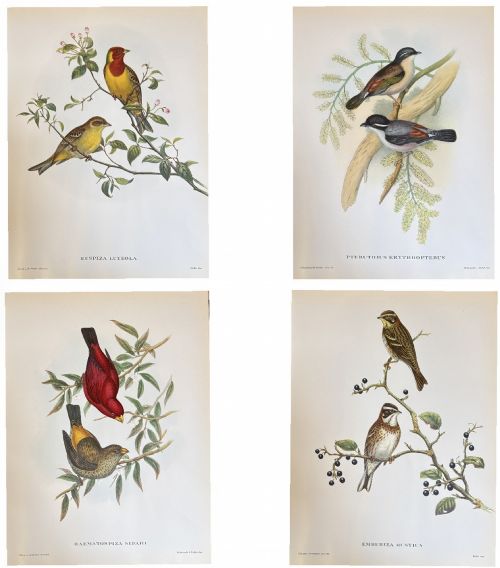
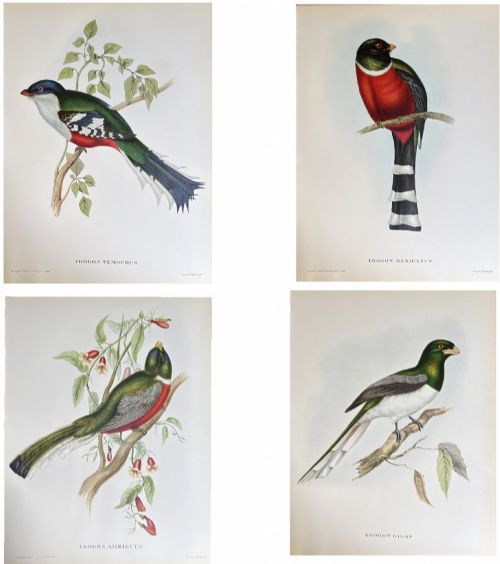

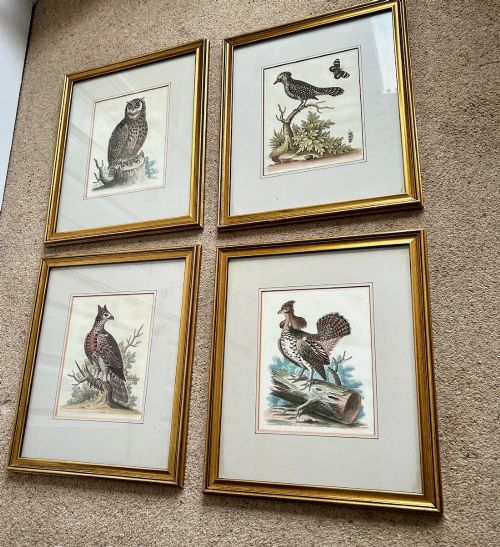


Coloured Bird Engraving
A coloured bird engraving brings the detailed study of ornithology directly to your wall through hand-applied pigments on early printed plates.
Coloured Bird Engraving
When you search for a coloured bird engraving, you encounter historic prints and lithographs produced across several centuries, capturing avian subjects with scientific precision and decorative appeal.
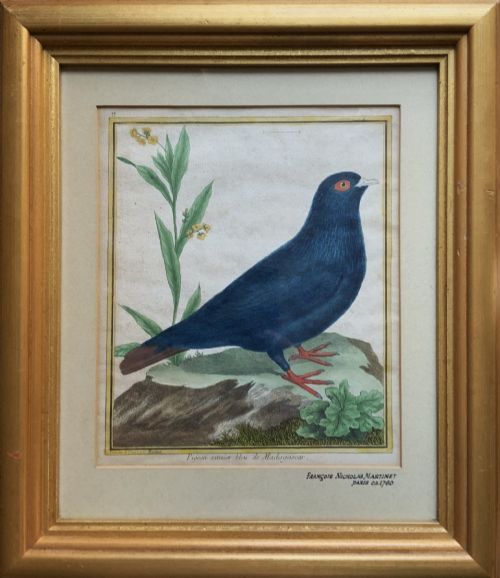
The selections available range from eighteenth-century works by George Edwards and François-Nicolas Martinet to nineteenth-century tropical bird prints and mid-twentieth-century editions.
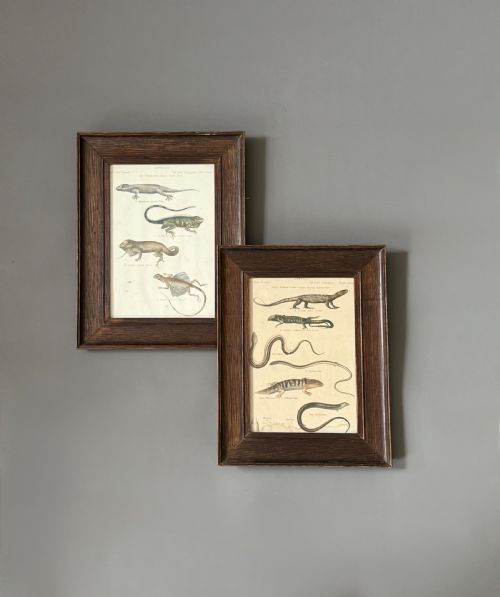
Many of these plates arrive framed in wood, gilt wood, or brass, while others remain unframed on paper ready for your own presentation.
How they were made
The foundation of each piece relies on an ink engraving or lithograph printed onto paper plates.
Makers applied watercolour by hand to bring naturalistic hues to the plumage and botanical surroundings of the subjects.
Coloured Bird Engraving Retail Price Guide 2026
Typical asking prices for coloured bird engraving among the pieces listed under this phrase on Sellingantiques today, from the lower quarter to the upper quarter. They describe what is for sale here now, not the wider market.
What varies in quality
Quality separates through the crispness of the original engraved lines and the precision of the hand-applied watercolour pigments.
The fidelity of the ornithological detail and the preservation of the paper over the centuries dictate the standing of each plate.
François Nicolas Martinet·George Edwards·Eleazor Albin·William Swainson
The Coloured Bird Engraving Glossary
- Engraving
- A printmaking method where an image is incised onto a metal plate with a sharp tool. This technique allows for exceptionally fine lines and detailed textures.
- Lithograph
- A planographic printing process using a flat stone or metal plate. Artists draw the design with a greasy medium to repel or accept ink.
- Ornithological
- Relating to the scientific study of birds. These historic plates served both scientific record and decorative purpose.
- Hand coloured
- The manual application of watercolours to a black and white printed base. This step enhances the visual realism of natural history illustrations.
Coloured Bird Engraving: Frequently Asked Questions
How should I frame an antique print?
Protect the paper from direct sunlight and moisture by using conservation-grade framing materials. Acid-free mounts prevent the paper from yellowing over time.
Keep the glass from touching the surface of the print to avoid trapping humidity against the ink and watercolour pigments.
Are these plates original period pieces?
The selections span multiple eras, including eighteenth-century works, nineteenth-century natural history prints, and mid-twentieth-century editions. Each listing records the specific period of production.
Examine the paper texture and printing technique to understand the age and origin of the individual plate.
Can I hang these prints in bright rooms?
Direct sunlight causes watercolour pigments and paper fibres to fade permanently. Position your framed prints away from windows that receive intense daily light.
Using UV-protective glazing helps shield the delicate hand-coloured details from environmental damage.
How do I identify different artists?
Signatures, publication dates, and stylistic conventions often appear in the margins beneath the image. Reference books and period catalogues help match plates to known naturalists.
Subject matter and the specific rendering of plumage provide strong clues to the workshop or publisher.