



Colonial Wooden Figure
A colonial wooden figure is a carved devotional or decorative sculpture originating from trade or empire, sought after for its rich history and material depth.
Colonial Wooden Figure
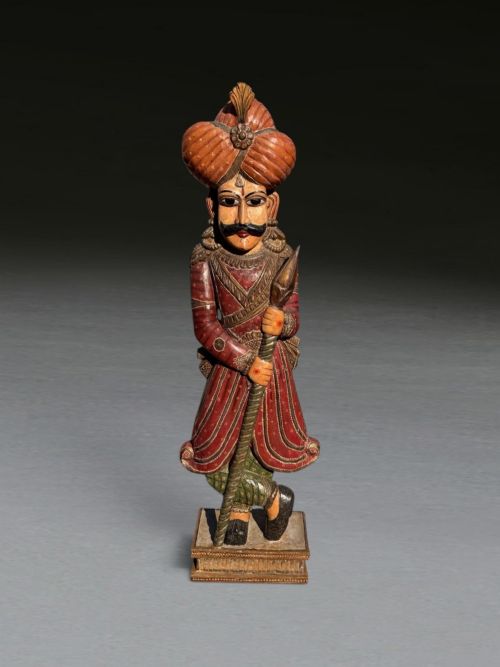
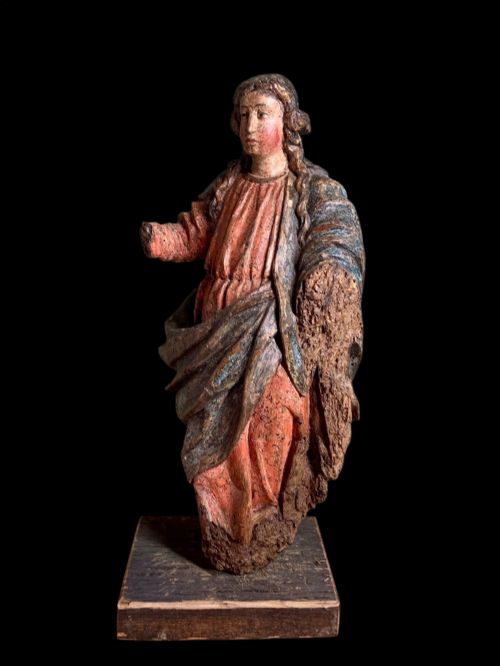
A colonial wooden figure spans religious works and secular studies, encompassing saints, soldiers, and elephants found under this search phrase. You will frequently encounter representations of religious devotion alongside Raj period animal sculptures.
The objects derive from various traditions, including Spanish Baroque religious art and Anglo-Indian colonial workshops. These pieces bridge European iconography and overseas craftsmanship from the seventeenth century onwards.
Formats range from life-size church figures and busts to pairs of bookends and small animal studies. Each category reflects the domestic or ecclesiastical environment for which it was originally commissioned.
Materials and construction
Carvers utilised dense timbers such as teak, ebony, walnut, coromandel, and general hardwood. These durable materials allowed for intricate detailing in both animal studies and human forms.
Many surfaces feature gesso, polychrome paint, pigment, or gilding applied over the carved wood. This polychromy ranges from European saintly vestments to the natural grain of unpainted ebony and teak.
Colonial Wooden Figure Retail Price Guide 2026
Typical asking prices for colonial wooden figure among the pieces listed under this phrase on Sellingantiques today, from the lower quarter to the upper quarter. They describe what is for sale here now, not the wider market.
The documented periods span from the seventeenth century through the Victorian era up to the nineteen-twenties.
Distinctions in quality
Depth of carving and anatomical precision separate standard pieces from superior examples. Master carvers captured movement in elephants and expression in human faces with notable clarity.
The preservation of original surface finishes, whether polychrome pigment or polished hardwood, determines the integrity of the object. Intact gilding and layered paint enhance historical value.
The Colonial Wooden Figure Glossary
- Polychrome
- Decorated in a variety of colours. This term describes wooden sculptures painted with pigments, often over a gesso ground.
- Capipote
- A Spanish devotional figure with a carved wooden head and hands attached to a framework dressed in real textiles. These sculptures were often utilised in religious processions.
- Corpus Christi
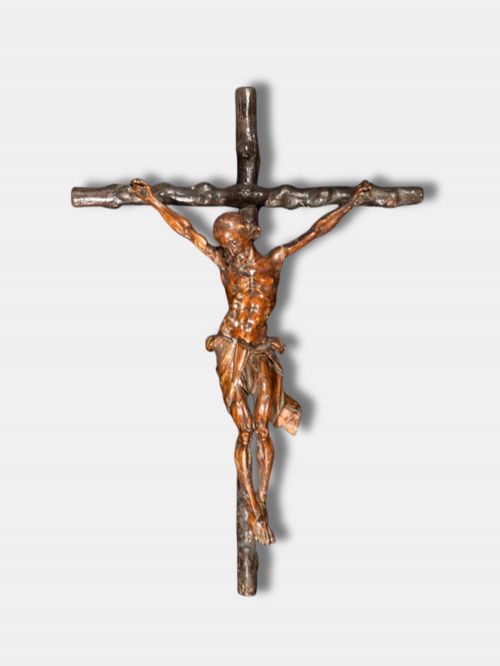
- An image of Christ on the cross. These wooden carvings focus on the anatomical details of the crucifixion.
- Raj period
- Relating to the British rule in the Indian subcontinent. Pieces from this era frequently depict local wildlife, such as elephants, or figures like Indian soldiers.
Colonial Wooden Figure: Frequently Asked Questions
What is a colonial wooden figure?
A colonial wooden figure is a carved sculpture created during periods of empire and global trade, spanning religious art and secular decorative items.
They reflect the artistic crossover between European makers and overseas workshops, using local timbers and traditional iconography.
How were these figures used?
Religious sculptures served in churches and domestic shrines for private devotion or public processions. Secular figures, such as elephants and bookends, functioned as decorative ornaments and library accessories in homes.
Religious pieces often depicted saints or biblical scenes, while Raj period items celebrated local fauna and figures.
How do I care for wooden figures?
Keep wooden sculptures away from direct sunlight and sudden temperature changes to prevent the timber from splitting. Dust them gently with a dry, soft cloth.
Avoid using harsh cleaning products, particularly on pieces with polychrome paint, gesso, or gilding.
How can I tell the period?
Dating relies on the style of the carving, the choice of timber, and the treatment of the surface materials. Seventeenth and eighteenth-century pieces often lean towards European Baroque or Spanish devotional themes.
Later nineteenth and twentieth-century examples frequently include Anglo-Indian hardwood animal studies and bookends.