




Colonial Teak Chairs
Colonial teak chairs bring enduring utility and robust craftsmanship into the home, offering deep comfort alongside striking regional character.
Colonial Teak Chairs
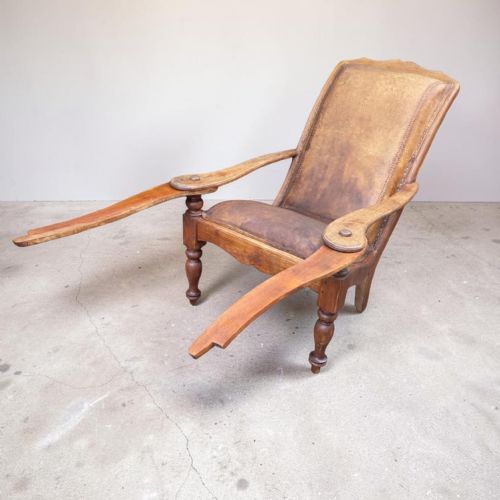
Colonial teak chairs encompass a broad selection of seating, ranging from reclining plantation chairs with extending arms to dining chairs, armchairs, and folding campaign designs. These pieces frequently emerge from the nineteenth century and the early decades of the twentieth century, reflecting Anglo-Indian, British Colonial, and Anglo-Burmese traditions.
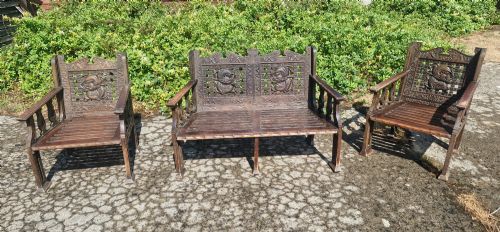
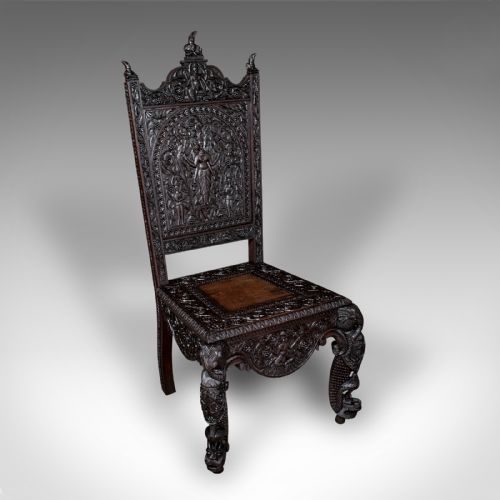
Buyers encounter various forms on this page, including monumental planter's chairs, conservatory suites, and carved elbow chairs. Originating across different regions, these items combine solid timber frames with supportive seating surfaces suited to warm climates.
The selection includes matched pairs and larger suites alongside singular statement seating, displaying styles that span from William IV periods through to Art Deco designs. Each piece reveals the distinct vernacular of its workshop origin while maintaining a sturdy framework.
Materials and Construction
Makers utilised dense teak and related hardwoods to build resilient frames capable of withstanding humid environments. This dense timber provides the structural integrity necessary for large planter's chairs and heavy carved side chairs.
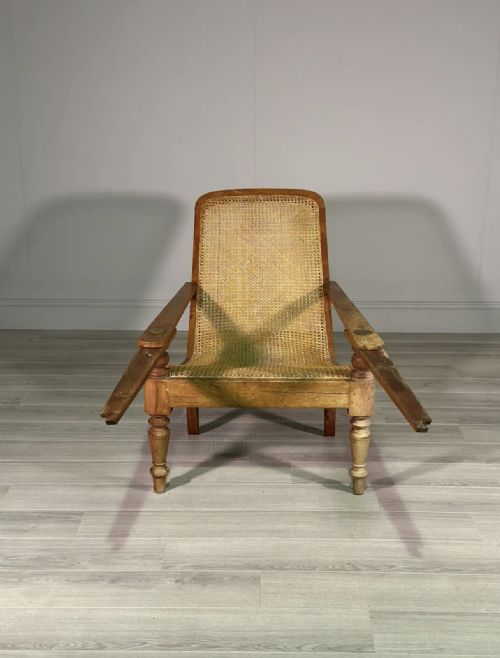
Seating surfaces and backing panels frequently incorporate woven cane, rush, or rattan, allowing for ventilation in warm interiors. Artisans also integrated supple leather upholstery, brass fittings, and occasional bone inlay to finish the detailed framework.
Carving techniques appear across many surfaces, displaying elaborate floral or geometric motifs executed by regional craftsmen. Folding mechanisms and extending armrests demonstrate sophisticated joinery designed for practical adaptability.
Some plantation chairs include pull-out arm rests long enough to double as impromptu nap extensions for weary colonial officers.
Assessing Quality
The distinction between tiers rests upon the depth and crispness of the hand-carved ornamentation across the teak frame. Superior examples display sharply defined motifs without the softness or shallow execution seen in simpler workshop production.
Integrity of construction and the preservation of original materials heavily influence the standing of a piece. Original woven cane, intact leather, and functioning extending arms or folding mechanisms elevate the standard of the seating.
Proportion and scale also dictate distinction, particularly in monumental plantation chairs where balanced proportions ensure both visual presence and physical comfort.
The Colonial Teak Chairs Glossary
- Planter's chair
- A form of seating featuring extended arms designed for resting the legs, created to maximise comfort in tropical climates. These chairs often incorporate reclining backs and sturdy teak construction.
- Cane
- Woven material derived from rattan palm, utilised in seat panels and backs to provide breathable support. It requires skilled hand-weaving to maintain tension across the frame.
- Savonarola chair
- A folding armchair constructed from intersecting curved wooden slats, named after the famous fifteenth-century Florentine friar. This portable X-frame design appears within nineteenth-century Indian interpretations.
- Campaign chair
- Portable furniture designed for easy dismantling or folding, originally utilised by military officers on the move. These pieces prioritise robust hinges and clever engineering alongside dense hardwoods.
Colonial Teak Chairs: Frequently Asked Questions
How do I use a plantation chair?
Plantation chairs are designed for lounging, featuring extending arms that double as footrests for reclined sitting. They suit spacious reception rooms, studies, or conservatories where you can stretch out.
Position the chair away from direct heat sources to protect the dense teak timber and any cane or leather elements from drying out over time.
Can I use these chairs for daily dining?
Dining chairs and side chairs within this selection offer sturdy upright seating suited for regular daily use around a table. Check the seat height and depth to ensure comfort for your specific dining setup.
Many of these chairs feature solid hardwood frames that handle everyday wear with ease, provided the joints remain stable and secure.
How do I care for cane and teak furniture?
Dust teak frames regularly with a dry cloth and occasionally nourish the hardwood with a suitable oil to maintain its natural lustre. Avoid placing the furniture in direct sunlight or overly dry indoor environments.
Keep cane seats clean by gently brushing away debris and occasionally dampening the underside with a sponge to maintain the natural elasticity of the rattan.
How do I identify Anglo-Indian styles?
Anglo-Indian pieces combine traditional British furniture forms with intricate local carving traditions and regional timber selection. Look for deep relief floral motifs, dense teak frames, and specialised seating forms like planter's chairs.
Stylistic markers often bridge European periods, such as William IV or Art Deco, with South Asian or Burmese craftsmanship.