




Colonial Style Furniture
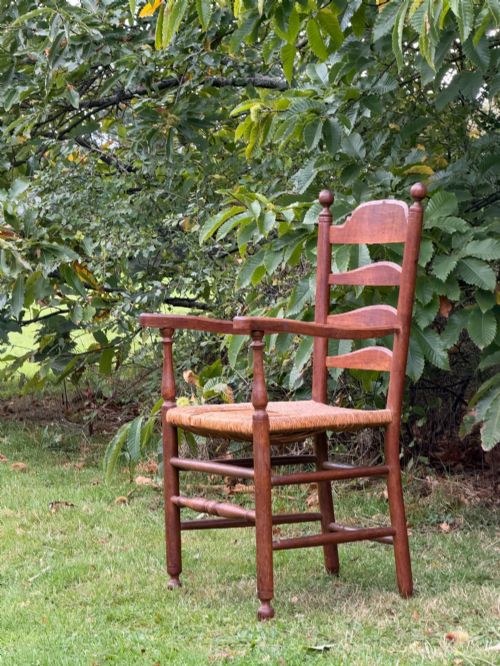
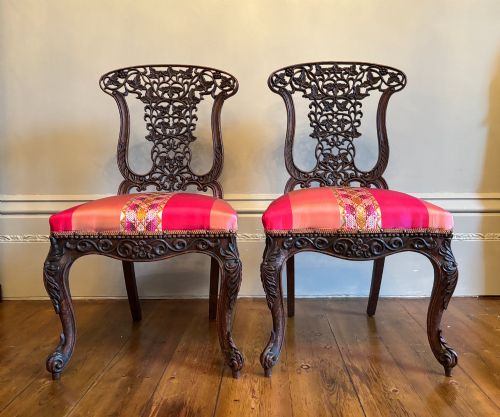
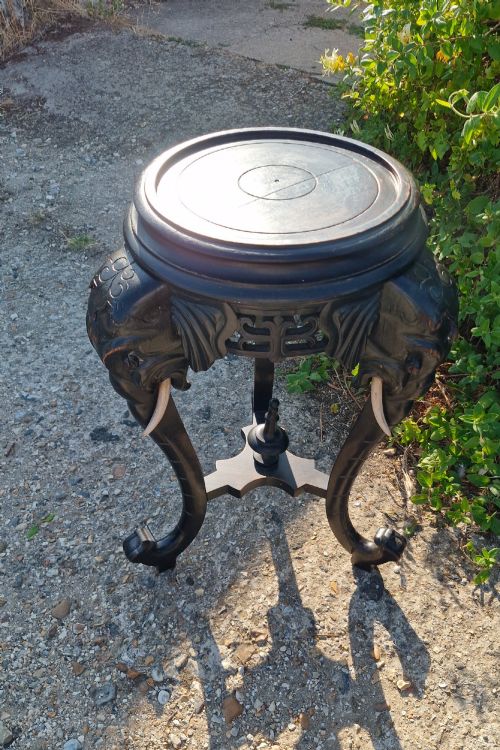
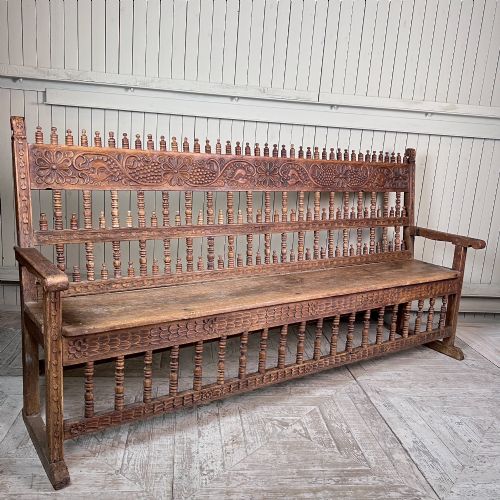
Colonial style furniture brings together robust imported forms and exotic dense timbers, offering rich character and historical depth to a room.
Colonial Style Furniture
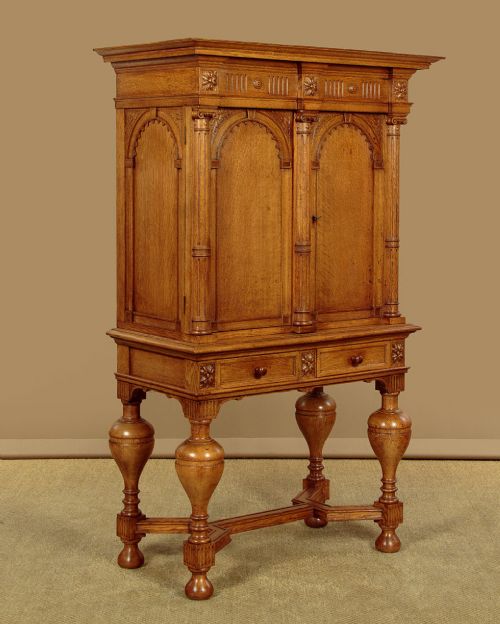
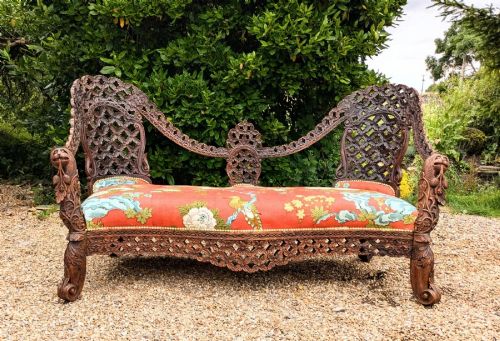
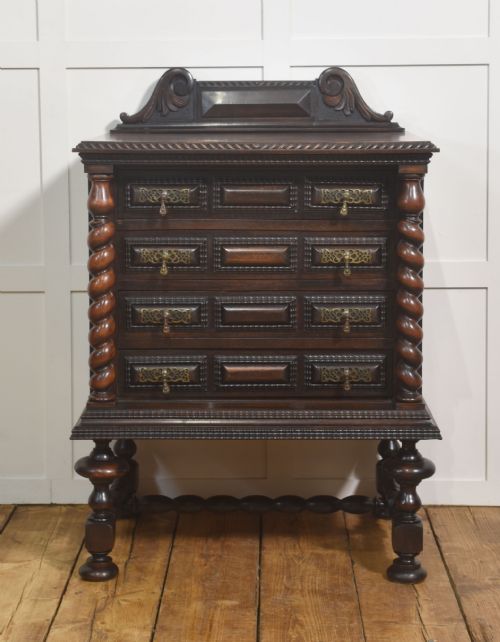
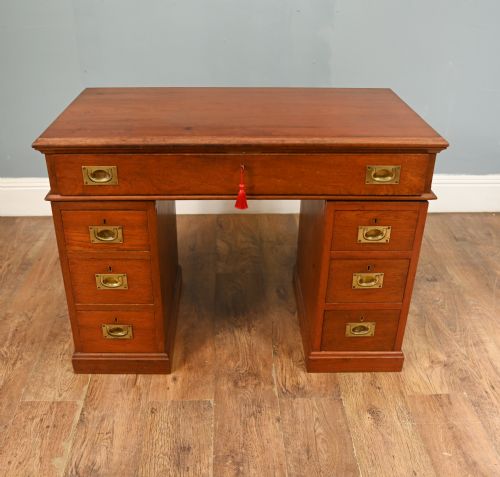
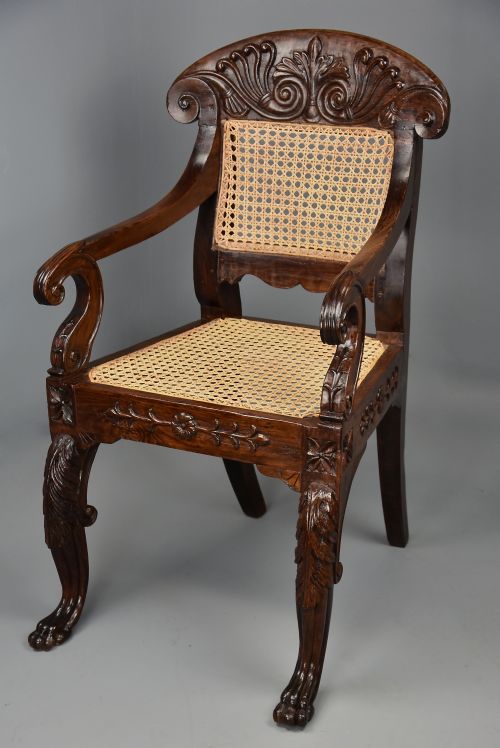
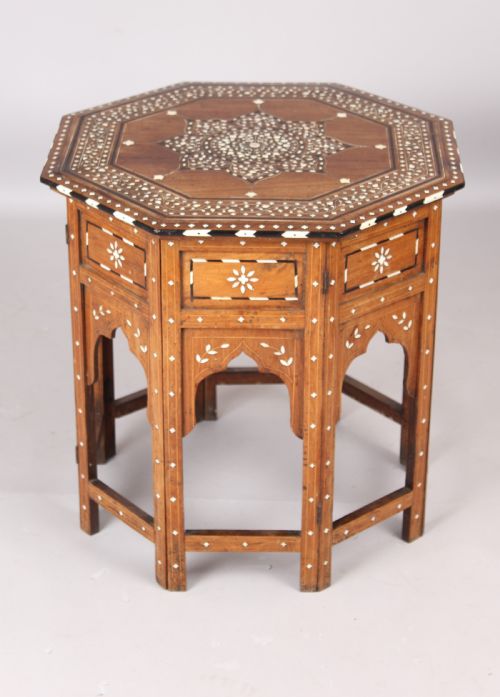
Colonial style furniture encompasses items produced under European influence in overseas territories, ranging from seating and storage to display pieces. When exploring colonial style furniture, buyers frequently encounter pieces originating from Indian, African, and Southeast Asian workshops.
The inventory on this page draws heavily from the nineteenth century, featuring specific regional manifestations such as Anglo-Indian, Portuguese Colonial, and Spanish Colonial designs. Common forms include side tables, armchairs, benches, chests of drawers, and cabinets on stands.
Makers adapted European furniture fashions to suit local climates and available materials, resulting in distinctive hybrid objects. These pieces often combine traditional British or Dutch silhouettes with intricate native carving and construction techniques.
Assessing quality
The standard of carving and the selection of timber dictate the upper tiers of this category. Superior examples display crisp, deep relief work and expertly matched exotic wood grains rather than repetitive or superficial ornamentation.
Original surface patination and structural integrity separate exceptional survivors from heavily restored or later interpreted pieces. The finesse of secondary woods and the quality of brass mounts further indicate the workshop's original standing.
Colonial Style Furniture Retail Price Guide 2026
Typical asking prices for colonial style furniture among the pieces listed under this phrase on Sellingantiques today, from the lower quarter to the upper quarter. They describe what is for sale here now, not the wider market.
Listings span multiple periods from the eighteenth to the twentieth centuries, showcasing regional styles like Spanish Colonial, Portuguese Colonial, and Anglo-Indian.
The Colonial Style Furniture Glossary
- Anglo-Indian
- Furniture made in India by local artisans, often following British domestic forms while incorporating regional carving and indigenous timbers. This style reflects the aesthetic exchange between British patrons and Indian craftsmen during the colonial period.
- Padauk
- A heavy, durable reddish-brown tropical hardwood frequently utilised in nineteenth-century colonial cabinet-making. It darkens gracefully with age and takes a fine polished finish.
- Cane
- Woven rattan material used for seat panels and backrests to provide cool ventilation in tropical climates. It requires skilled manual labour to thread through drilled holes in the wooden frame.
- Campaign furniture
- Portable pieces designed for military officers on the move, featuring removable legs, brass corners, and folding mechanisms. These items prioritised strength and compactness.
- Stinkwood
- A highly prized South African hardwood known for its distinct aroma when freshly cut and its rich, warm lustre. It was used by early colonial makers for substantial seating and storage furniture.
Colonial Style Furniture: Frequently Asked Questions
What is colonial style furniture?
Colonial style furniture refers to pieces made in European colonies by local artisans who adapted metropolitan designs to suit regional materials and climates. These items reflect a fusion of European forms with indigenous woodworking traditions.
Such furniture often employs dense tropical hardwoods like teak, rosewood, and ebony, frequently decorated with intricate hand-carving or fitted with cane panels for ventilation.
How do I date these pieces?
Dating relies on examining the secondary timbers, construction methods, hardware, and stylistic influences present in the piece. Nineteenth-century examples often combine Regency or Victorian silhouettes with local decorative motifs.
Comparing the joinery and finish with documented regional pieces helps narrow down the period of manufacture, as many provincial workshops continued traditional methods for decades.
Where were these items made?
These furnishings originated in various global territories under European rule, including the Indian subcontinent, Southeast Asia, South Africa, and the Caribbean. Each region developed distinct characteristics based on available timbers and local carving skills.
For example, pieces from Ceylon and Bombay often feature dense ebony or padauk with elaborate floral carving, while South African items frequently utilise native stinkwood.
How do I care for tropical hardwoods?
Tropical hardwoods benefit from stable indoor humidity levels and protection from direct sunlight to prevent timber movement or cracking. Regular dusting with a soft, dry cloth maintains the surface without the need for heavy chemical polishes.
Conditioning the wood occasionally with appropriate natural wax helps preserve the rich patination built up over generations of use.