



Colonial Rosewood Seating
Colonial rosewood seating brings dense grain and deep carving to British interiors, offering enduring strength and distinct regional style.
Colonial Rosewood Seating
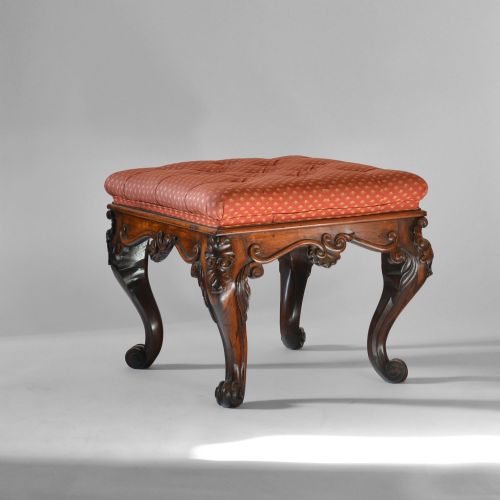
Colonial rosewood seating spans practical furniture forms created during the 18th century, 19th century, and Victorian periods, drawing on Anglo-Indian, Regency, and Anglo-Indian Colonial styles. Buyers encountering this phrase find functional seating that includes dining chairs, armchairs, side chairs, stools, footstools and ottomans, benches, settee and armchair suites, and chaise longues.
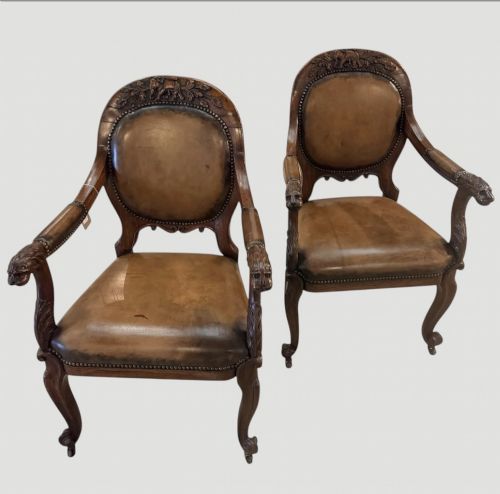
The objects most frequently met on this page are armchairs, side chairs, and stools originating from India. These pieces combine British furniture proportions with local craftsmanship, often featuring carved woodwork and alternative seating surfaces like cane.
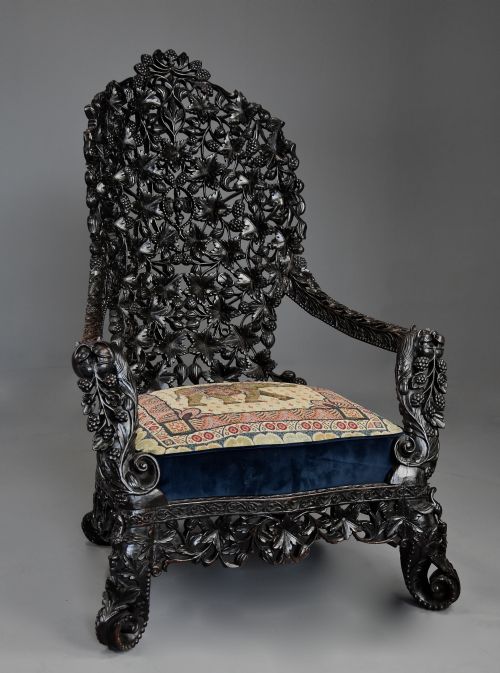
Makers and workshops blended European forms with Indian decorative traditions, producing distinct types such as scroll back benches and library or side chairs. The range encompasses both single items and matched pairs or sets designed for formal or domestic rooms.
Materials and construction methods
Makers utilised dense timbers including rosewood, solid Rio rosewood, padauk wood, blackwood, and general hardwood. These materials provided the structural weight necessary for deep carving and durable frames.
Seating surfaces and supports incorporated cane alongside traditional upholstery materials such as fabric, velvet, tapestry, and leather. Frame construction relied on sturdy joinery to support heavy carved elements and scrolled back designs.
Colonial Rosewood Seating Retail Price Guide 2026
Typical asking prices for colonial rosewood seating among the pieces listed under this phrase on Sellingantiques today, from the lower quarter to the upper quarter. They describe what is for sale here now, not the wider market.
Some elbow chairs arrive with such heavy carving that sitting down feels less like resting and more like ascending a throne.
Assessing quality in carved seating
Quality separates pieces through the crispness of the carving and the selection of timber. Dense grain and deeply cut decoration reflect superior execution by the workshop.
The integrity of the frame and the retention of original materials such as cane seating or specific hardwoods distinguish finer examples. Proportion and balance between British architectural forms and Indian decorative carving dictate the standing of a piece.
The Colonial Rosewood Seating Glossary
- Anglo-Indian
- A style describing furniture made in India by local craftsmen for British residents, combining European forms with Indian decorative carving. This fusion creates distinct seating types.
- Rio Rosewood
- A dense, heavily figured timber native to South America that was frequently imported and utilised for high-status colonial furniture. Its distinct dark grain makes it readily identifiable.
- Caned
- A seating method utilising woven rattan or cane panels stretched across chair frames. This technique provides a resilient and breathable surface suitable for warmer climates.
- Scroll Back
- A chair or bench backrest design featuring an outward or inward curved scroll at the crest. This stylistic flourish appears frequently on 19th-century seating.
Colonial Rosewood Seating: Frequently Asked Questions
What periods do these chairs come from?
The pieces span the 18th century, the 19th century, and the Victorian era, with specific examples dated around 1830, 1840, 1850, 1860, and 1900.
These dates reflect a broad timeframe of production under British influence in India, encompassing Georgian influences and later Victorian styles.
How were these seats used historically?
Colonial seating served functional roles in residences, libraries, and halls across India and Britain. Pieces ranged from single library chairs and side chairs to complete settee and armchair suites.
Different forms suited specific domestic spaces, from dining chairs gathered around tables to chaise longues and ottomans designed for resting.
What woods are typically found in this furniture?
Construction relies heavily on rosewood, solid Rio rosewood, blackwood, padauk wood, and general hardwood. These dense timbers supported intricate hand-carved ornamentation.
The choice of dense wood ensured the structural stability required for heavy carving and long-term daily use.
How do you identify an Anglo-Indian piece?
Anglo-Indian seating is recognised by the combination of familiar British furniture silhouettes, such as Regency or scroll back designs, paired with elaborate Indian wood carving. Materials like cane seating and local hardwoods further define the origin.
These characteristics show an intersection of European furniture design with the expertise of Indian workshops.