



Colonial Furniture Sofa
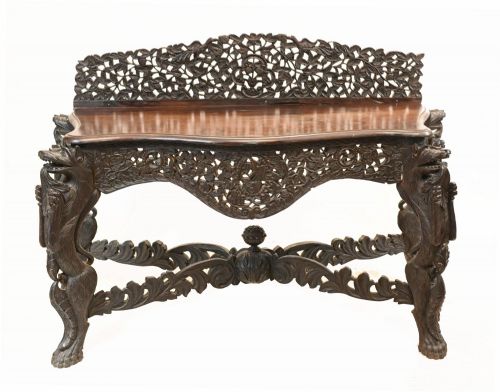
Colonial furniture sofa pieces bring robust exotic timbers and intricate regional carving into domestic interiors with striking distinction.
Colonial Furniture Sofa
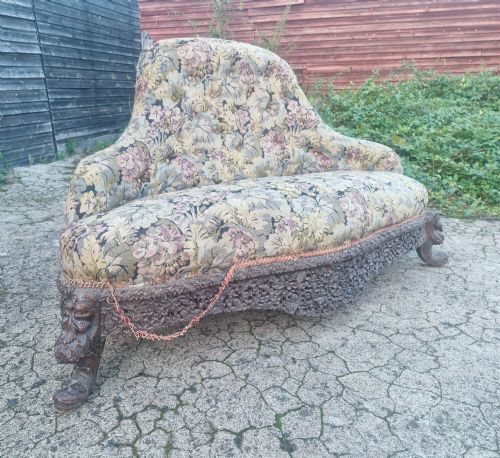
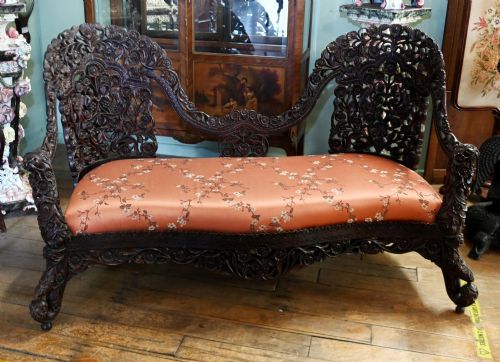
When searching for colonial furniture sofa items, buyers encounter seating rooted primarily in the nineteenth century, including the Victorian period. These pieces originate from regional traditions such as Anglo-Indian, Anglo-Burmese, and Ceylonese workshops.
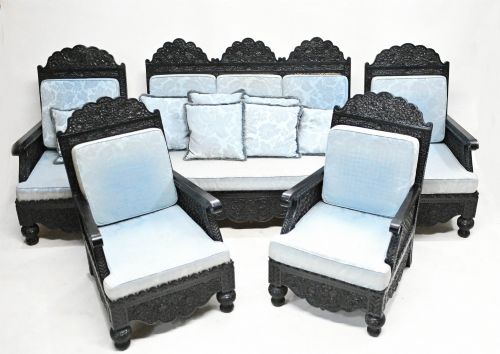
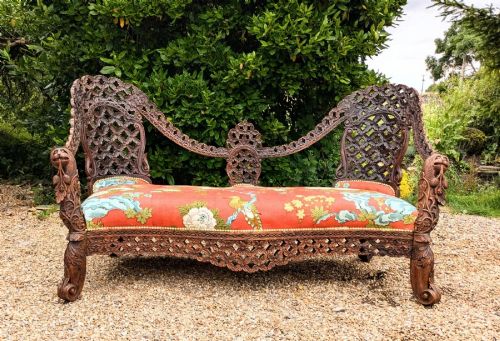
The selections span distinct seating forms including standard sofas, settees, scroll back benches, and chaise longues. Many pieces integrate cane seating alongside traditional upholstery and carved frames.
How these pieces were made
Craftsmen utilised dense tropical timbers such as teak, padouk wood, ebony, and solid Rio rosewood to construct these substantial frames. These heavy hardwoods permitted deep, intricate relief carving across structural elements and scroll backs.
Seating surfaces frequently combined traditional textile upholstery with intricate cane work woven directly into the wooden framework. This combination of heavy timber and lighter woven cane provided both durability and ventilation in warmer climates.
Colonial Furniture Sofa Retail Price Guide 2026
Typical asking prices for colonial furniture sofa among the pieces listed under this phrase on Sellingantiques today, from the lower quarter to the upper quarter. They describe what is for sale here now, not the wider market.
What varies in quality
Quality rests significantly upon the crispness and depth of the hand carving executed across the hardwood frame. Superior examples display sharply defined motifs and balanced symmetry without softening of the detail.
The choice and treatment of timber also dictate overall standard, with rich grain preservation in solid rosewood or padouk elevating the piece. Furthermore, the integrity of original cane work and joinery distinguishes finer survivals.
The Colonial Furniture Sofa Glossary
- Anglo-Indian
- A descriptive term for furniture made in India during the British period, combining British forms with local craftsmanship and materials. These items often feature dense carving and exotic hardwoods.
- Cane
- Woven rattan material utilised for seat panels and backs to provide a flexible and cool surface. This technique requires skilled hand weaving around a drilled wooden frame.
- Padouk
- A heavy, durable tropical hardwood with a reddish hue favoured in nineteenth-century cabinet making. It takes a fine finish and supports intricate carved detail.
- Scroll Back
- A chair or sofa back design curving outwards at the top rail in a volute or scroll shape. This Regency-influenced style appears frequently on nineteenth-century benches and settees.
Colonial Furniture Sofa: Frequently Asked Questions
What is a colonial furniture sofa?
A colonial furniture sofa typically refers to nineteenth-century seating produced in regions under British influence, such as India, Burma, and Ceylon. These pieces merge European furniture forms with local tropical hardwoods and indigenous carving techniques.
They serve as focal points in period or eclectic interiors, combining heavy timber construction with decorative elements like cane panels and scroll backs.
How do I identify a nineteenth-century piece?
Nineteenth-century attribution relies on timber selection, construction methods, and stylistic markers associated with the Victorian era and Regency traditions. Solid exotic woods like rosewood and padouk were standard during this period.
Hand-carved details and traditional joinery further separate authentic nineteenth-century examples from later reproductions or modern interpretations.
How do I care for rosewood furniture?
Caring for dense tropical hardwoods involves maintaining stable indoor humidity levels and keeping pieces away from direct heat sources. Regular dusting with a soft, dry cloth preserves the natural lustre of the timber.
Harsh chemical polishes should be avoided in favour of traditional beeswax applied sparingly to nourish the grain of the rosewood or padouk.
Where were these sofas made?
These seating pieces were manufactured in workshops across the Indian subcontinent and Southeast Asia during the nineteenth century. Production centres included locations in India, Burma, and Ceylon under colonial administration.
Local artisans combined traditional European blueprint designs with indigenous carving skills and native hardwoods to create these distinctive regional items.