






Colonial Carved Stool
A colonial carved stool brings dense regional timber and deep hand-relief into a room.
Colonial Carved Stool
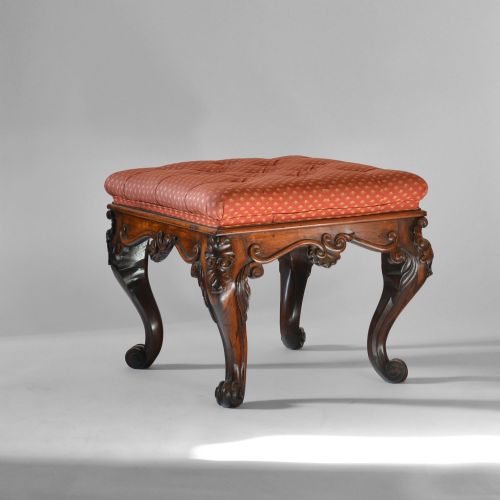
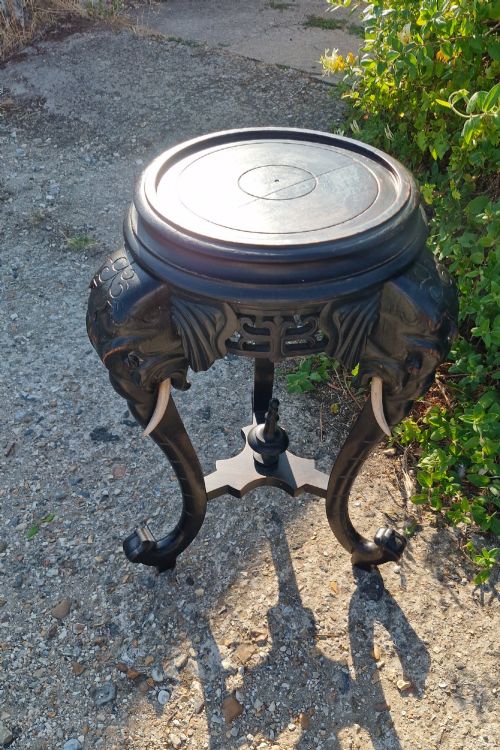
A colonial carved stool represents dense regional timberwork shaped by cross-cultural design during the nineteenth century. These pieces appear in forms ranging from low footstools to large ottomans, frequently incorporating figural elements such as elephants alongside traditional foliage.
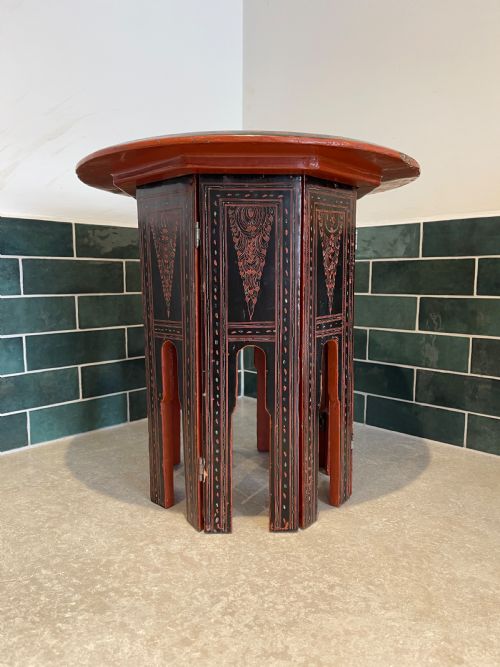
Anglo-Indian and Anglo-Burmese examples dominate the selections, alongside Batavian Baroque pieces. Buyers encounter various seating heights and formats, including window seats and hall benches built for specific colonial interiors.
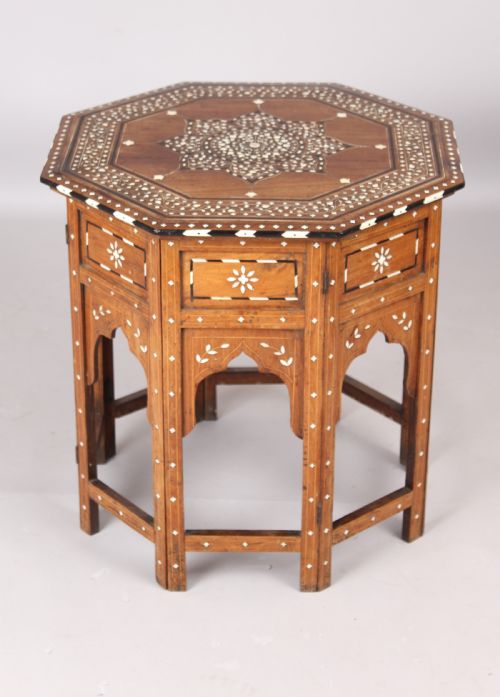
The materials span heavy tropical hardwoods adorned with intricate surface work, occasionally supplemented by bone inlay or painted wooden tusks. These items serve as functional seating or occasional tables within domestic spaces.
How they were made
Artisans utilised robust regional timbers such as teak, rosewood, and sandalwood to construct the frames of each colonial carved stool. These dense hardwoods provided a stable base for deep, continuous chisel work across the surface.
Carvers applied manual relief techniques to render complex floral motifs, geometric patterns, and animal figures directly into the solid wood. Select examples incorporate bone inlay or woven rattan details integrated into the primary wooden structure.
Listings feature items from the nineteenth century, including specific dates such as eighteen-eighty, eighteen-ninety, and nineteen-hundred, alongside Victorian period pieces.
What varies in quality
The depth and clarity of the chisel work distinguish finer examples from simpler production. Superior carving displays sharp relief and well-defined proportions within the figural and foliar motifs.
The selection of timber impacts the overall character, with dense rosewood and teak exhibiting superior grain density. The integration of secondary materials, such as precise bone inlay or structural rattan work, further differentiates individual pieces.
The Colonial Carved Stool Glossary
- Anglo-Indian
- A designation for items produced in India under British rule, combining local craftsmanship with European furniture forms. These pieces often feature dense overall carving and exotic hardwoods.
- Batavian Baroque
- A stylistic category originating from Batavia, reflecting European Baroque influence adapted by local artisans in the Dutch East Indies. It combines heavy proportions with elaborate ornamentation.
- Hoshiarpur
- A town in Punjab known for intricate woodwork involving delicate bone or brass inlay set into shisham or sandalwood. Pieces from this centre display dense geometric and floral patterns.
- Ottoman
- A low, upholstered or cushioned seat without arms or a back, frequently utilised as a coffee table or footrest in nineteenth-century interiors. In colonial contexts, these frames received heavy wood carving.
Colonial Carved Stool: Frequently Asked Questions
What woods were used for a colonial carved stool?
Makers relied on dense tropical timbers such as teak, rosewood, and sandalwood for these pieces.
These durable hardwoods supported extensive surface carving without losing structural integrity.
How do I date a nineteenth-century stool?
Dating relies on stylistic markers, construction joints, and recorded periods between eighteen-eighty and nineteen-hundred.
Changes in carving depth and regional influence help narrow the production era.
Where were these pieces originally made?
Workshops operated across various colonial territories, notably in British India and Burma.
Local artisans adapted indigenous woodworking traditions to suit European domestic requirements.
How should I clean a carved wooden surface?
Maintenance requires dry dusting with a soft brush to protect intricate recesses in the wood.
Avoid liquid cleaners that might damage exposed grain or delicate bone inlay.