


Colonial Art
Colonial art encompasses paintings, sculptures and devotional objects originating from administrative and territorial expansions from the seventeenth century onwards.
Colonial Art
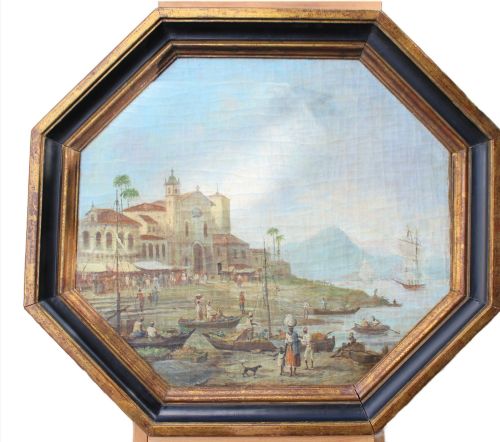
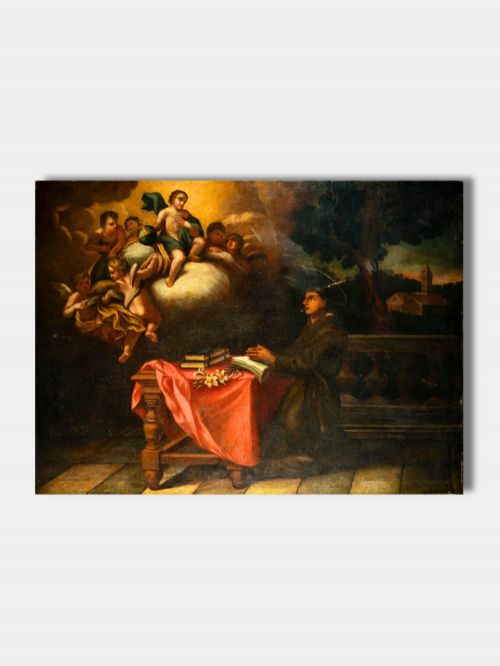
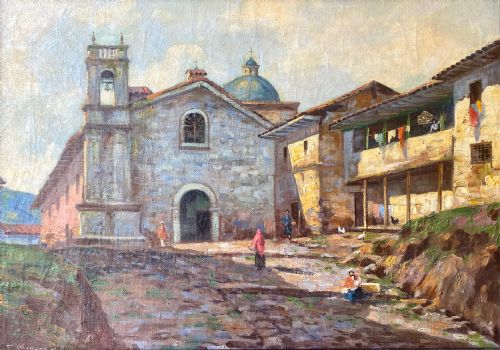
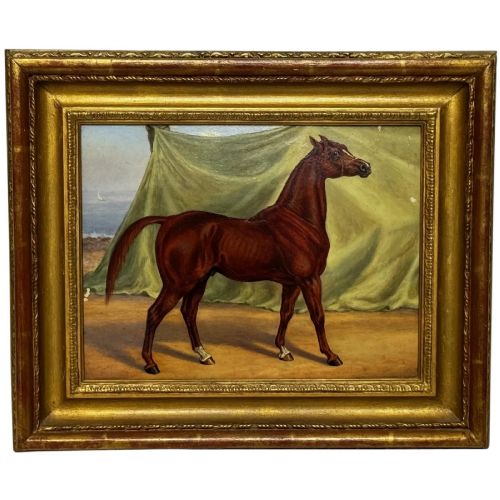
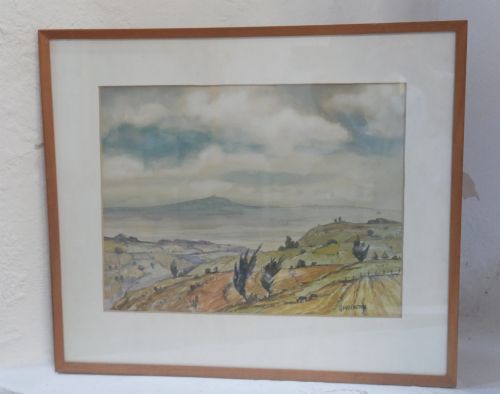
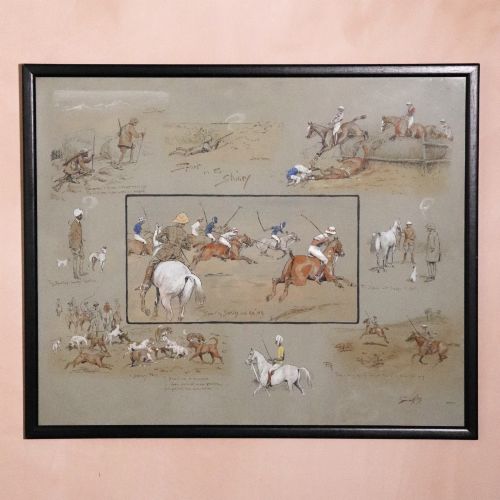
Colonial art spans a diverse range of visual culture created under imperial rule, featuring oil paintings, watercolours, and carved wooden religious figures. These pieces originate from regions influenced by Spanish, British and other European presences across the globe.
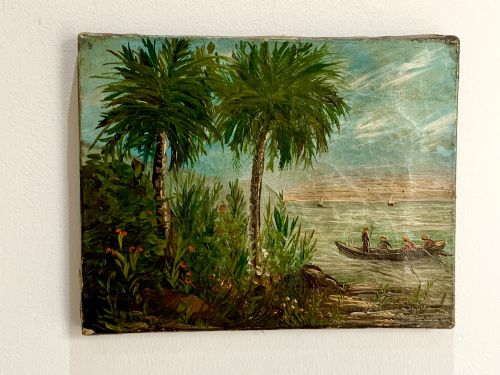
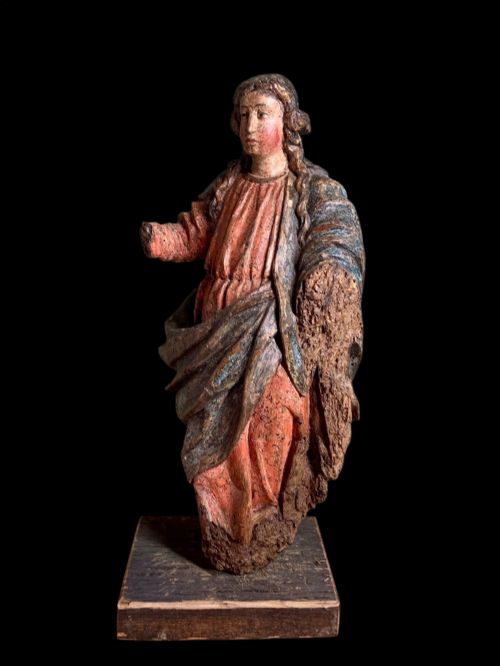
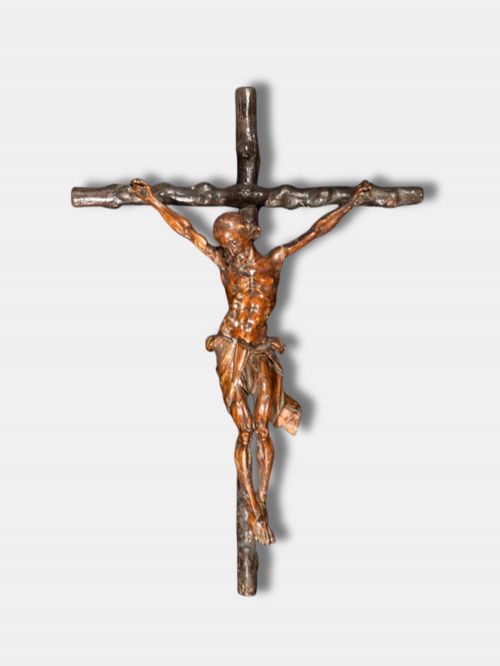
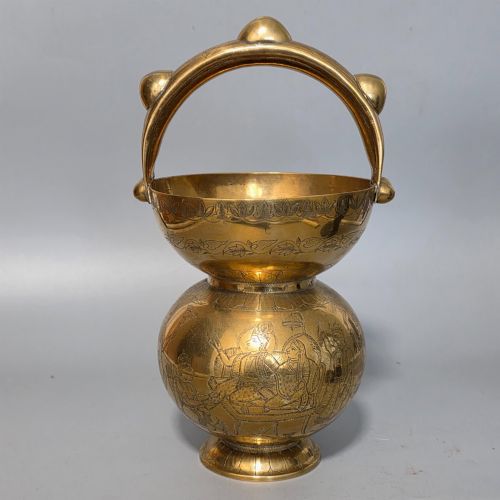
Buyers meet works depicting distant landscapes, local portraits, and devotional subjects such as Santos figures and depictions of saints. The forms vary from intimate home altars and brass vessels to monumental canvas paintings and detailed maps.
Materials and construction
Makers utilised traditional supports including canvas, paper and timber panels, applying oil paints, watercolours and gold leaf. Carved works frequently employ dense woods finished with gesso and polychrome pigments.
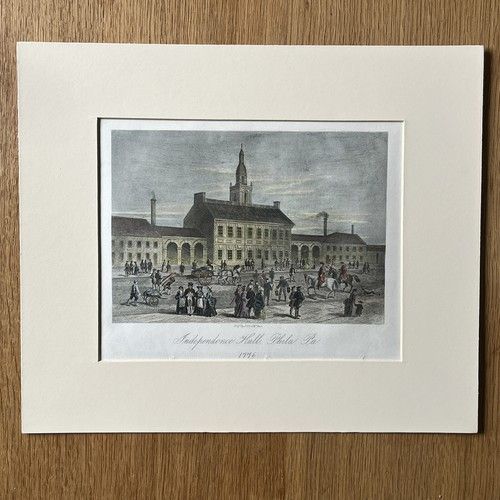
Specialised techniques include detailed brass casting, quill work, and carved relief work on hardwood panels. Surface decorations range from layered oil glazes to intricate hand-coloured engravings and maps.
Colonial Art Retail Price Guide 2026
Typical asking prices for colonial art among the pieces listed under this phrase on Sellingantiques today, from the lower quarter to the upper quarter. They describe what is for sale here now, not the wider market.
One recorded item is a carved coconut shell, demonstrating how travelling artisans transformed local tropical husks into intricate works of art.
Judging the standard
Quality rests upon the skill of execution in the brushwork, the depth and precision of the wood carving, and the preservation of original polychrome surfaces or gilding. Finer pieces demonstrate superior anatomical proportion and compositional balance.
Provenance and documentation elevate certain works, particularly signed paintings or portraits linked to known workshops and specific historical figures. The integrity of the materials, such as untouched wood and stable canvas grounds, distinguishes superior examples.
Johann Moritz Rugendas·Arthur William Devis·Juan Ruiz Soriano·Gaspar de Figueroa·John Douglas Perrett
The Colonial Art Glossary
- Santos figure
- A carved wooden representation of a saint or religious figure used in devotional practices. These pieces often feature polychrome paint and gesso.
- Polychrome
- The practice of decorating architectural elements, sculptures, or pottery in a variety of colours. This surface treatment is common on religious figures.
- Capipote
- A Spanish term for a devotional figure with a framework designed to wear actual fabric garments. These statues frequently appear in religious contexts.
- Anglo-Indian
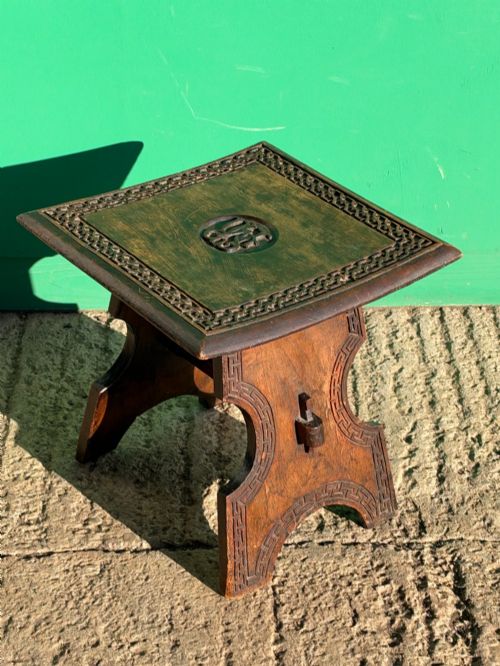
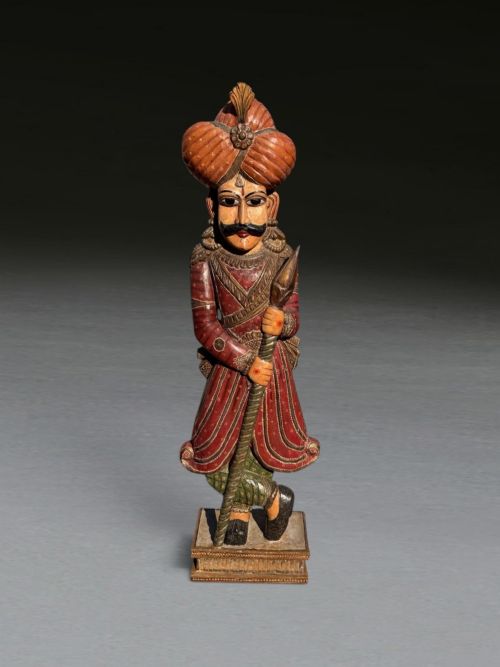
- Describing artefacts or furniture made in India under British influence, combining local materials with European forms. Teak and hardwood are typical of this category.
- Gesso
- A paint mixture consisting of a binder mixed with chalk, gypsum, or pigment used to prepare surfaces for painting or gilding. It provides a smooth base on carved wooden panels.
Colonial Art: Frequently Asked Questions
What defines colonial art?
Colonial art refers to artistic works produced within territories under the rule of an external empire, reflecting cultural exchanges between the ruling power and the indigenous population.
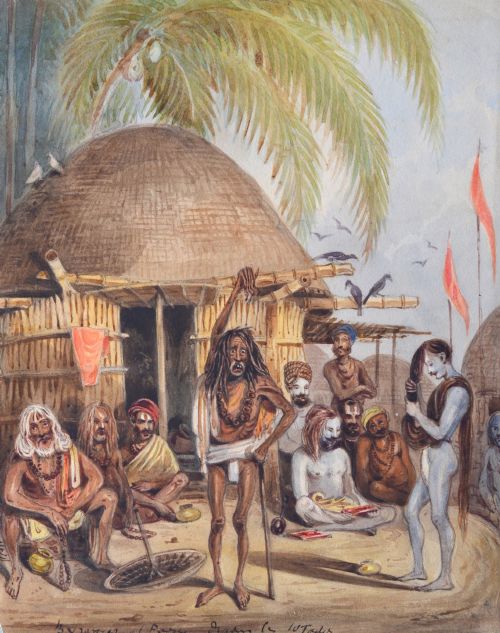
Items range from European-influenced religious iconography created in South America to British-commissioned portraits and landscape watercolours produced in India.
How were devotional figures used?
Religious sculptures and Santos figures served as focal points for prayer and private worship within domestic home altars or local churches.
Owners dressed some figures in fabric garments for religious processions and feast days throughout the liturgical calendar.
How do I date a painting?
Dating relies on examining the canvas or paper substrate, the composition style, clothing fashion depicted in portraits, and any signatures or framing techniques.
Historical records and artist attributions further narrow the timeframe, supported by the physical ageing of pigments and ground layers.
How should I care for wooden panels?
Wooden sculptures and panels require stable indoor humidity and protection from direct sunlight to prevent timber splitting and paint flaking.
Dusting should be performed gently with a dry, soft brush without applying liquid cleaners or polishes to fragile polychrome surfaces.