



Collectible Wrist Watch
A collectible wrist watch is a mechanical timekeeper from the mid twentieth century, offering enduring design and precision engineering for daily wear.
Collectible Wrist Watch
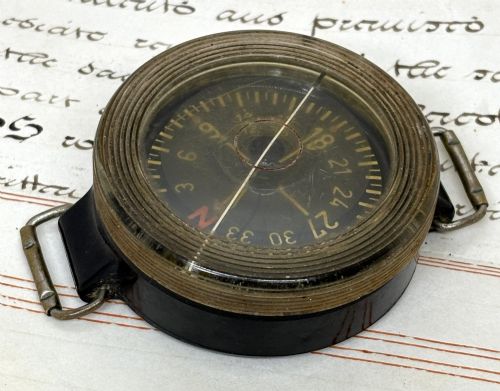
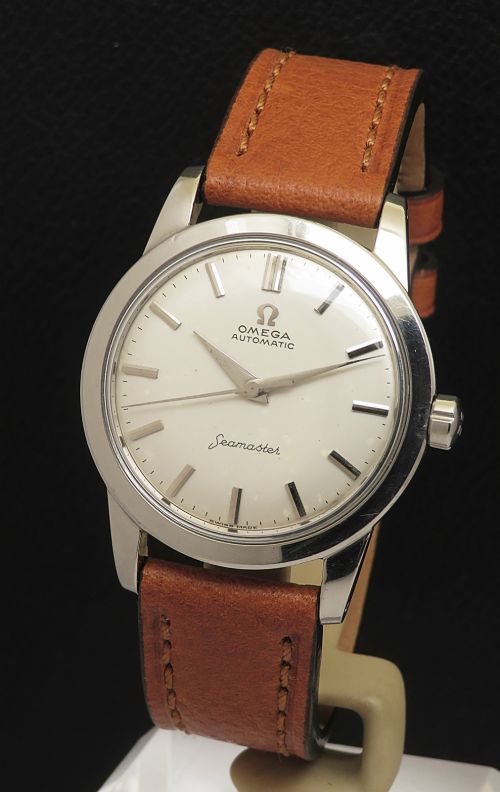
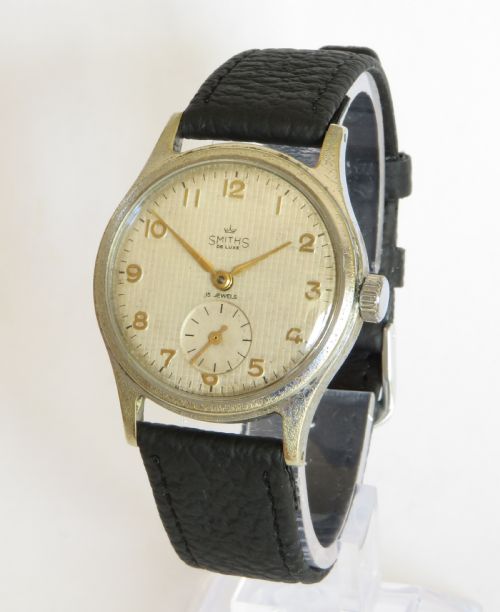
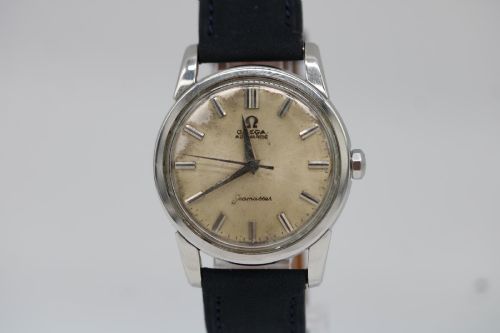
A collectible wrist watch encompasses vintage timepieces and navigational instruments dating from the nineteen thirties to the nineteen sixties, reflecting functional design and military utility. You encounter civilian dress pieces alongside service models issued to air forces and ground troops.
How they were made
Manufacturers utilised stainless steel, chrome, and metal for durable watch cases, pairing them with glass or acrylic crystals to protect the dial. Leather, fabric, and bakelite straps or components complete the assembly of these mid-century pieces.
Movements relied on mechanical ingenuity, incorporating automatic bumper mechanisms and chronograph complications within robust housings. Military issues required specific case markings and legible dials to withstand rigorous service conditions.
Listings span four distinct decades from the nineteen thirties to the nineteen sixties, featuring stainless steel, leather, and acrylic materials.
What varies in quality
Condition separates untouched examples from heavily altered pieces, with originality dictating the standing of a watch. Preserved dials, original case finishes, and correct movement components hold greater regard among collectors.
Historical context and military provenance influence desirability, particularly when specific service markings remain intact on the case back. The complexity of the movement, such as triple date chronographs or automatic bumper calibres, also distinguishes standard production from notable variations.
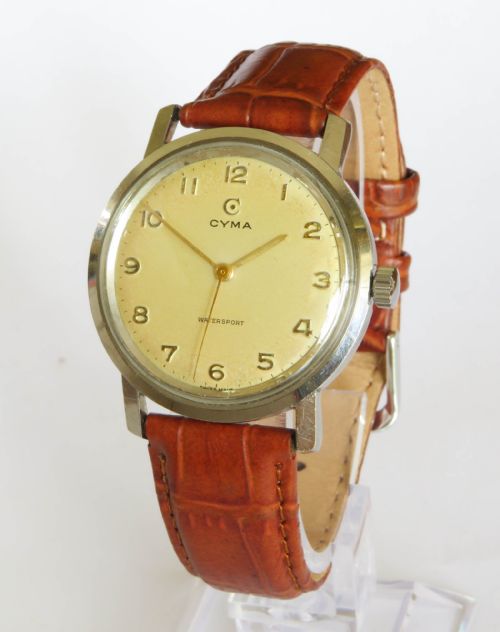
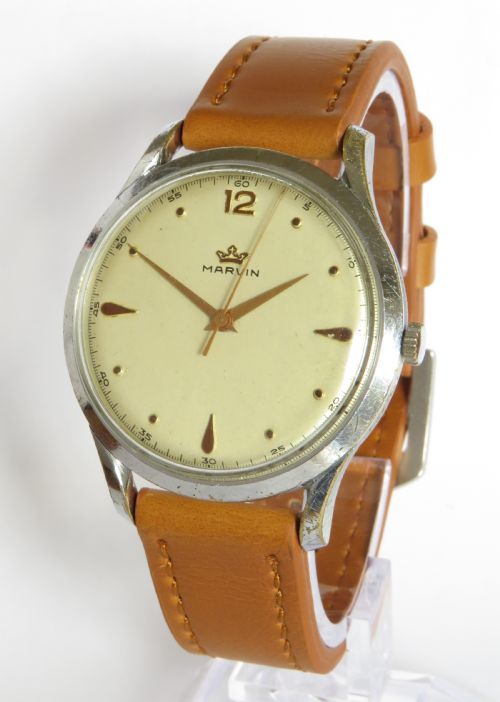
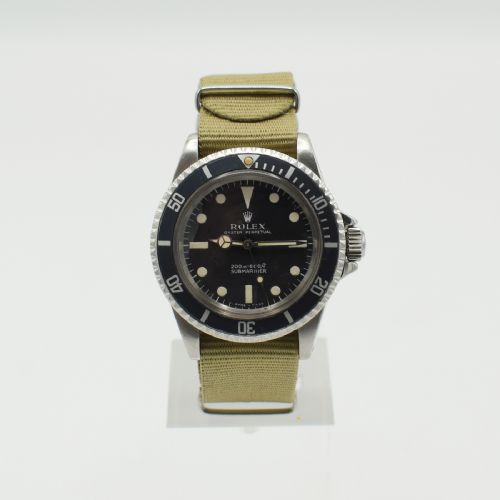
Omega·Rolex·Smiths·Cyma·Marvin·Ebel·Benrus·Tritona·Timor
The Collectible Wrist Watch Glossary
- Chronograph
- A watch with a stopwatch function alongside its standard timekeeping display. These complications often include additional subdials on the face.
- Automatic bumper
- An early self-winding mechanical movement where the rotor swings back and forth against springs rather than rotating fully. This movement style is characteristic of mid-century automatic watches.
- Military issue
- Equipment commissioned by armed forces for personnel, typically stamped with service codes on the case back. These pieces follow strict government specifications.
- Acrylic
- A lightweight, shatter-resistant plastic used for watch crystals before sapphire glass became standard. It can be polished to remove surface scratches.
Collectible Wrist Watch: Frequently Asked Questions
What is an automatic bumper watch?
An automatic bumper watch uses a partial rotor that swings back and forth to wind the mainspring, cushioned by small springs at either end. This mechanical arrangement represents an early step in self-winding technology.
You can feel a distinct gentle thud on your wrist as the weight hits the internal springs while you move your arm during the day.
How do I identify a military issue watch?
Military issue watches feature specific government markings, broad arrows, and service numbers engraved on the case back. They were built to strict military contracts for air force, army, or navy personnel.
Dial layouts on these pieces prioritise legibility, often displaying contrasting numerals and simple hands designed for rapid reading under difficult conditions.
What materials are common in vintage watch cases?
Stainless steel and chrome-plated metal form the primary materials for watch cases from this era. Acrylic or glass protects the dial, while straps consist of leather, fabric, or bakelite.
These materials were chosen for durability and manufacturing efficiency during the mid twentieth century, enduring decades of daily use.
How do I care for a mechanical wrist watch?
Mechanical wrist watches require careful handling, regular manual winding for non-automatic models, and protection from moisture and heavy impacts. Keeping them away from magnetic fields helps maintain accurate timekeeping.
Periodic servicing by a professional watchmaker ensures the internal gears and oils remain clean and functional over years of wear.