


Collectible Wooden Box
These pieces gather the small wooden vessels and containers held across the nineteenth and early twentieth centuries, offering tactile domestic objects that collectors prize.
Collectible Wooden Box
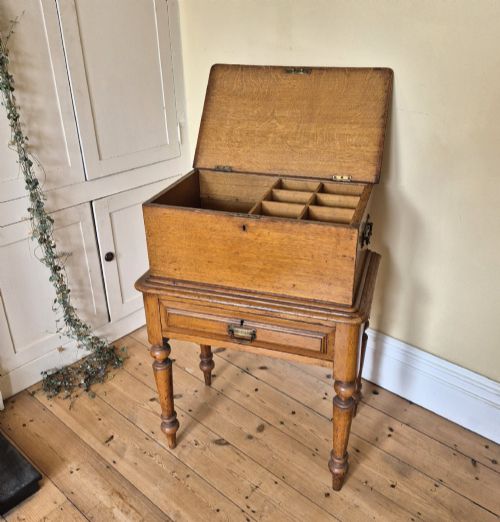
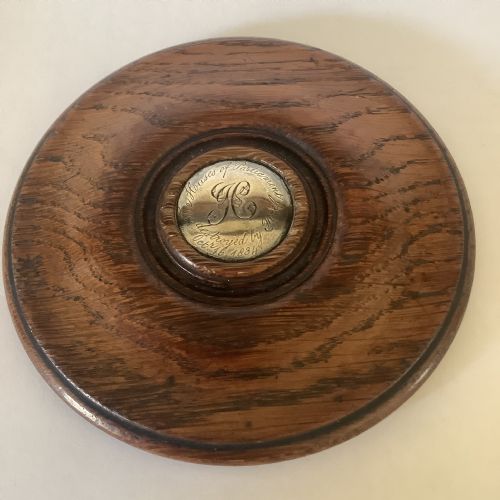
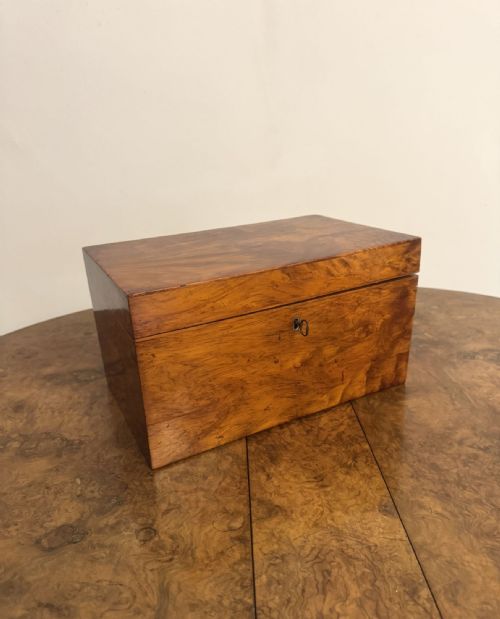
A collectible wooden box encompasses small functional containers, from pocket snuff boxes and tea caddies to desktop dispensers and sewing cases, spanning Georgian, Regency, Victorian, and Edwardian eras. The examples most frequently encountered on this page originate from nineteenth century workshops and display utilitarian or figural forms carved in wood.
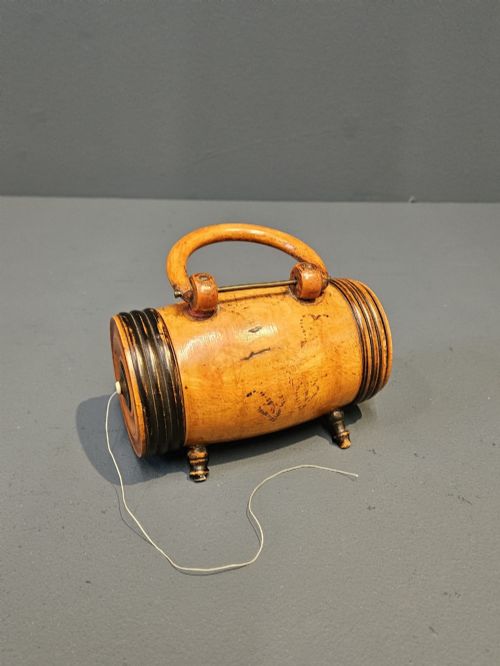
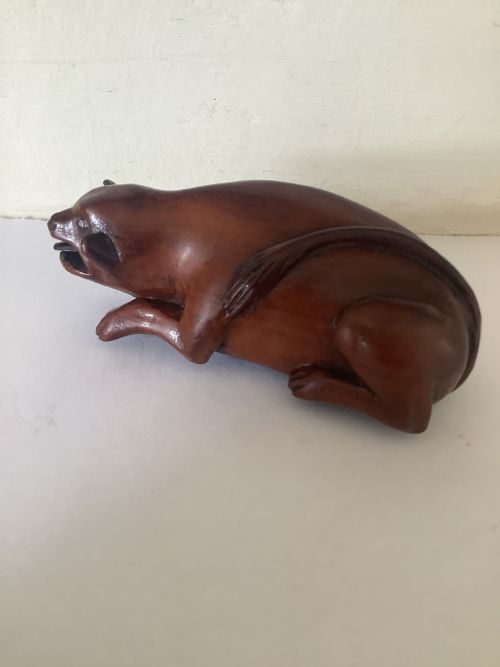
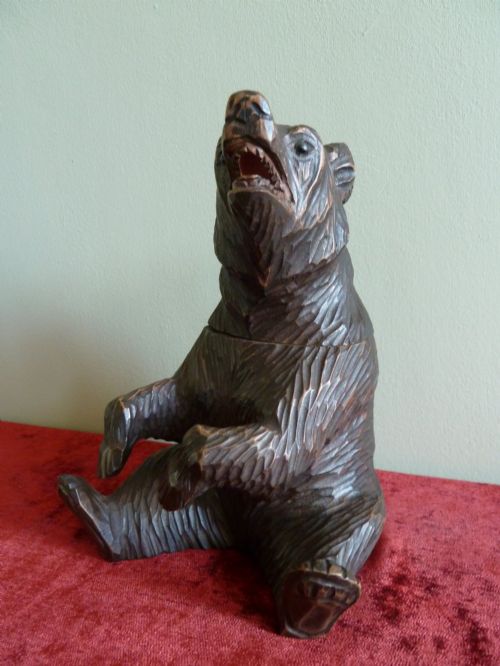
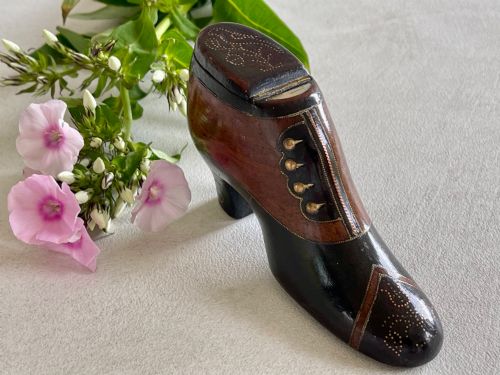
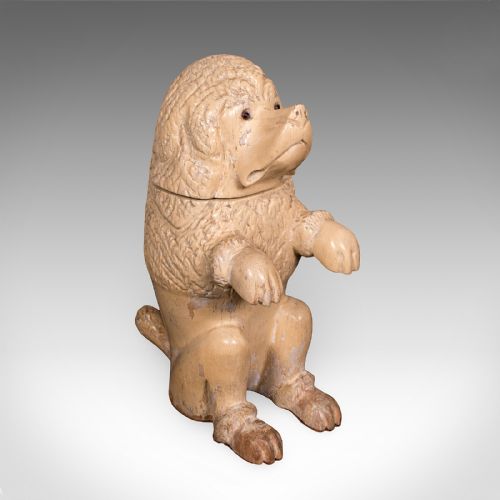
The assortment includes items shaped like animals, shoes, fruit, and barrels alongside standard geometric chests, reflecting domestic and tavern habits of past centuries. Many pieces fall under the category of treen, denoting small turned or carved wooden objects made for everyday use.
How they were made
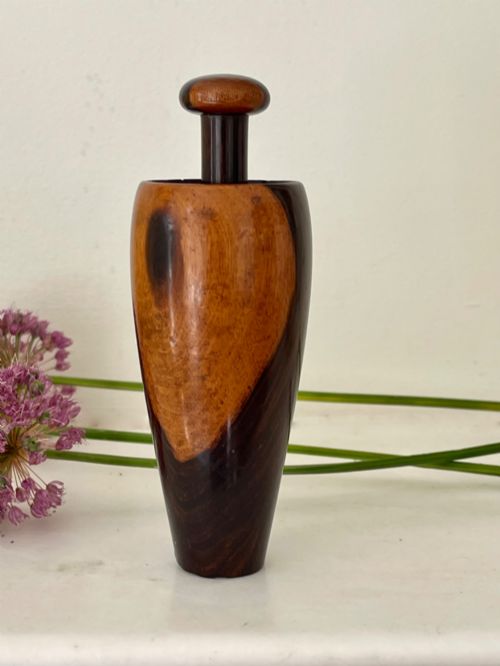
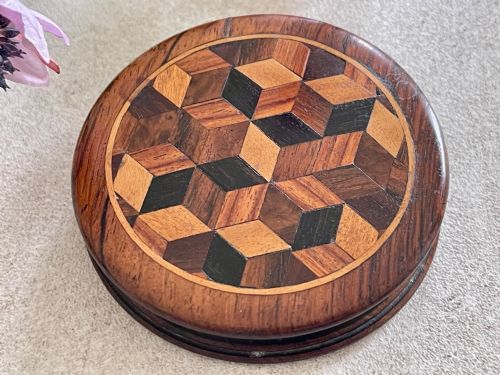
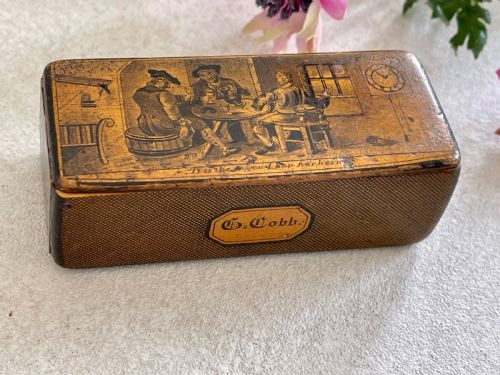
Craftsmen utilised dense domestic and exotic hardwoods such as oak, walnut, fruitwood, boxwood, laburnum, and ebony, often turning them on lathes or carving them by hand. Decoration relied on engine turning, pen work, coopered construction, and intricate Tunbridge Ware mosaic inlays.
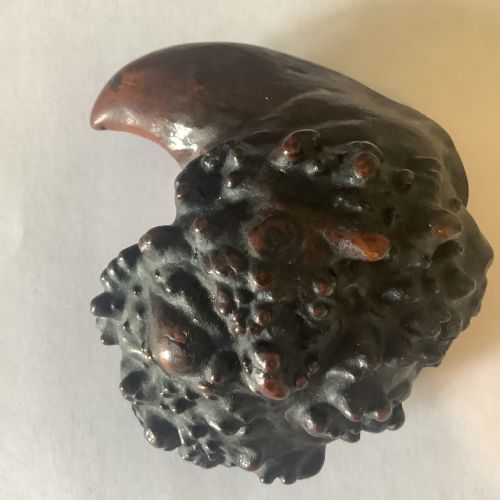
Makers shaped natural burrs and grains to highlight the timber, occasionally incorporating brass hardware, glass panels, or tortoiseshell veneers to finish the small vessels.
Several nineteenth century boxes take the form of ladies' feet wearing open-toed shoes.
What varies in quality
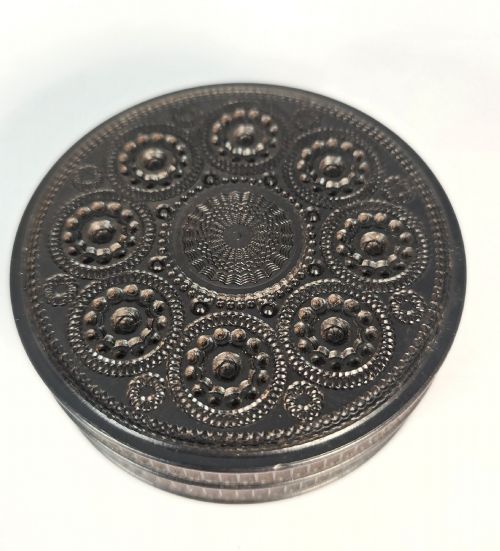
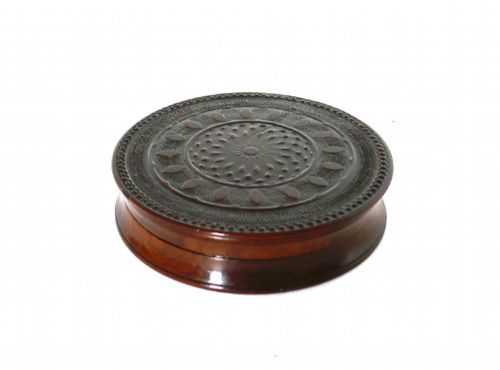
Quality rests in the crispness of the carving, the precision of engine turned geometric patterns, and the preservation of the original timber surface rather than modern refinishing. Finer specimens display imaginative figural detailing, such as animal forms or articulated footwear lids, executed with strict symmetry.
Makers who incorporated specialised techniques like pen work or miniature mosaic wood marquetry set a higher standard of craftsmanship than those producing plain utilitarian containers.
G Cobb·Jaques·Faudels Of London
The Collectible Wooden Box Glossary
- Treen
- Small handmade wooden objects for domestic use. These items range from nutmeg graters to tea caddies.
- Tunbridgeware
- Woodworking style featuring small mosaic tiles made from natural woods. This technique creates detailed pictorial designs on box lids.
- Engine turned
- Geometric patterns cut into wood using a lathe. This precise decoration appears on nineteenth century treen.
- Coopered
- Constructed from wooden staves bound together with hoops. This method was used for small barrels and tobacco jars.
- Snuff box
- Small container designed to hold ground tobacco leaves. These pocket vessels often take whimsical or animal forms.
Collectible Wooden Box: Frequently Asked Questions
What are these wooden containers?
These pieces comprise small historical containers made primarily of wood during the nineteenth and early twentieth centuries. They served practical domestic purposes for storing tobacco, snuff, tea, and sewing implements.
Many examples take whimsical or figural shapes, reflecting the folk art and decorative tastes of the Victorian and Georgian periods. Collectors seek them for their tactile qualities and regional craftsmanship.
How did people use them?
Owners kept these receptacles on desks, tables, and in pockets to hold daily consumables and small personal items. Snuff boxes sat in pockets for quick access, while tea caddies guarded dry leaves in the parlour.
Other vessels dispensed string, held postage stamps, or stored apothecary pills, integrating directly into the domestic routines of past households.
How do I date a wooden box?
Dating relies on the timber species, construction methods, and stylistic cues present in the piece. Regency items often show restrained classical lines in walnut, while Victorian examples embrace ornate carving and figural treen.
Inscriptions, dates carved into the wood, and specific mechanisms like early hinges or engine turning help narrow the decade of production.
How should I display them?
These small objects fit well on open shelves, display cabinets, or tabletops where handlers can pick them up to examine the grain and construction. Grouping items by material, such as boxwood or walnut, creates a cohesive display.
Keep wooden containers away from direct sunlight and extreme humidity changes to protect the historic finish and timber.