





Collectible Staffordshire Pottery
Collectible staffordshire pottery brings character to a room through figures, animals and jugs shaped by regional makers over two centuries.
Collectible Staffordshire Pottery
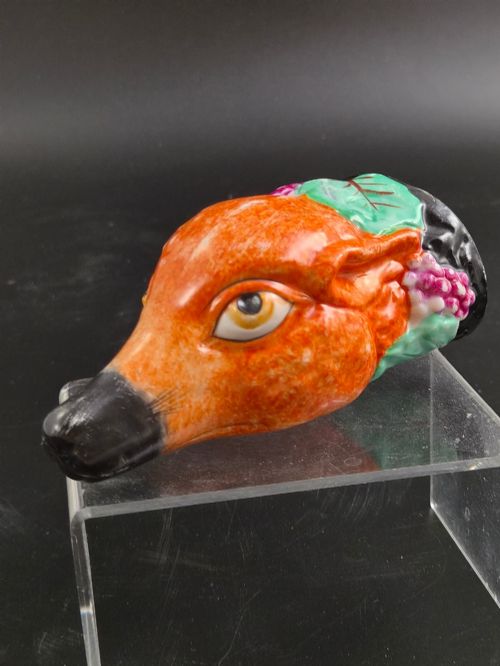
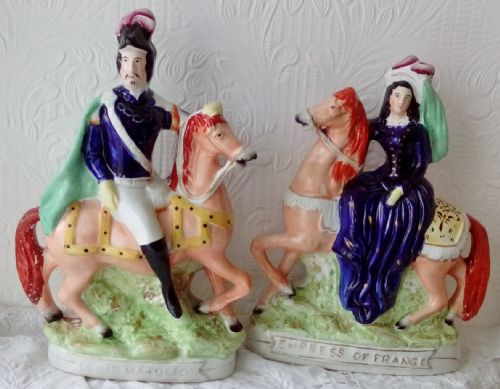
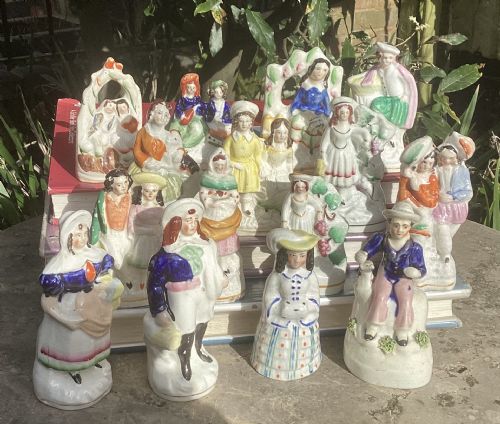
When you search for collectible staffordshire pottery, you encounter earthenware and porcelain figures, animal pairs and utilitarian jugs. The pieces range from Georgian figures and Regency stirrup cups to Victorian portrait subjects and Edwardian china figures.
The selection on this page centres on decorative figurines, toby jugs and animal studies such as snow leopards and cow creamers. These small ceramic works reflect domestic tastes across the nineteenth and early twentieth centuries, from royal portraits to literary characters.
How they were made
Makers formed the figures and jugs in moulds before firing, finishing them with hand-painted touches and rich surface glazes.
Collectible Staffordshire Pottery Retail Price Guide 2026
Typical asking prices for collectible staffordshire pottery among the pieces listed under this phrase on Sellingantiques today, from the lower quarter to the upper quarter. They describe what is for sale here now, not the wider market.
The listings span the Georgian, Victorian and Edwardian periods, utilising earthenware, pearlware, porcelain and gilt enamel.
What varies in quality
Quality rests upon the crispness of the moulding and the skill of the hand-painted enamels. Finer examples retain clear facial expressions and precise application of gilt and colour.
The depth of the glaze and the complexity of the subject matter distinguish standard output from more ambitious portrait figures and animal pairs.
Wedgwood and Co Ltd
The Collectible Staffordshire Pottery Glossary
- Pearlware
- A refined earthenware developed in the late eighteenth century featuring a subtle bluish glaze that pooled in recesses. It forms the smooth white base for early nineteenth-century animal figures.
- Toby jug
- A pottery jug shaped as a jovial seated figure, typically wearing eighteenth-century attire and holding a mug or pipe. These utilitarian pieces doubled as table vessels and decorative mantel ornaments.
- Earthenware
- A porous pottery body fired at lower temperatures and coated with an opaque or transparent glaze. It serves as the primary material for the majority of nineteenth-century Staffordshire figures.
- Jackfield
- A type of glossy black-glazed pottery originating in Shropshire and later adopted by Staffordshire potteries. It is frequently utilised for animal creamers and novelty jugs with gilded accents.
Collectible Staffordshire Pottery: Frequently Asked Questions
What is collectible staffordshire pottery?
These ceramic works comprise nineteenth-century earthenware figures, animal pairs, portrait subjects and toby jugs produced in the Staffordshire potteries. They served as decorative mantel ornaments in homes.
Collectors prize them for their variety of subjects, ranging from historical royals to literary figures and domestic animals.
How do I date a Staffordshire figure?
Dating relies on the ceramic body type, such as pearlware versus later earthenware, along with costume details and glaze characteristics. Georgian and Regency pieces often show softer pearlware glazes, while Victorian examples display brighter enamel colours.
Makers' marks or impressed titles on the base provide further chronological clues.
How were Staffordshire figures used?
Victorian households displayed these ceramic figures on mantelpieces, sideboards and window ledges to brighten living spaces. Utilitarian items like cow creamers and toby jugs combined display with actual service on the tea table.
Pairs of animals were typically arranged symmetrically on either side of a fireplace.
How do I care for antique pottery?
Keep these glazed earthenware pieces out of direct sunlight to prevent enamel paints and gilt highlights from fading over time. Dust them gently with a soft, dry brush rather than using liquid cleaners.
Avoid placing them near heat sources that might stress the ceramic body or craze the glaze.