





Collectible Silver Set
These pieces of collectible silver set range from Victorian condiment containers to Edwardian button boxes, offering both utility and craftsmanship for the discerning collector.
Collectible Silver Set
A collectible silver set encompasses diverse groupings ranging from Victorian novelty condiment vessels and Edwardian button boxes to miniature chocolate pot services and railway station master items. Buyers seeking this category encounter an eclectic mix of functional objects paired by period, material, or purpose rather than a single standardised form.
Most examples originate from the Victorian and Edwardian eras, spanning the late nineteenth and early twentieth centuries, alongside occasional nineteenth-century French and Ottoman Turkish pieces. These groupings frequently retain their original fitted cases, whether lined with velvet or leatherette, preserving the integrity of the ensemble.
Materials and construction
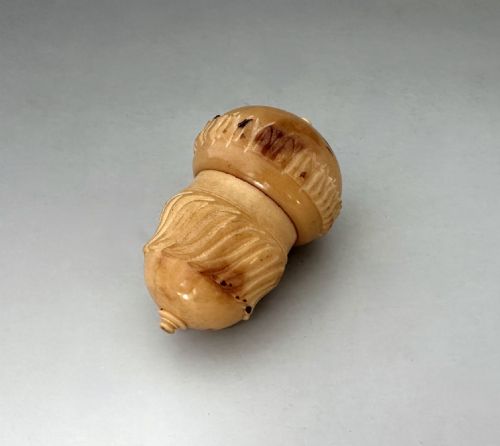
Objects within this category rely primarily on sterling silver and solid silver, complemented by silver plate for utilitarian items such as railway memorabilia and shooting peg cases. Supplementary components incorporate glass, wood, corozo nut, and stone settings to build out the functional requirements of each piece.
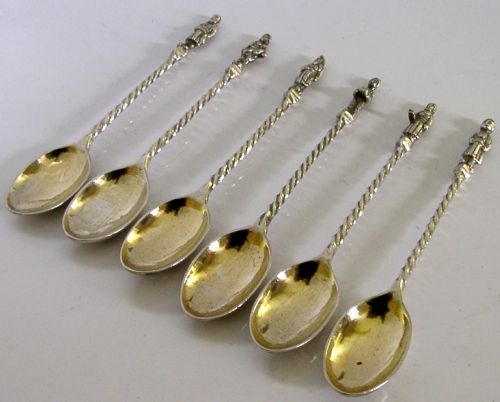
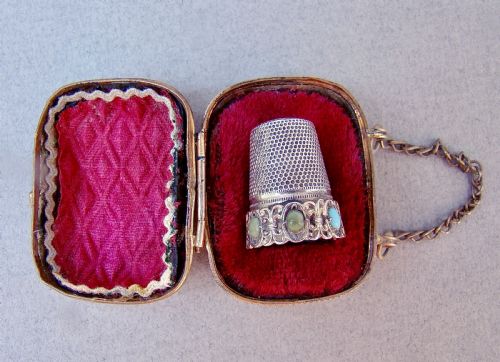
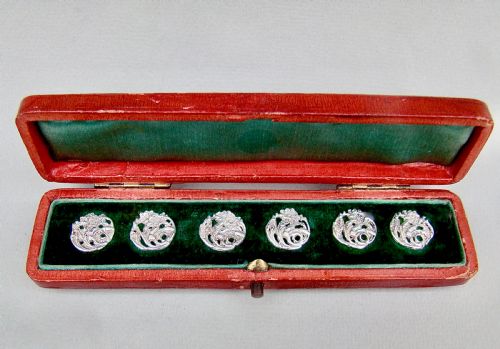
Housing these sets demanded specialist joinery, utilising fitted wooden frames covered in leatherette and lined with velvet to securely cradle spoons, thimble cases, and condiment vessels. Metalwork techniques combined traditional silversmithing with specialised casting and chasing for figural spoons and Art Nouveau button designs.
Collectible Silver Set Retail Price Guide 2026
Typical asking prices for collectible silver set among the pieces listed under this phrase on Sellingantiques today, from the lower quarter to the upper quarter. They describe what is for sale here now, not the wider market.
Listings feature items from the Victorian and Edwardian periods, utilising sterling silver, silver plate, glass, and wood across various functional forms.
Distinguishing quality
Quality in a collectible silver set depends on the integrity of the complete ensemble, particularly where original fitted cases remain intact to house matching components like teaspoons or buttons. The crispness of hallmarks, precision of figural chasing, and preservation of interior linings elevate certain groupings above standard utilitarian wares.
The sophistication of the design execution, from understated provincial silver teaspoons to intricate Art Nouveau motifs and Ottoman figural work, dictates the standing of each piece. Superior examples exhibit harmonious proportions across all included items and maintain their original structural fittings without modification or loss.
James Deakin & Sons·Harry Atkin
The Collectible Silver Set Glossary
- Sterling silver
- A silver alloy containing 92.5 percent pure silver and 7.5 percent other metals, usually copper, ensuring durability for tableware and small accessories. This standard is frequently verified by official assay office hallmarks.
- Assay office
- An official body responsible for testing the purity of precious metals and stamping them with hallmark symbols. British offices include locations such as Sheffield and Chester.
- Chatelaine
- A decorative belt hook worn with suspended chains carrying household and practical accessories like thimble cases, scissors, or keys. They were popular in various forms from the nineteenth century onward.
- Condiment set
- A matched grouping of small vessels designed for holding table seasonings such as salt, pepper, and mustard. These sets often incorporate specialised spoons or glass liners.
- Fitted case
- A specialised presentation box constructed to securely hold a specific set of items within indented velvet or fabric linings. They protect delicate silver components from movement and damage during storage.
Collectible Silver Set: Frequently Asked Questions
What items belong in a silver set?
A silver set includes matched groupings such as teaspoons, condiment vessels, buttons, and miniature tea services. These items are frequently housed together in original presentation boxes.
Grouping compositions vary widely depending on the intended use, ranging from medical kits and railway memorabilia to sewing accessories and place name holders.
How do I identify Victorian silver?
Identifying Victorian silver relies on examining the specific hallmarks stamped into the metal, which indicate the assay office, standard of silver, and date letter. Stylistic cues such as heavy ornamentation or specific Victorian motifs also help date the piece.
Consulting historical assay office records provides precise confirmation of the manufacturing date and location for marked pieces.
Are original presentation cases important?
Original fitted cases provide crucial context and protection for collectible silver sets, keeping multi-piece ensembles complete. Velvet or leatherette linings designed specifically for the objects indicate an intended presentation format.
Ensembles retaining their original fitted housing generally command greater interest from collectors than loose items assembled later.
How should I display these sets?
Displaying these pieces involves balancing visibility with protection from tarnishing and physical wear. Keeping items within their fitted presentation cases or enclosed in glass cabinets minimises exposure to atmospheric pollutants.
Rotating items and avoiding abrasive cleaning methods helps preserve delicate silver surfaces and original velvet linings over time.