






Collectible Silver Gilt
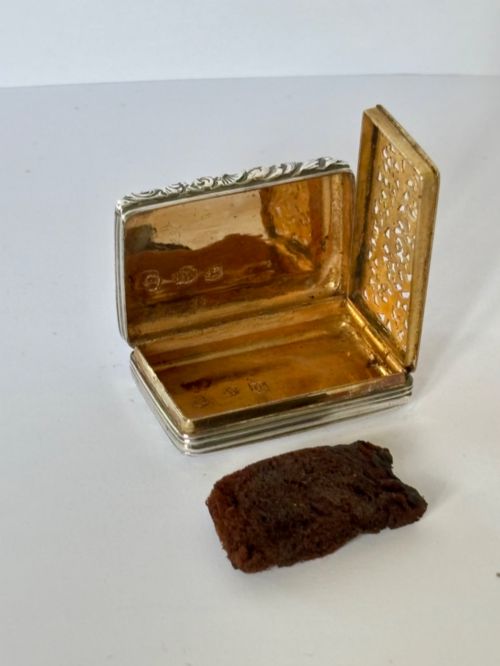
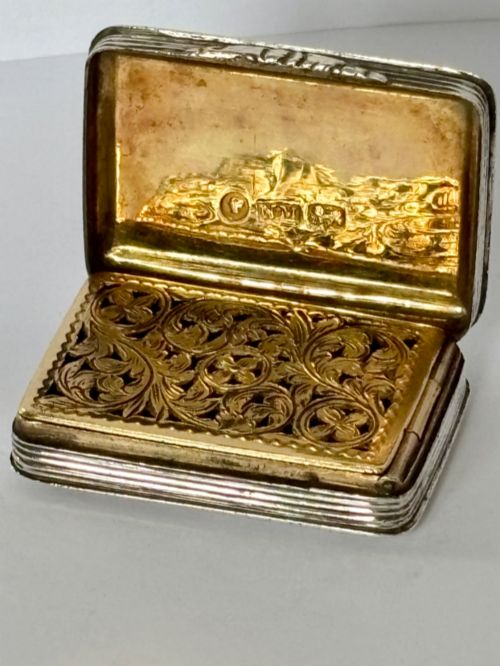
Collectible silver gilt brings together items coated in gold over silver, spanning everything from Georgian vinaigrettes to mid-century compacts.
Collectible Silver Gilt
When searching for collectible silver gilt, a buyer encounters functional and decorative objects created across several centuries, with Victorian examples appearing frequently alongside Georgian and Edwardian items.
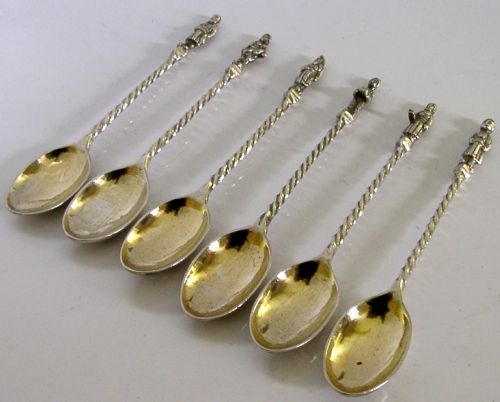
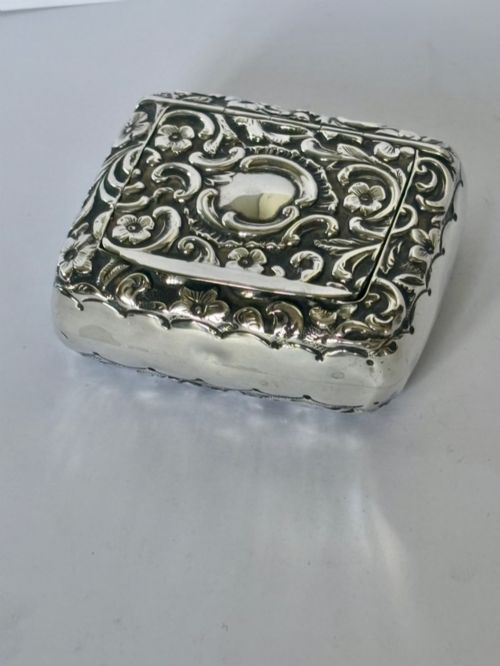
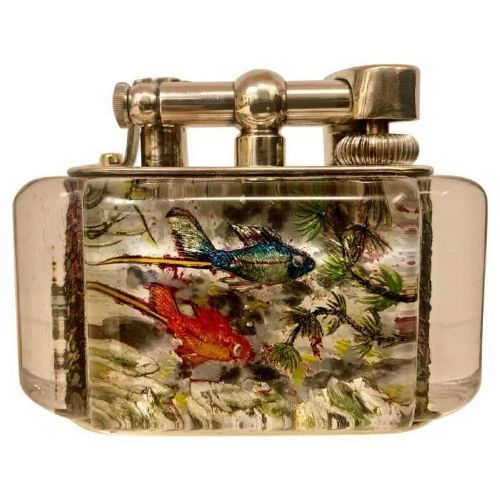
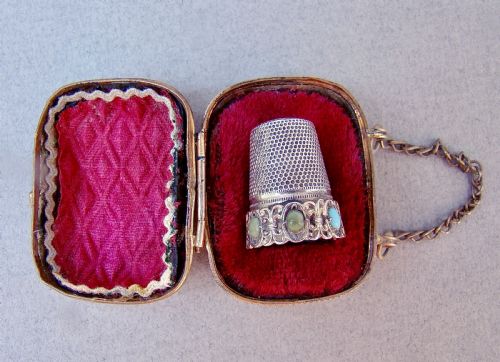
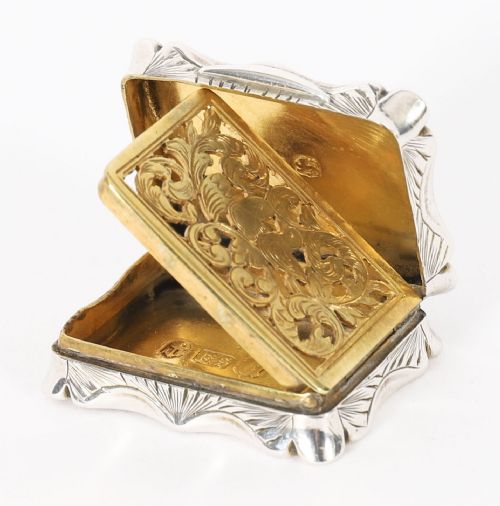
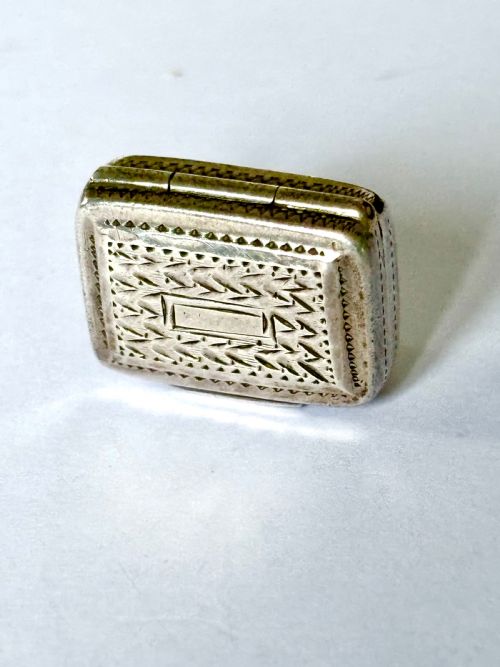
The forms range widely across the evidence, taking shape as snuff boxes, vinaigrettes, spoons, thimbles with chatelaine cases, and table lighters.
Origins stretch from British workshops in Birmingham to Ottoman makers, alongside Danish and French pieces that incorporate enamel and stone settings.
How they were made
The manufacturing process relies on sterling silver or solid silver as a foundation, upon which a layer of gold is applied to create the characteristic silver gilt surface.
Many pieces incorporate supplementary materials such as enamel, ormolu, lucite, and velvet to enhance their decorative impact.
Surface ornamentation often involves embossing, cast decoration, or guilloche enamel work applied directly to the metal body.
Collectible Silver Gilt Retail Price Guide 2026
Typical asking prices for collectible silver gilt among the pieces listed under this phrase on Sellingantiques today, from the lower quarter to the upper quarter. They describe what is for sale here now, not the wider market.
Materials recorded in the inventory include sterling silver, enamel, ormolu, velvet, and lucite.
What varies in quality
Quality differences manifest in the crispness of embossed or cast decoration, where sharper details indicate a higher standard of workmanship.
The preservation of the gold wash over the silver base affects the visual integrity of the piece, alongside the condition of any inset enamel, stones, or fitted cases.
Henry Matthews·Dunhill·Edward Smith·John Bettridge·Charles Horner·Houbigant·Dumarest
The Collectible Silver Gilt Glossary
- Silver gilt
- Sterling silver or solid silver that has been coated with a thin layer of gold, combining the strength of silver with the rich colour of gold. This technique was frequently utilised for small luxury accessories and tableware.
- Vinaigrette
- A small hinged box containing a perforated internal grille, designed to hold a sponge soaked in aromatic vinegar. These date primarily from the Georgian and Victorian periods.
- Guilloche enamel
- A decorative technique where a precise geometric pattern is engraved into the metal surface beneath a translucent layer of enamel. It appears frequently on items from the early twentieth century.
- Ormolu
- Gilded bronze used for decorative mounts, chatelaine cases, and stands. It provides a warm metallic contrast to silver gilt components.
- Chatelaine
- A decorative belt hook worn with a series of suspended chains holding small utility items such as thimbles or sewing accessories.
Collectible Silver Gilt: Frequently Asked Questions
What is silver gilt?
Silver gilt is solid silver or sterling silver that has been covered with a thin layer of gold. This process gives the object the rich golden appearance of solid gold while retaining the underlying structure of silver.
Items treated this way often include small personal accessories, boxes, and spoons where a golden interior or exterior was desired for luxury and wear resistance.
How do I clean silver gilt?
Cleaning silver gilt requires extreme care because the gold layer can be thin and easily worn away by abrasive polishes. Gentle dusting and minimal contact with chemical cleaners help preserve the surface.
Specialist non-abrasive silver cleaners should be used cautiously, avoiding aggressive rubbing that might expose the silver underneath.
How do I date these pieces?
Dating silver gilt items relies heavily on hallmarks stamped into the metal, which record the assay office, date letter, and maker's mark. Pieces from makers like Henry Matthews or Edward Smith can be pinned to specific years through these official marks.
Stylistic shifts, such as the transition from Georgian neoclassical forms to Victorian embossing and mid-century modern designs, also offer clear chronological markers.