

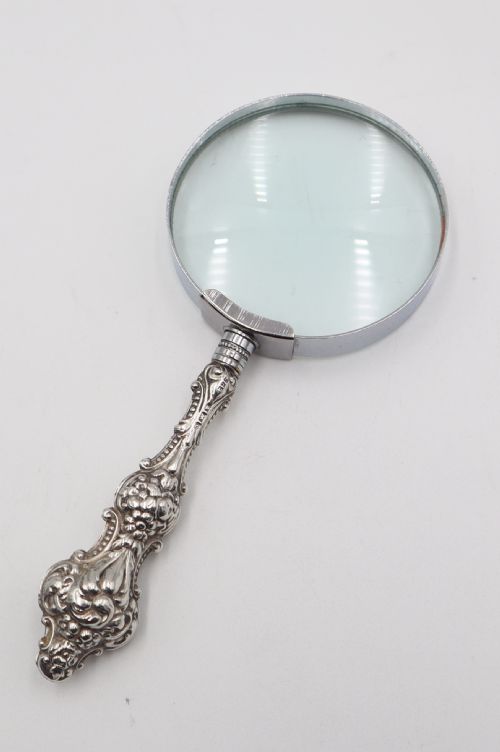
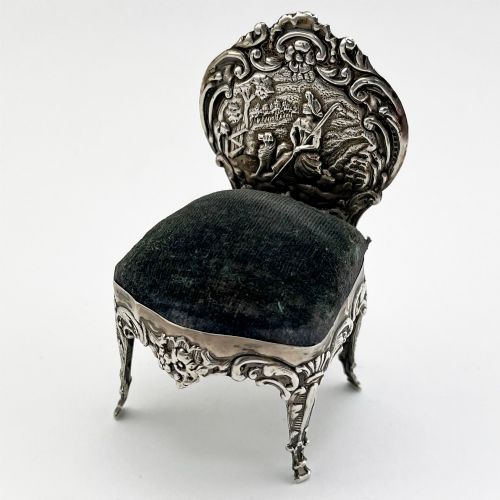
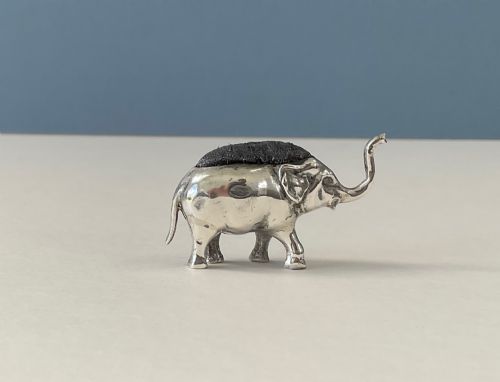
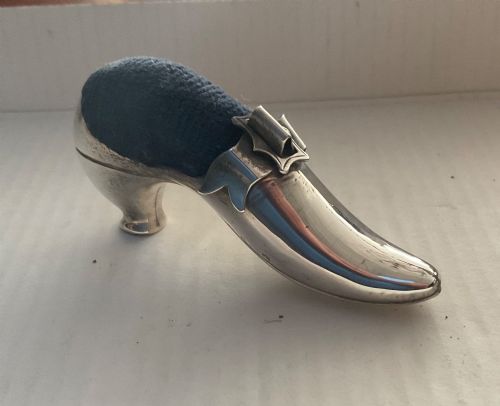

Collectible Silver Accessory
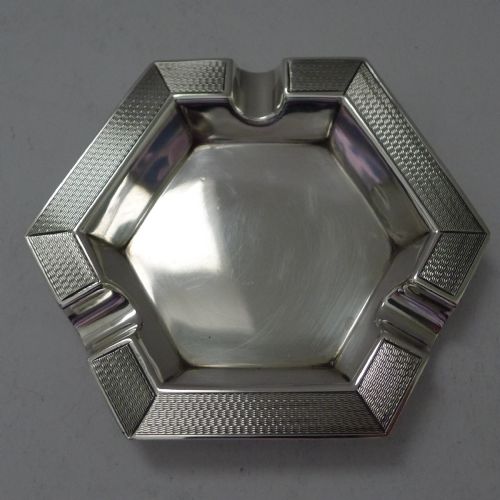
A collectible silver accessory brings small utility and great wit to a desk, table or vanity, spanning Victorian whimsy to mid-century modernism.
Collectible Silver Accessory
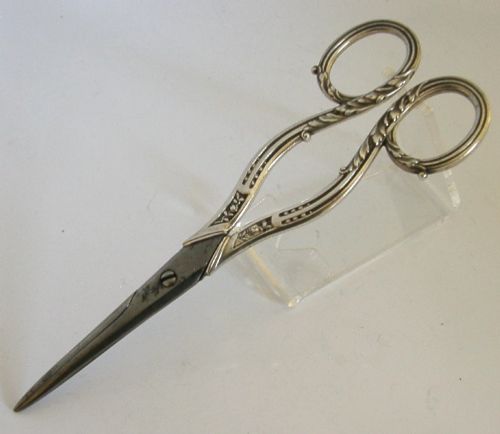
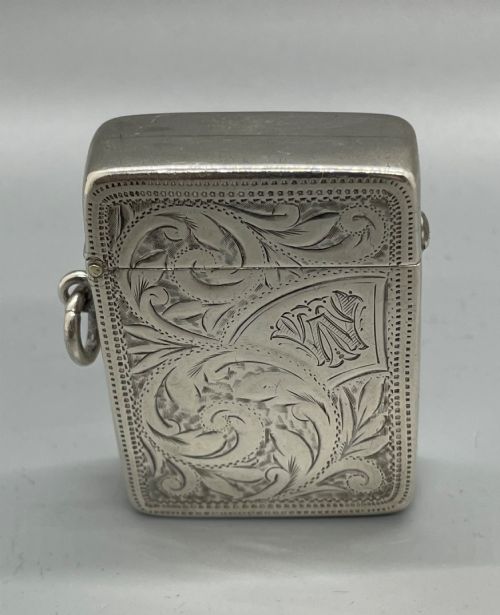
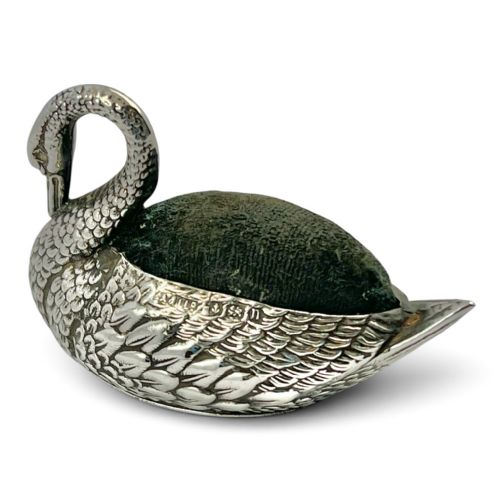
You are most likely to meet novelty pin cushions modelled as animals, furniture, and boots, alongside sewing tools, vesta cases, and caddy spoons. These items served daily domestic and personal roles in the nineteenth and twentieth centuries, transforming mundane items into decorative ornaments.
The objects originate primarily from British workshops, though French, Norwegian, and Scandinavian pieces also appear. Their forms reflect the changing tastes of collectors over two centuries, from classical revival designs to playful zoomorphic novelties.
How they were made
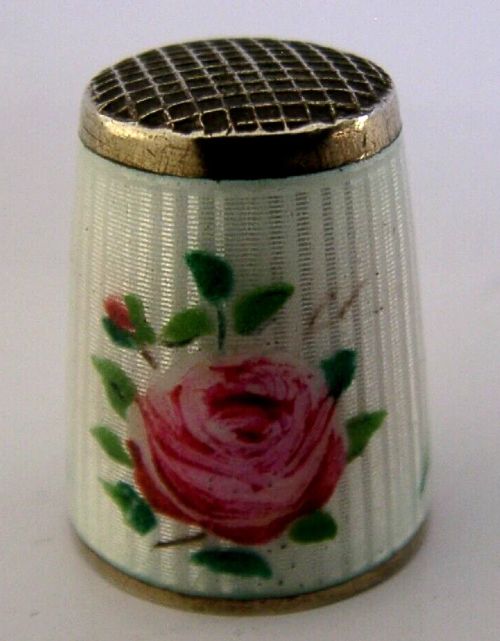
Makers utilised sterling silver and silver plate, often combining the metal with velvet, fabric, steel, and vitreous enamel. Complex novelty forms required skilled silversmiths to cast, stamp, and hand-chase intricate details such as feathers, fur, and harness work.
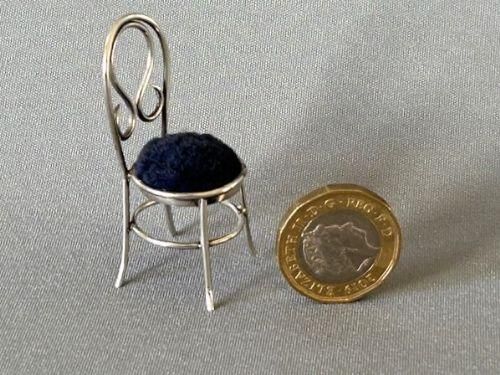
Interior elements frequently incorporated organic materials like corozo nut, tortoiseshell, and stone settings mounted in ormolu cases. Textile components relied on fitted velvet inserts to hold pins securely within silver frames shaped as chairs, swans, and shoes.
Collectible Silver Accessory Retail Price Guide 2026
Typical asking prices for collectible silver accessory among the pieces listed under this phrase on Sellingantiques today, from the lower quarter to the upper quarter. They describe what is for sale here now, not the wider market.
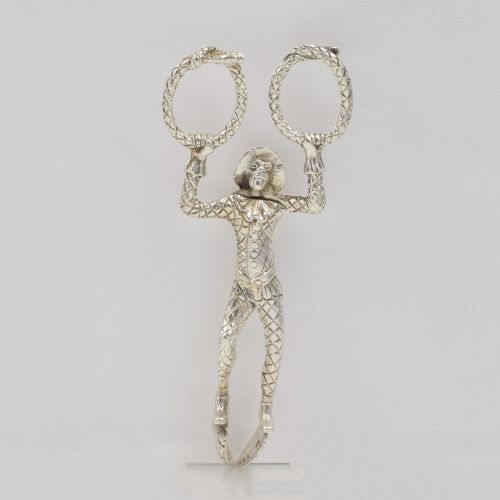
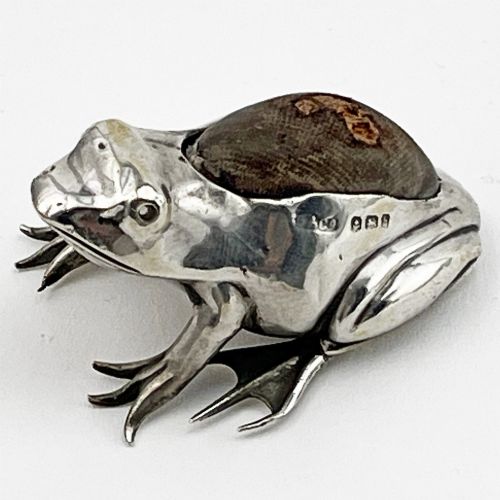
Victorian silversmiths fashioned tiny silver pigs, frogs, and harlequin monkeys into functional pin cushions to amuse sewing enthusiasts.
What varies in quality
The distinction between ordinary and exceptional pieces rests on the crispness of the chasing and the fidelity of the sculptural form. A master silversmith achieved realistic textures and proportions that elevated a simple sewing tool into a miniature work of art.
Preservation of original textile elements, such as faded velvet pads or fitted leather and ormolu cases, significantly impacts desirability. Pieces retaining their clear hallmarks and maker marks command greater appreciation among collectors.
Sampson Mordan·William Neale·Adie And Lovekin·Dee And Fargus·David Andersen·Charles Horner·Walter And George Myers·Hermes Paris
The Collectible Silver Accessory Glossary
- Vesta case
- A small pocket container designed to hold matches safely, typically fitted with a hinged lid and a striking surface on the base. Victorian examples often display elaborate engraved foliate patterns or novelty configurations.
- Caddy spoon
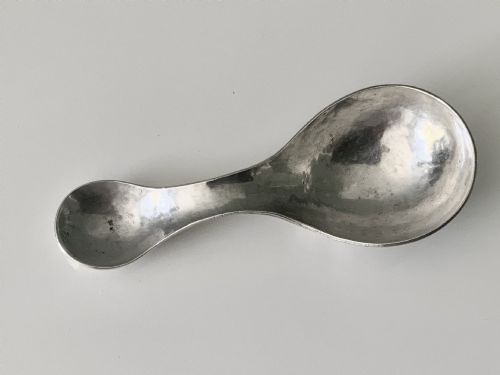
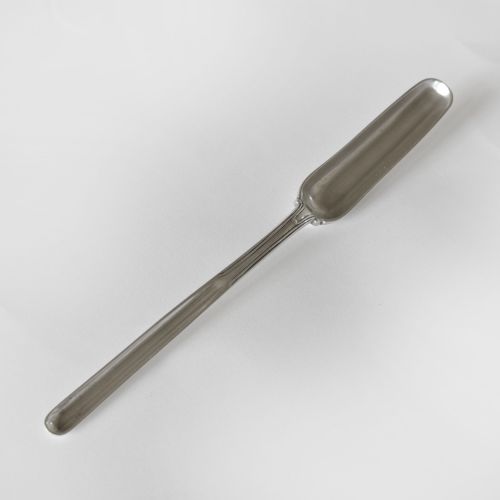
- A short spoon specifically shaped for measuring loose tea leaves into a caddy, featuring a shallow bowl and a decorative handle. These date across the Georgian, Victorian, and later periods in various novelty and traditional patterns.
- Chatelaine
- A decorative belt hook worn from the waist with suspended chains carrying everyday household and sewing implements. They housed items such as thimbles, scissors, and scent bottles.
- Novelty pin cushion
- A small domestic accessory modelled in the likeness of animals, vehicles, or household items to hold sewing pins. They represent a highly collectible branch of silver manufacturing from the Victorian and Edwardian eras.
- Hallmark
- An official stamp applied to precious metals indicating the standard of purity, the assay office of origin, and the date letter. British silver pieces carry these marks to verify authenticity and maker identity.
Collectible Silver Accessory: Frequently Asked Questions
How do I identify a novelty pin cushion?
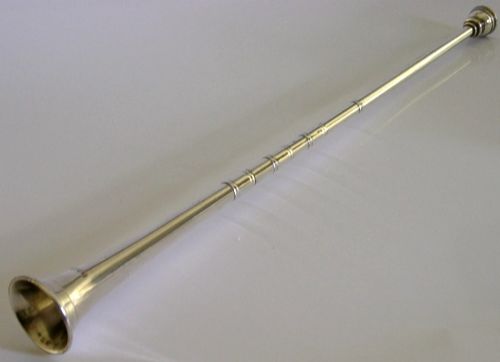
Novelty pin cushions take recognisable shapes such as animals, shoes, furniture, and musical instruments fashioned in solid silver. They contain a stuffed fabric or velvet core designed to hold pins and needles.
Most surviving examples date from the late nineteenth and early twentieth centuries when novelty silver items enjoyed immense popularity in domestic settings. Their charm lies in the detailed miniature rendering of everyday subjects.
What are caddy spoons used for?
Caddy spoons were utilised to measure dry tea leaves from a storage caddy into a teapot during the tea ceremonies of the eighteenth and nineteenth centuries. They feature a short handle and a bowl proportioned for a single serving.
These spoons frequently take unusual forms, including jockey caps, hands, and shell shapes, reflecting the whimsical tastes of their era. Their compact size makes them a distinct focus for silver collectors.
How should I clean antique silver accessories?
Antique silver accessories require gentle maintenance using a non-abrasive silver cloth and mild soapy water to preserve the original patina and fine details. Harsh chemical dips strip away the aged surface character that collectors value.
Items containing velvet, fabric, or enamel must be kept away from water entirely to prevent damage to the organic components. Regular soft dusting is often sufficient for displayed cabinet pieces.