




Collectible Porcelain Lady
A collectible porcelain lady brings the grace of past decades into a modern room, offering finely modelled figurative work in bone china and ceramic.
Collectible Porcelain Lady
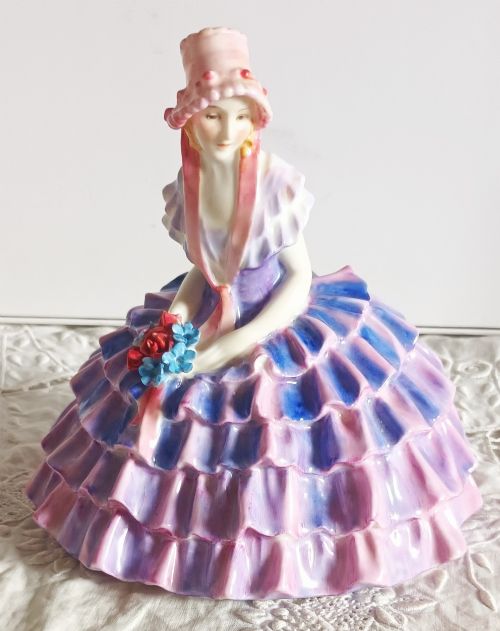
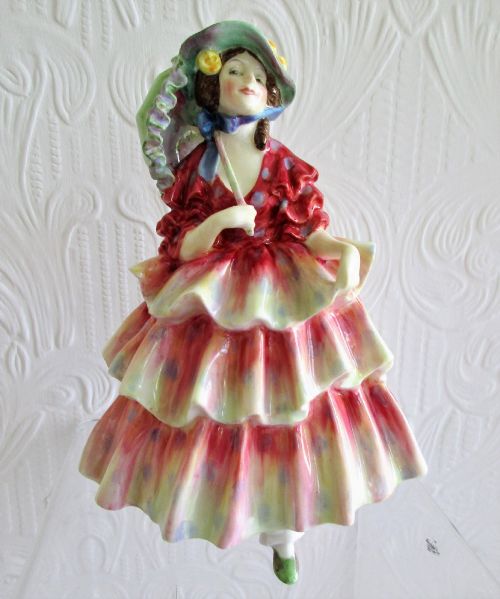
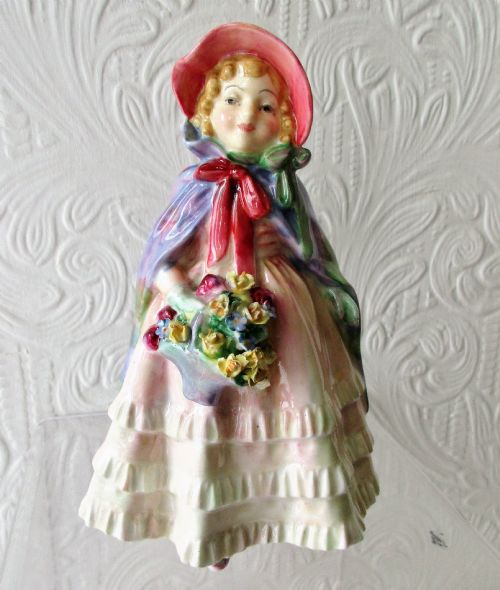
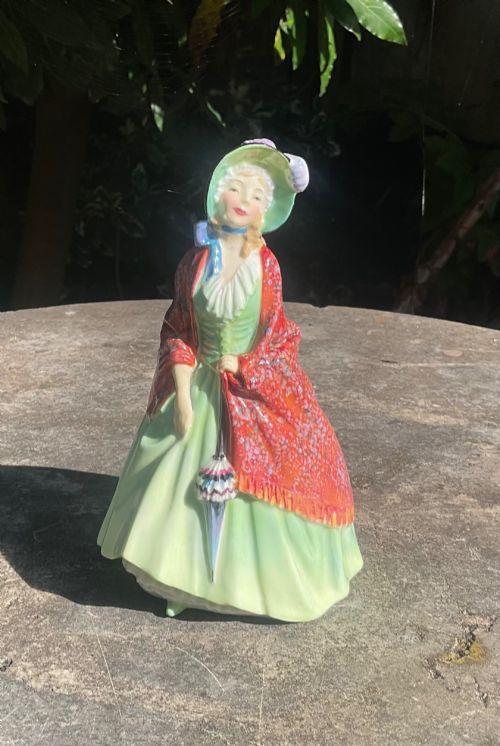
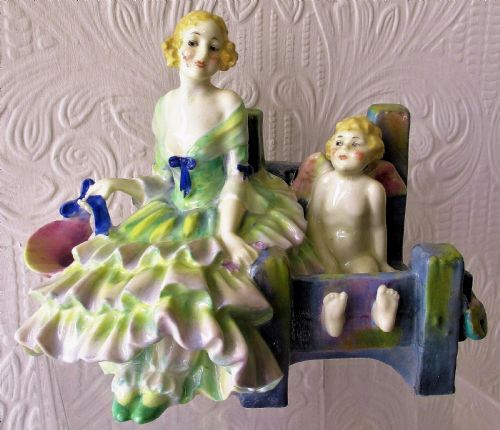
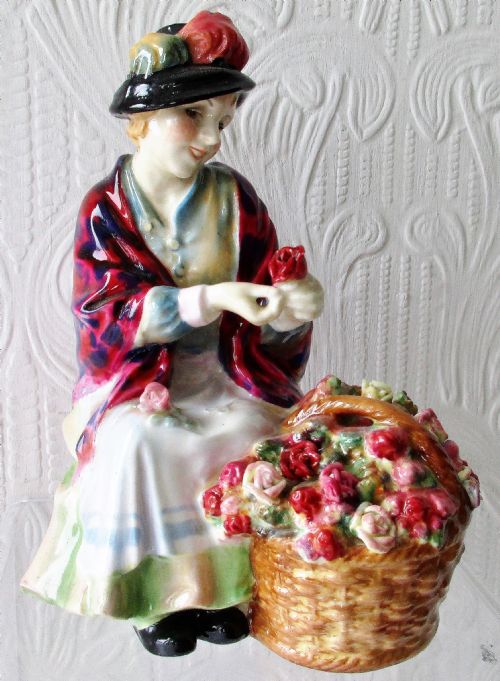
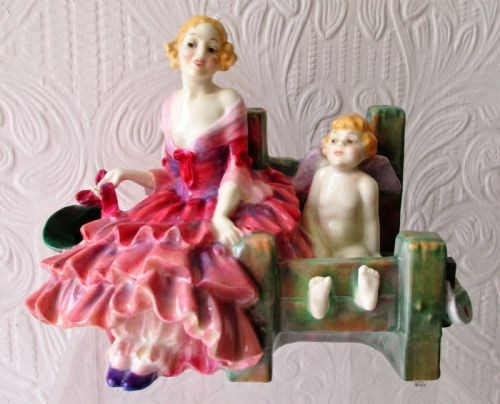
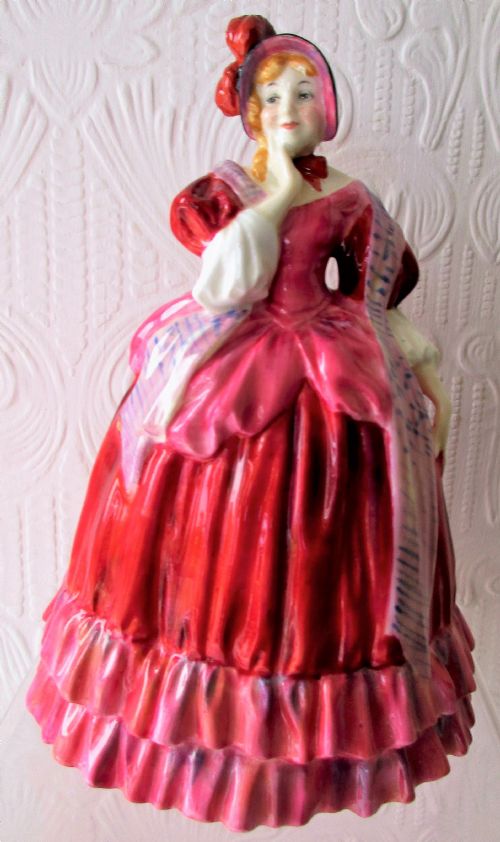
A collectible porcelain lady comprises glazed figures, powder bowls and pin cushion dolls spanning the Victorian era through to the twentieth century. These objects capture the changing fashions of women across different decades, from Edwardian bonneted figures to Art Deco studies.
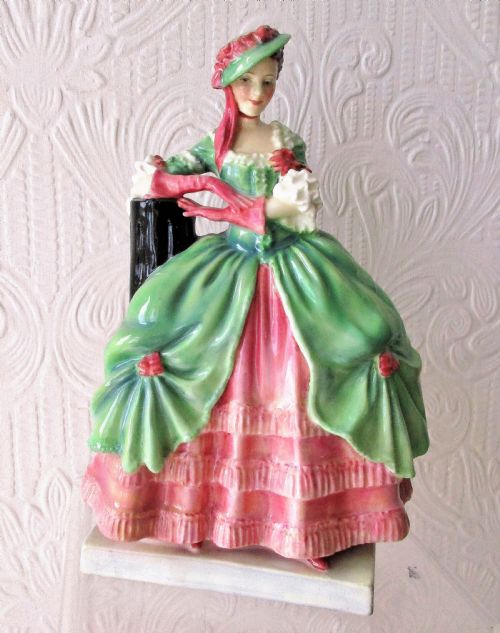
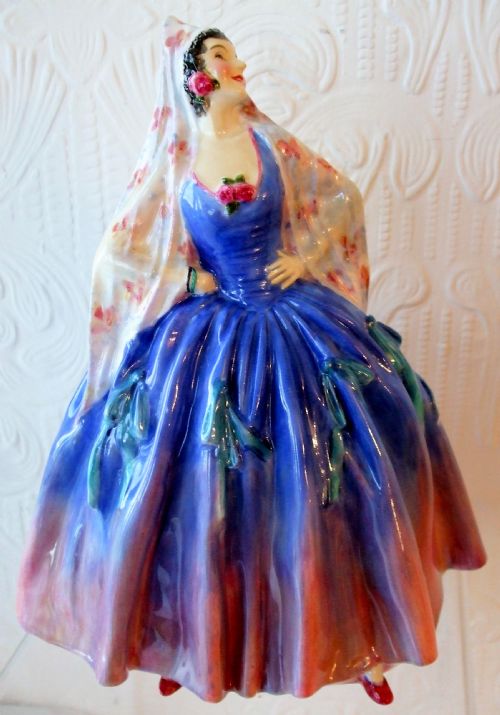
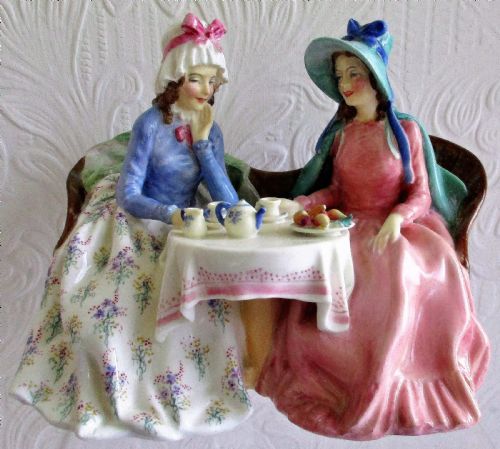
The most common examples encountered here are twentieth-century bone china figurines produced during the nineteen-thirties and nineteen-forties. These pieces frequently depict named female characters dressed in historical or period costume, modelled with careful attention to posture and dress.
Earlier nineteenth-century works also appear, including French porcelain figures from the eighteen-sixties reflecting revivalist tastes. Alongside standard standing models, domestic accessories such as powder bowls incorporate female figures into functional items.
Materials and production methods
Makers utilised fine bone china and standard porcelain body types to cast these figures in moulds before hand-finishing the details. The resulting ceramic bodies provided a stable base for subsequent decorative treatments.
Applied ceramic glaze sealed the surface, often complemented by hand-painted enamel colours and touches of gilt. These glaze layers created either a high-gloss finish or a softer sheen depending on the period and factory standard.
Collectible Porcelain Lady Retail Price Guide 2026
Typical asking prices for collectible porcelain lady among the pieces listed under this phrase on Sellingantiques today, from the lower quarter to the upper quarter. They describe what is for sale here now, not the wider market.
Listings span the Victorian era, Edwardian period, and Art Deco nineteen-thirties, utilising bone china, glazed porcelain, and enamel.
Judging the standard of manufacture
Quality rests primarily on the crispness of the modelling and the precision of the hand-painting on the face and garments. Finer examples display delicate facial expressions and cleanly separated fingers or folds of fabric.
The application of enamel and gilt work further distinguishes better production standards, showing steady brushwork without bleed or fading. Consistency in the glaze coat across complex mouldings also separates standard factory pieces from superior work.
Royal Doulton·Royal Worcester·Samson·Fasold & Stuach
The Collectible Porcelain Lady Glossary
- Bone china
- A type of soft-paste porcelain containing bone ash, known for its strength and slightly milky translucency. This material allows for thin casting without losing structural integrity.
- Pin cushion doll
- Upper torso figure of a woman designed to sit atop a sewing cushion. These small ceramic busts were popular dressing table accessories in the early twentieth century.
- Powder bowl
- A decorative lidded container used for cosmetic face powder, often surmounted by a seated or reclining female figure. The base typically matches the figurative lid in glaze and style.
- Gilt
- A thin layer of gold applied to ceramic details such as hems, hair ornaments or borders. It adds metallic contrast to the painted enamel decoration.
Collectible Porcelain Lady: Frequently Asked Questions
How do I date a porcelain figure?
Dating relies on factory marks stamped or painted on the underside, alongside stylistic clues such as clothing fashions and hairstyle. Twentieth-century pieces often carry specific model numbers or registration letters that narrow down the year of production.
Comparison with documented release periods for named figures helps confirm the era of manufacture. Examining the base unglazed ring also provides insight into the firing techniques characteristic of particular decades.
What is a pin cushion doll used for?
A pin cushion doll served as the decorative upper half of a functional sewing cushion used during the Victorian and Edwardian periods. The ceramic torso was stitched directly into a fabric base filled with stuffing to hold pins and needles.
Today these items are usually collected as standalone shelf ornaments rather than used for sewing. Their small scale makes them accessible examples of early twentieth-century ceramic art.
How should I clean porcelain figures?
Cleaning requires only a soft, dry brush or a slightly damp cloth to remove accumulated dust from crevices. Harsh cleaning agents and abrasive scourers must be avoided to protect the delicate enamel paints and gilt highlights.
Immersion in water should be avoided, particularly for older pieces that may have delicate applied elements or adhesives holding separate parts together. Regular gentle dusting prevents grime from settling permanently into the glaze.
Are powder bowls functional?
Powder bowls were originally designed to hold cosmetic face powder on a dressing table during the first half of the twentieth century. The figurative lid lifted off to provide access to the ceramic basin below.
Modern collectors generally display them as decorative art objects rather than for daily cosmetic use. The figural lids require careful handling when removed to prevent chipping the ceramic rims.