


Collectible Miniature Art
Collectible miniature art condenses grand artistic traditions and precise craftsmanship into intimate scales that command attention through detail alone.
Collectible Miniature Art
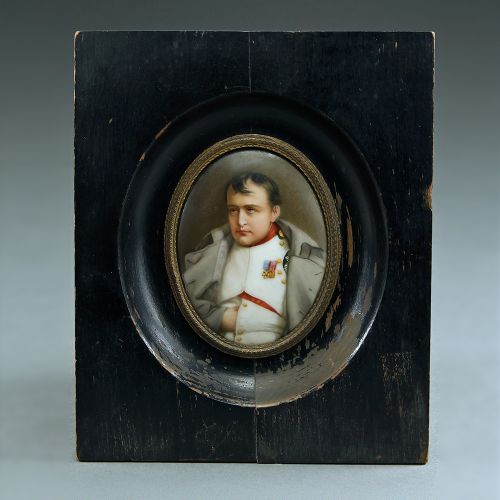
Collectible miniature art encompasses small-scale works ranging from detailed portrait miniatures and painted depictions of historical figures to intricately constructed model ships within glass bottles and carved netsuke.
The pieces on this page draw from periods spanning the eighteenth, nineteenth, and early twentieth centuries, reflecting diverse international origins and traditional methods of diminutive creation.
Buyers frequently encounter utilitarian items elevated by small scale, such as treen shoe snuff boxes and decorative bowls, alongside purpose-built scale models of farm carts, locomotives, and sailing vessels.
Materials and construction methods
Makers utilised wood, glass, brass, and ebonised wood to build sturdy armatures for scale models, diorama housings, and carved objects like cherry amber netsuke.
Fine paint and thread bring detail to portrait miniatures and needlework representations, while sterling silver and enamel combine in presentation folding chairs and decorative vessels.
Glass is shaped into delicate miniature vases and bottles designed to contain complete multi-masted sailing ships.
A craftsman carefully bottled an entire three-mast sailing ship through a narrow glass neck, ensuring the rigging held steady.
Markers of quality
Quality rests upon the precision of execution at a reduced scale, where the discipline required to control paint, carve wood, or assemble mechanical elements determines the success of the piece.
Provenance and signature elevate individual works, such as signed netsuke or documented studio productions, distinguishing standard craft from exceptional masterworks.
The preservation of original materials, from delicate enamel surfaces to glass bottle seals, maintains the integrity and visual impact of each miniature.
Daisy Makeig-Jones Wedgwood Lustre·Daum Frères
The Collectible Miniature Art Glossary
- Netsuke
- A small Japanese carved toggle fastened to the end of a cord attached to a pouch. These pieces are frequently shaped as animals or figures.
- Treen
- Small handmade wooden objects for domestic or personal use. This category includes boxes, snuff containers, and small turned items.
- Diorama
- A three-dimensional scene enclosed within a container, such as a glass bottle. These installations often depict maritime subjects.
- Portrait Miniature
- A small painted likeness executed with fine brushwork on materials like ivory, vellum, or prepared metal.
- Scratch Built
- A model constructed entirely from raw components and individual parts rather than from a commercial kit.
Collectible Miniature Art: Frequently Asked Questions
What is collectible miniature art?
Collectible miniature art comprises small-scale paintings, models, carvings, and decorative objects made across various historical periods. These works concentrate artistic skill and detail into diminutive physical formats.
Items range from delicate glass vases and silver presentation pieces to carved netsuke and bottled ship models. Each piece represents a specific tradition of small-scale craftsmanship.
How were ship models placed inside bottles?
Makers constructed the miniature sailing ships with articulated masts that folded flat against the hull. This allowed the vessel to pass through the narrow neck of the glass bottle.
Once inside, pull-strings or wires erected the masts and secured the rigging into position. The entire assembly rested on a bed representing water or within a custom wooden plinth.
How should I display miniature art?
Miniature art benefits from stable environments away from direct sunlight, which protects delicate paint pigments, thread, and enamel surfaces. Enclosed cabinets or display cases prevent dust accumulation on intricate models and carvings.
Because these objects are small, placing them at eye level on dedicated shelves allows viewers to examine fine brushwork and construction details closely.
How can I tell the period of a piece?
Dating relies on identifying period styles, such as Art Nouveau glass forms, Georgian treen construction, or Arts and Crafts silverwork. Materials, fastening techniques, and signatures also provide chronological clues.
Comparing construction methods against known historical examples helps establish the likely era of manufacture for anonymous items.