



Collectible Metal Sculpture
Collectible metal sculpture brings together animalier figures, desk models and car mascots forged in bronze, brass and spelter across the decades.
Collectible Metal Sculpture
When you search for collectible metal sculpture, you encounter a diverse gathering of small-scale three-dimensional objects ranging from desk models and animal figurines to car mascots. These pieces span periods from the Victorian era through the Edwardian years and into the mid-twentieth century.
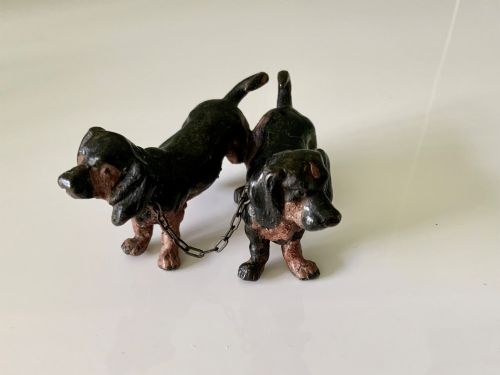
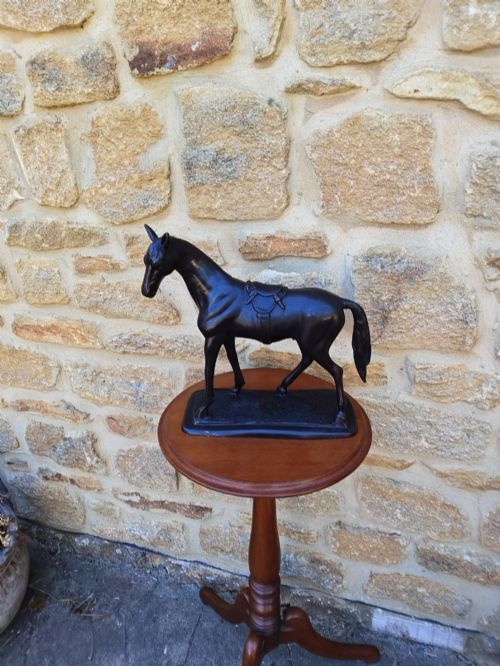
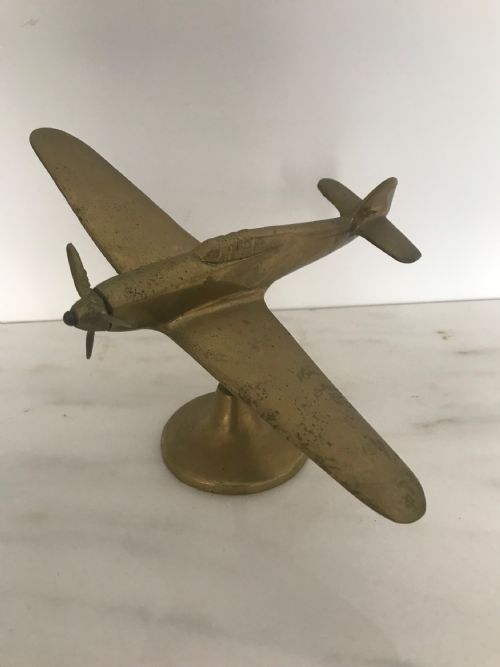
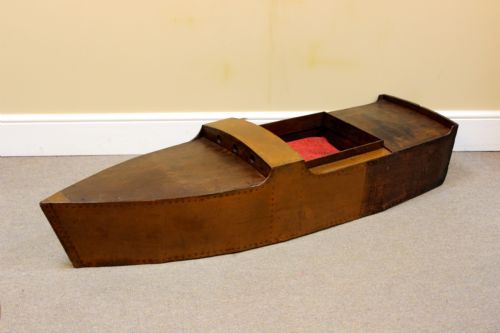
You are most likely to meet animalier bronzes depicting dogs, horses and monkeys, alongside military desk models, nautical model boats and figurative subjects mounted on stone plinths.
The origins of these works cross British, French, Austrian and Asian workshops, reflecting both domestic decorative tastes and international foundry traditions.
How they were made
The makers of these sculptures utilised bronze, brass and spelter, often employing traditional casting methods to shape the molten metal into complex figurative and mechanical forms. Many animal figures and decorative objects received cold painted surface treatments or silvered finishes to enhance their visual detail.
Heavier compositions incorporate bases made from onyx, wood or mixed metals to anchor the sculpture securely, while smaller desk models and mascots combine cast metal elements with hand-finished patination.
Collectible Metal Sculpture Retail Price Guide 2026
Typical asking prices for collectible metal sculpture among the pieces listed under this phrase on Sellingantiques today, from the lower quarter to the upper quarter. They describe what is for sale here now, not the wider market.
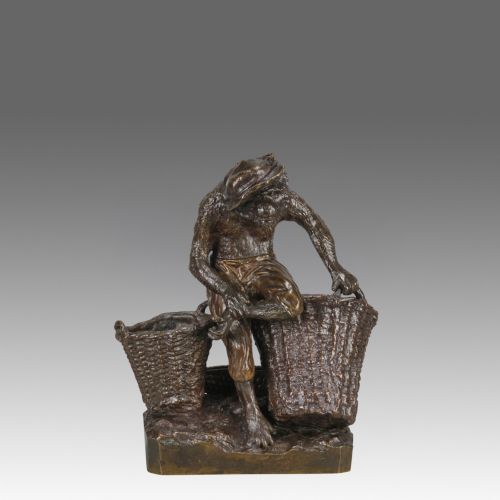
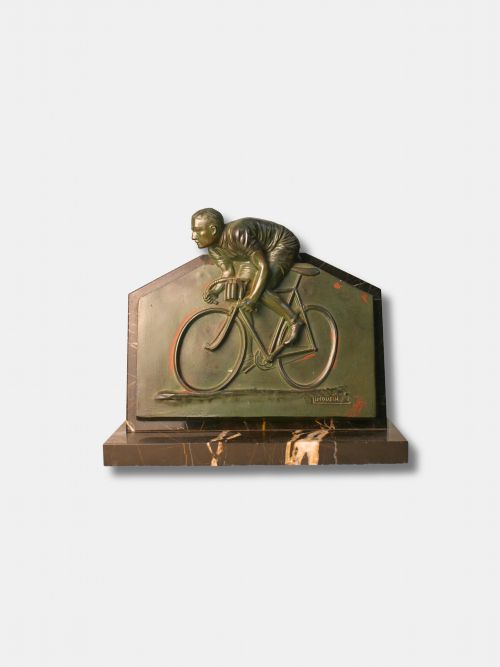
A tiny bronze monkey carrying woven baskets shares cabinet space with a stern Tudor king and a Tour de France cyclist.
What varies in quality
The quality of the material itself and the integrity of the original cold painting or silvering dictate how well the surface has survived years of handling and display.
Christophe Fratin·Franze Bergman·Claire Colinet·AL Barye·Barbedienne
The Collectible Metal Sculpture Glossary
- Animalier
- A nineteenth-century artistic movement focused on the realistic depiction of animals, particularly predators, horses and household pets.
- Spelter
- An alloy of zinc and lead often utilised as a less costly alternative to bronze for figurative casting, commonly finished with a bronze-like patina.
- Cold painted
- A technique where paint is applied to a cold metal object without subsequent firing, frequently seen on Austrian animal bronzes.
- Car mascot
- A sculptural ornament mounted on the radiator cap of a motor vehicle, popular during the early decades of the twentieth century.
- Patina
- The surface coloration and sheen developed naturally through age or applied artificially by the foundry during production.
Collectible Metal Sculpture: Frequently Asked Questions
What is an animalier bronze sculpture?
Animalier bronze sculpture refers to small metal figures created by artists who specialised in realistic animal studies during the nineteenth and early twentieth centuries.
These pieces typically depict dogs, horses, and wild animals captured in natural poses or dynamic movement.
How do I identify a car mascot?
Car mascots are small metal sculptures designed to mount onto the radiator caps of vintage and classic motor vehicles.
They often feature figures, animals, or historical portraits cast in bronze or gilt metal.
What is spelter metal?
Spelter is a zinc-based alloy commonly used for affordable decorative sculptures and figurines during the nineteenth and early twentieth centuries.
Foundries often painted or patinated spelter to resemble solid bronze.
How should I clean metal sculptures?
Metal sculptures require gentle dusting with a soft, dry cloth to protect the surface patina and any cold painted finishes.
Harsh cleaning agents or polishes should be avoided as they remove the aged surface character.
What are desk models?
Desk models are small-scale representations of machinery, aircraft, or ships produced as commemorative or decorative desk ornaments.
These objects are usually cast in solid brass or bronze.