



Collectible Metal Figures
Collectible metal figures bring character to a room through solid bronze, brass, and painted enamel forms crafted across Victorian and twentieth-century periods.
Collectible Metal Figures
When you search for collectible metal figures, you encounter a diverse array of small sculptures, animal figurines, and decorative items forged from bronze, brass, and lead. These pieces originate from distinct eras, ranging from Victorian and Edwardian periods through to the Art Deco and mid-twentieth-century decades.
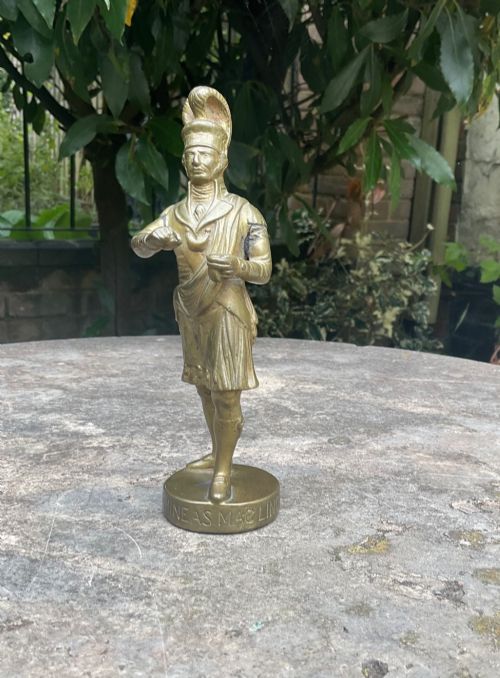
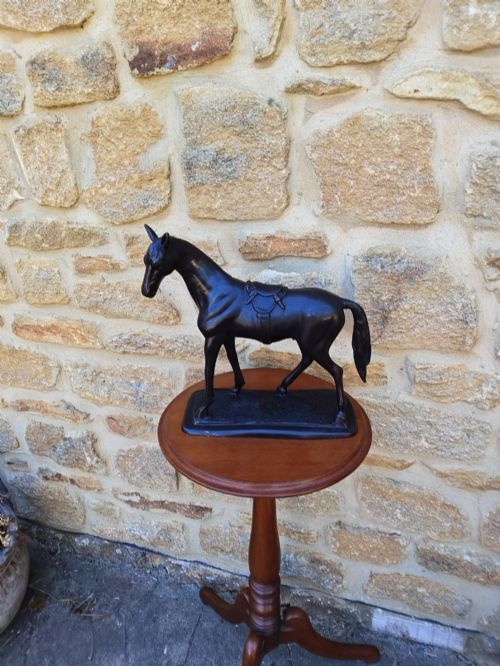
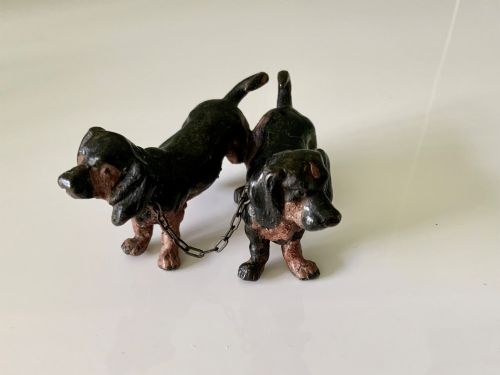
The most common versions met on this page include animalier studies, historical figures, and car mascots cast with detailed finishes. Sculptures depict subjects such as dogs, horses, deities, and knights in miniature, reflecting varied international origins from European workshops to Asian traditions.
Materials and construction
Makers shaped collectible metal figures primarily through casting in bronze and brass, often applying cold-painted enamel, silvering, or vermilion pigment for surface colour. Foundries utilised techniques that allowed intricate detail, from the textured coats of animalier sculptures to the polished surfaces of car mascots.
Some pieces combine metal with carved hard stone or wooden elements, particularly in snuff bottles and specialised statuettes. Patination was carefully applied to metal surfaces to create depth and highlight the contours of the underlying cast material.
Collectible Metal Figures Retail Price Guide 2026
Typical asking prices for collectible metal figures among the pieces listed under this phrase on Sellingantiques today, from the lower quarter to the upper quarter. They describe what is for sale here now, not the wider market.
Listings feature metal figures spanning the Victorian, Edwardian, Art Deco, and mid-twentieth-century periods, utilising bronze, brass, and lead.
Assessing quality
The preservation of original cold-painted enamel, silvering, or patination significantly influences the standard of a piece. Skilled chasing and the presence of maker stamps or foundry marks add distinction to superior works.
Christophe Fratin·Franze Bergman·Claire Colinet·AL Barye·Barbedienne
The Collectible Metal Figures Glossary
- Animalier
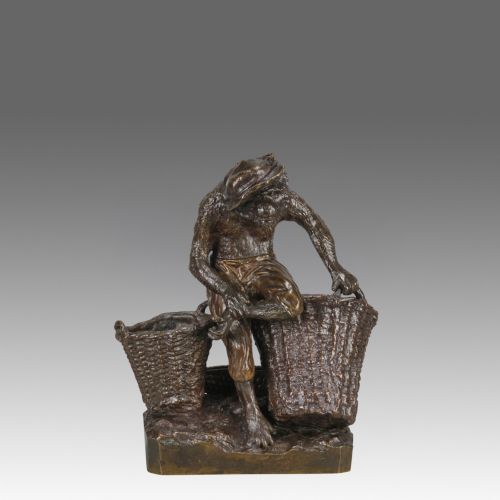
- A nineteenth-century artistic style focusing on the realistic portrayal of animals, particularly predators and domestic beasts. Sculptures in this style capture creatures in dynamic motion or natural repose.
- Vienna Bronze
- A type of small, cold-painted bronze sculpture produced in Austrian workshops during the late nineteenth and early twentieth centuries. These figures are known for their humorous or highly realistic animal and human subjects.
- Car Mascot
- A decorative metal sculpture mounted on the radiator caps of motor vehicles, particularly popular during the early twentieth century. These pieces were cast in bronze or brass to withstand outdoor elements.
- Patination
- The natural or chemically induced surface coloration that develops on metal over time or through intentional treatment. This process enhances the visual texture and protects the underlying material.
- Geschützt
- A German term meaning protected or registered, frequently stamped on Austrian and European bronzes to indicate a reserved design. It functions similarly to a modern trademark.
Collectible Metal Figures: Frequently Asked Questions
What are collectible metal figures?
Collectible metal figures are small-scale sculptures and decorative objects cast in materials such as bronze, brass, and lead. They encompass animal figurines, historical characters, deities, and automotive mascots produced by various international workshops.
These pieces serve as decorative cabinet items or desk ornaments, showcasing historical casting methods and artistic styles from the Victorian era to the mid-twentieth century.
How do I care for bronze figures?
Bronze figures require minimal intervention, needing only gentle dusting with a soft, dry cloth to prevent grime accumulation. Avoid using chemical cleaners, polishes, or abrasive cloths that can strip away original patination or cold-painted enamel.
Keep the items in stable indoor environments away from excessive moisture and direct sunlight to preserve the surface finish over time.
How can I identify the period?
Identifying the period involves examining the stylistic traits, casting techniques, and any accompanying foundry marks or stamps on the metal. Art Deco pieces show geometric lines and silvered finishes, whereas Victorian and Edwardian works often feature naturalistic animalier subjects or ornate historical themes.
Clothing styles on human figures, such as Tudor or Edwardian dress, provide further chronological clues regarding when a piece was conceived.
Where were these figures displayed?
Historically, these figures were displayed on desk tops, mantelpieces, and within specialised collector cabinets in domestic interiors. Car mascots were specifically mounted externally on the radiator caps of automobiles during the early motoring era.
Today, they function as tabletop display pieces in studies, living rooms, and specialised collections.