


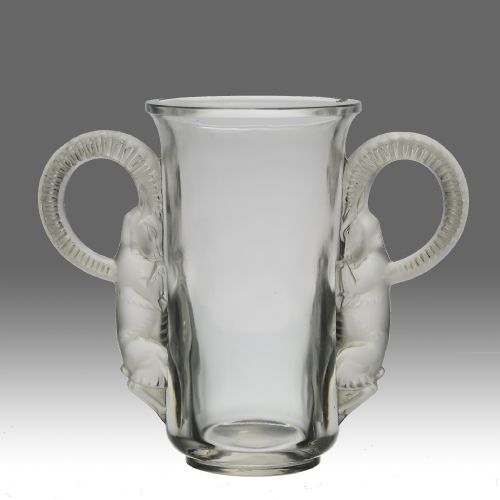


Collectible Lalique Glass
Collectible lalique glass brings tactile Art Nouveau and Art Deco design into your hands through moulded vases, perfume bottles, and decorative bowls.
Collectible Lalique Glass
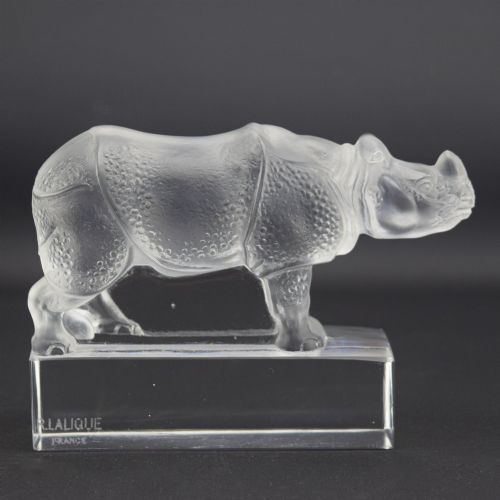
When you search for collectible lalique glass, you encounter objects produced during the early twentieth century, specifically spanning the decades from the nineteen-tens through the nineteen-thirties. The selection centres heavily on functional and decorative forms such as vases, scent bottles, clocks, car mascots, paperweights, bowls, and plates.
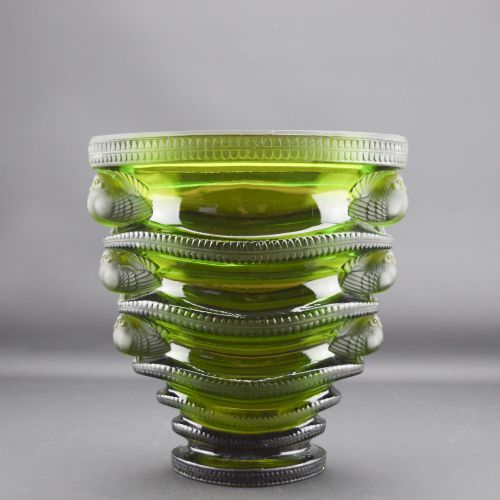
The objects derive from French design movements, primarily featuring the flowing vegetal motifs of Art Nouveau alongside the geometric clarity of Art Deco. Vases like the Saint-Marc and Thibet models appear alongside perfume bottles such as the Bouchon Papillons and Pavot editions.
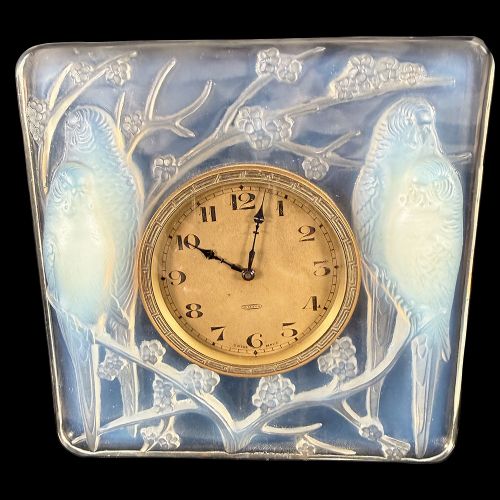
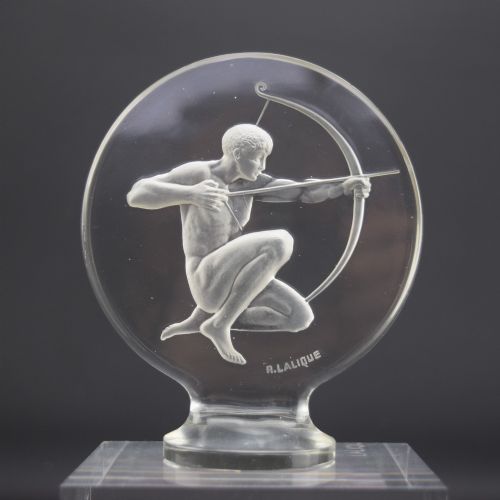
Vases and decorative plates dominate the groupings, often showcasing opalescent or frosted finishes that define the tactile nature of these pieces. Collectors also find specialised items like ashtrays, decanters, candlesticks, and hood ornaments including the Archer and Tete de Paon mascots.
Materials and production techniques
Makers utilised glass as the primary medium, working with clear, frosted, and opalescent varieties to achieve contrasting light effects across each surface. Frosted and opalescent treatments diffuse light softly, creating milky highlights or blue-and-orange fire when backlit.
Moulded glass techniques allowed workshops to shape intricate low-relief figures and repeating botanical patterns directly into vases, bowls, and plates. Artisans enhanced these moulded details using sepia stain, red staining, or enamel to draw out the fine lines of birds, fish, floral stems, and geometric borders.
Materials recorded across the selection include opalescent glass, frosted glass, sepia stain, enamel, and paper.
What separates examples in quality
The visual depth of the opalescent effect and the clean application of sepia or red staining dictate the aesthetic success of individual pieces. Well-preserved original boxes accompanying scent bottles or intact paper labels add historical completeness to specific items.
Rene Lalique·R Lalique·René Lalique·Roger and Gallet
The Collectible Lalique Glass Glossary
- Opalescent glass
- Glass that displays a milky blue appearance by transmitted light and a warm yellowish or orange tone by reflected light. This optical property creates shifting colour nuances across curved moulded surfaces.
- Frosted glass
- Glass treated to impart a textured, matte surface that diffuses light and obscures direct visibility. It contrasts sharply against clear polished sections in Art Deco and Art Nouveau designs.
- Car mascot
- A sculptural ornament mounted on the radiator cap of a motor car during the early twentieth century. Glass versions were produced as illuminated or solid hood ornaments.
- Sepia stain
- A dark brown pigment applied to recessed areas of moulded glass to accentuate surface details and relief carving. It adds tonal depth to botanical and figurative motifs.
- Coupe ouverte
- An open bowl shape utilised for serving or display purposes. These pieces frequently feature repetitive moulded animal or floral motifs along the rim and exterior.
Collectible Lalique Glass: Frequently Asked Questions
What periods do these glass pieces date from?
The recorded items date from the early twentieth century, spanning the decades of the nineteen-tens, nineteen-twenties, and nineteen-thirties.
These years encompass the transition from organic Art Nouveau styles into geometric Art Deco forms.
How were perfume bottles used originally?
Perfume bottles contained commercial fragrances produced by Parisian perfumers and design houses during the interwar period.
Many utilised specialised stoppers, such as the butterfly motif found on the Bouchon Papillons bottles, to seal the contents tightly.
What are car mascots?
Car mascots served as decorative hood ornaments mounted on motor vehicles during the nineteen-twenties and nineteen-thirties.
Sculptural glass figures like the Archer or Tete de Paon transformed functional automobile accessories into miniature works of art.