






Collectible Ceramic Dish
A collectible ceramic dish brings both historic craftsmanship and vibrant colour to a room, offering functional art from the nineteenth and twentieth centuries.
Collectible Ceramic Dish
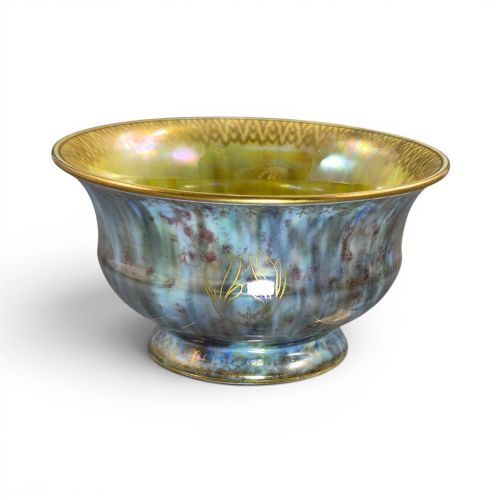
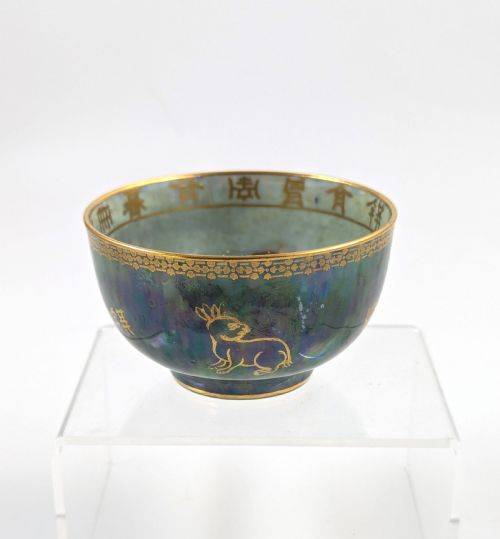
A collectible ceramic dish encompasses various decorative bowls, cabinet plates, serving dishes, and powder bowls spanning multiple historical periods. Buyers examining this page will frequently encounter nineteenth century and early twentieth century works alongside Art Deco and Arts and Crafts examples.
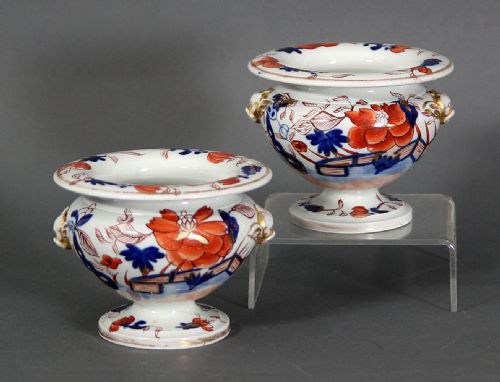
The selection ranges from cabinet plates and dessert plates to miniature bowls, salt cellars, and commemorative pottery dishes. These items reflect distinct eras including the Edwardian period, the nineteen-twenties, and the Georgian era.
Makers and factories represented across these varied forms include Wedgwood, Minton, Moorcroft, Meissen, Cauldon Ltd, and Royal Crown Derby. Each piece showcases the specific decorative vocabulary of its respective period, from floral hand-painting to lustre glazes.
Materials and production techniques
Potters utilised fine porcelain, earthenware, and ironstone china as the primary foundations for these vessels. These ceramic bodies were shaped into plates, bowls, and salts before receiving surface decoration.
Glazes, enamel, gilt, and gold leaf were applied to the surfaces to create rich colours and metallic highlights. Skilled artists then hand-painted specific patterns, including botanical studies, pictorial scenes, and fantasy motifs.
Specialised techniques such as lustre glazing involved metallic oxide films fired onto the ceramic body to produce an iridescent finish. Hand-painted details were meticulously executed by named artists working within established potteries.
Collectible Ceramic Dish Retail Price Guide 2026
Typical asking prices for collectible ceramic dish among the pieces listed under this phrase on Sellingantiques today, from the lower quarter to the upper quarter. They describe what is for sale here now, not the wider market.
Materials recorded across the inventory include porcelain, glazed earthenware, enamel, gilt, and gold leaf.
Distinguishing quality and execution
The distinction between standard production and top-tier examples lies in the complexity of the hand-painting and the sophistication of the glaze. Pieces painted by recognised artists or produced in specialised lines exhibit superior artistic control and refined detailing.
The preservation of delicate elements such as gold leaf, gilding, and enamel work heavily influences the overall standard of a piece. Finer items maintain crisp lines and vibrant colours without the fading or heavy wear seen in lesser examples.
The artistic ambition behind the form, whether an intricate lustre dragon design or a finely rendered floral cabinet plate, dictates the standing of the work within its period.
Wedgwood·Minton·Moorcroft·Meissen·Cauldon Ltd·Royal Worcester·Royal Crown Derby·Mason
The Collectible Ceramic Dish Glossary
- Lustre
- A ceramic glaze containing metallic oxides that produces an iridescent, reflective surface when fired. This technique was used to great effect on early twentieth century decorative bowls.
- Cabinet plate
- A decorative plate intended for display in a cabinet rather than for everyday dining use. These pieces often feature elaborate hand-painted scenes or rich gilding.
- Ironstone china
- A type of durable earthenware patented in the nineteenth century that combined the qualities of pottery and porcelain. It provided a robust body for serving dishes and tableware.
Collectible Ceramic Dish: Frequently Asked Questions
How do I care for antique ceramic dishes?
Wash antique ceramic dishes gently by hand using lukewarm water and a mild detergent when cleaning is necessary. Avoid soaking pieces with gilt or enamel decoration to protect the delicate surface layers from deterioration.
Display these items away from direct sunlight to prevent the fading of hand-painted colours and gold leaf over time. Handle them carefully by the rim or base, supporting the full weight of the dish.
Were these decorative bowls used daily?
Many cabinet plates and decorative bowls were created primarily for display rather than functional dining purposes. Their intricate hand-painted designs and delicate gilding made them unsuited for heavy everyday use.
Other forms such as serving dishes and side plates saw actual domestic service before entering collections as decorative objects. The presence of light surface wear often points to this historical use.
How do I identify the period of a ceramic dish?
Examine the backstamp or factory mark stamped or painted onto the base of the ceramic piece. Reference books and factory archives often date these marks to specific decades or eras.
Consider the stylistic indicators such as the geometric lines of Art Deco or the floral motifs of the Edwardian period. The combination of paste type, glaze characteristics, and decorative style helps narrow down the date of manufacture.
What is a powder bowl?
A powder bowl is a covered container traditionally used on a dressing table to hold cosmetic face powder. These lidded vessels often feature decorative figural or abstract motifs characteristic of their manufacturing era.
During the Art Deco period, powder bowls frequently incorporated theatrical or stylized figures on the lid. They combined practical vanity use with vibrant decorative appeal.