





Collectible Ceramic Bowl
A collectible ceramic bowl brings rich colour and enduring craft into a room, spanning delicate eighteenth-century tea wares and vibrant twentieth-century lustre.
Collectible Ceramic Bowl
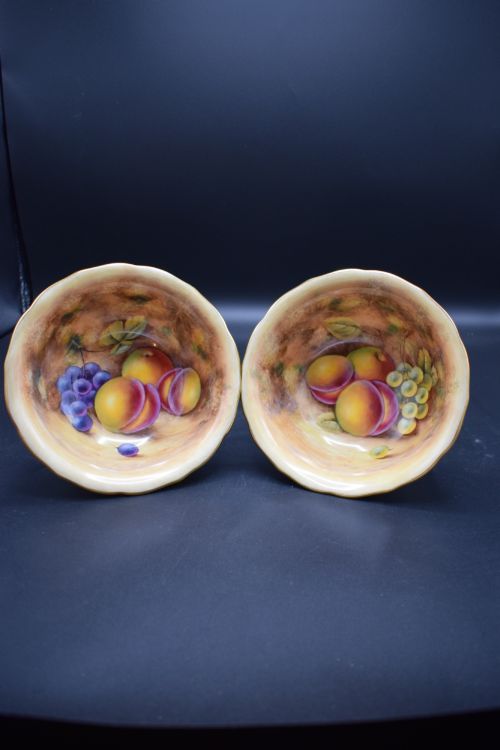
Every collectible ceramic bowl on this page represents a distinct period of domestic display, utilitarian dining, or vanity storage, drawing from centuries of British and European pottery traditions. A buyer searching this phrase encounters everything from Georgian tea bowls to bold Art Deco powder bowls and robust Arts and Crafts serving vessels.
The nineteenth and twentieth centuries dominate the selection, particularly through renowned lustre wares and tube-lined earthenwares. Forms range from miniature bowls and deep fruit vessels to commemorative dishes and delicate saucers.
Earlier pieces provide a glimpse into eighteenth-century porcelain manufacture, while Edwardian and 1930s examples showcase the shifting aesthetic priorities of domestic interiors. Each object retains a clear functional purpose or decorative intent shaped by its original era of manufacture.
How they were made
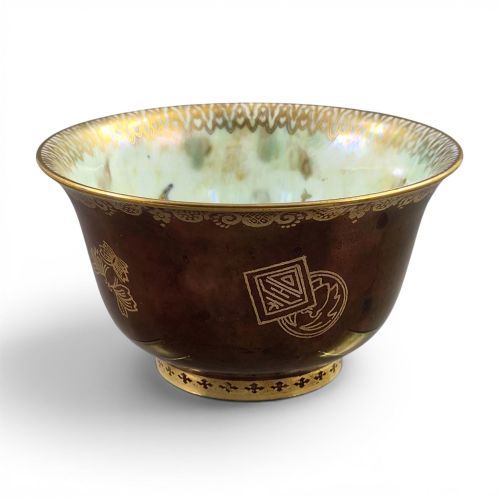
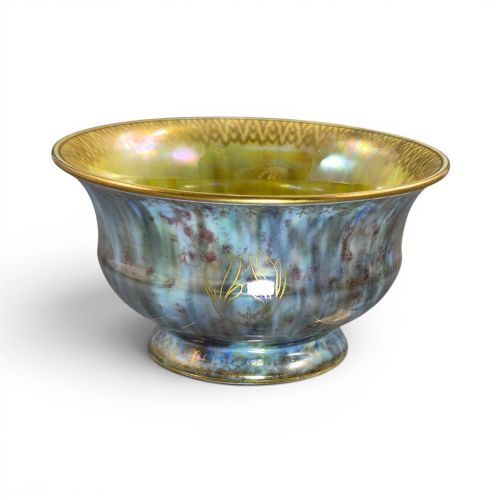
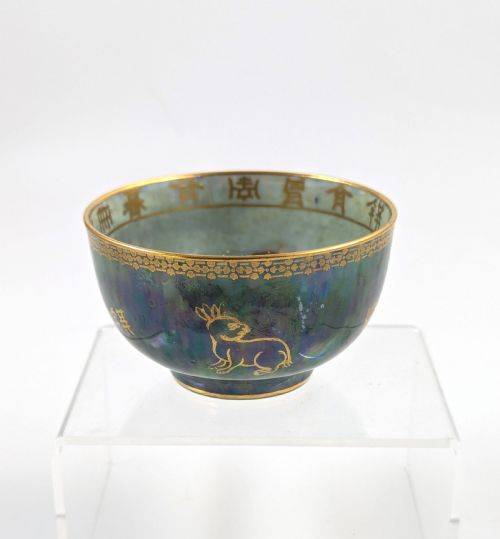
Potters shaped these vessels using earthenware, porcelain, and glazed bodies, applying intricate surface decoration through hand-painting, transfer printing, and specialised glazing techniques. Lustre glazes impart a metallic sheen, while gold leaf and gold gilding add reflective highlights to the ceramic surface.
Specialised firing methods fixed complex pigments and metallic oxides onto the clay body, producing rich colour effects such as ruby, green, and blue. Certain twentieth-century pieces employ raised tube-lining to partition distinct areas of enamel glaze before final firing.
Collectible Ceramic Bowl Retail Price Guide 2026
Typical asking prices for collectible ceramic bowl among the pieces listed under this phrase on Sellingantiques today, from the lower quarter to the upper quarter. They describe what is for sale here now, not the wider market.
Listings span Earthenware and Porcelain materials across the 18th Century, 19th Century, Edwardian period, 1910, 1920, and 1930.
What varies in quality
The refinement of the ceramic body and the precision of the hand-painted or glazed detail distinguish standard domestic wares from exceptional studio output. Hand-applied gold gilding and complex lustre effects require steady execution by skilled decorators.
Depth of glaze colour, clarity of transfer printing, and the crispness of moulded or tube-lined relief define the visual success of each piece. Surviving examples that retain their original vibrance without extensive wear demonstrate superior original materials and careful preservation.
Wedgwood·Maling·Moorcroft
The Collectible Ceramic Bowl Glossary
- Lustre Glaze
- A ceramic glaze containing metallic salts that produce an iridescent or metallic sheen upon reduction firing. This technique creates shimmering surface effects found on early twentieth-century decorative pieces.
- Porcelain
- A hard, fine-grained ceramic material fired at high temperatures until vitrified and translucent. Eighteenth-century tea bowls often utilise this delicate substance.
- Earthenware
- Porous pottery fired at lower temperatures, requiring an impermeable glaze to hold liquids. It serves as the primary body for many twentieth-century decorative bowls and commemorative dishes.
- Gold Gilding
- The application of fine gold leaf or gold paint to ceramic surfaces for decorative accent. It highlights rims, handles, and painted motifs.
- Tea Bowl
- A small, handleless drinking vessel originating from early ceramic traditions. Eighteenth-century examples frequently include a matching saucer.
Collectible Ceramic Bowl: Frequently Asked Questions
How do I date a ceramic bowl?
Dating relies on stylistic markers, backstamps, and the specific material composition associated with known periods such as the Edwardian era or the 1930s. Examining the potting technique and glaze style helps place the piece within its historical context.
Comparing known works by specific potteries or designers provides further chronological clarity. Subtle shifts in palette and decorative motifs often distinguish earlier Victorian examples from later Art Deco pieces.
Were these bowls used daily?
Many items, particularly tea bowls, saucers, and serving dishes, served active roles in domestic dining and hospitality. Powder bowls and decorative plates occupied dressing tables and formal reception rooms.
Usage varied according to fragility, with delicate porcelain tea wares reserved for special occasions. Robust earthenwares accommodated more regular household handling.
How should I clean my bowl?
Gentle dusting with a soft, dry cloth preserves delicate surfaces, gold gilding, and lustre glazes. Harsh chemical cleaners and abrasive scrubbing must be avoided entirely.
Hand washing in lukewarm water with mild soap is suitable only for durable glazed earthenwares without metallic highlights. Submerging antique porcelain or pieces with gold leaf risks permanent surface damage.
What defines Art Deco ceramics?
Art Deco ceramic design embraces geometric patterns, stylised figures such as Pierrots, and vibrant, flat planes of colour. These pieces reflect the modernising aesthetic of the 1930s.
Forms became bolder and more sculptural, moving away from historic revival styles. Glaze palettes shifted towards striking contrasts and glossy finishes.