
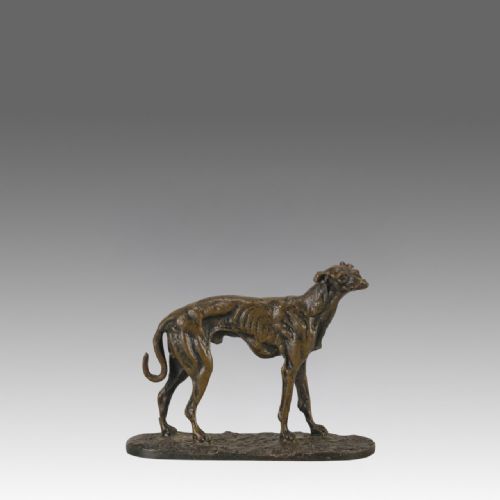

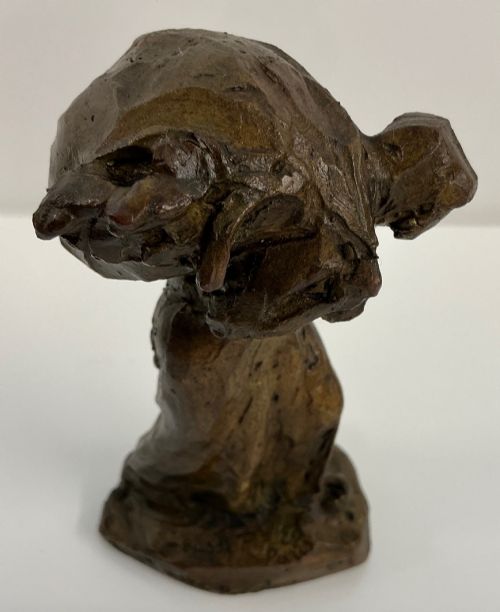


Collectible Bronze Figure
A collectible bronze figure brings small-scale sculpture and animal studies into a room, offering tactile metalwork spanning the nineteenth and twentieth centuries.
Collectible Bronze Figure
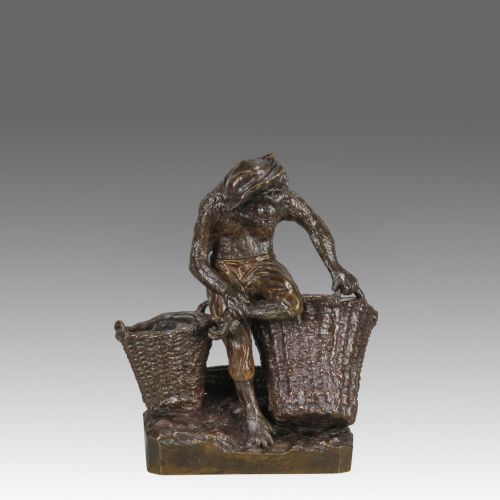
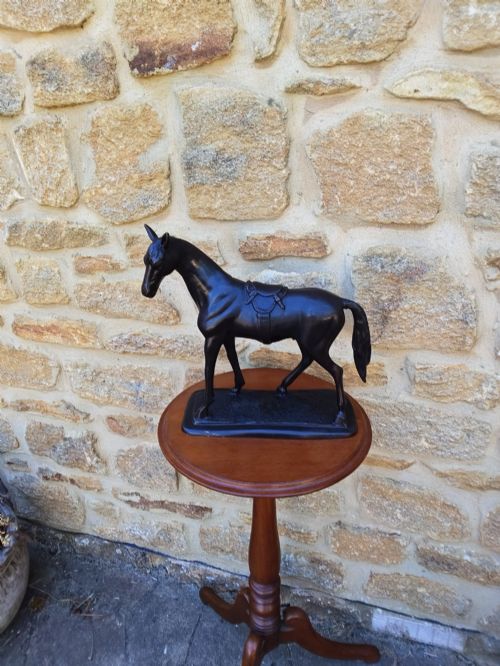
A collectible bronze figure encompasses small sculptures, statuettes, and animal figurines produced across the nineteenth and twentieth centuries. These pieces range from domestic dogs and wildlife studies to human figures and deities.
The selections encountered here frequently draw upon French animalier traditions, Art Deco aesthetics, and Vienna bronze production. Works span Victorian, Edwardian, and later modernist movements.
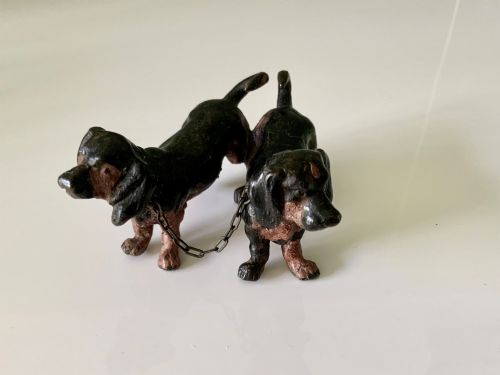
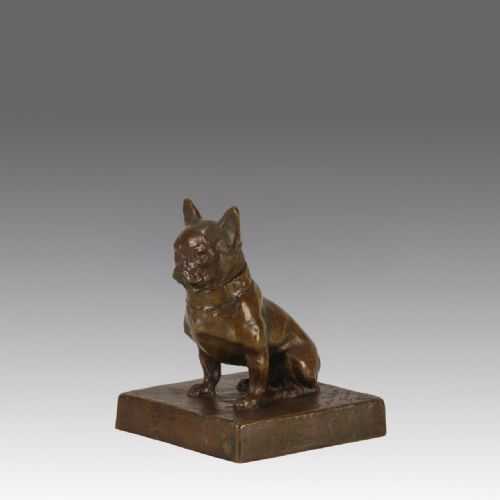
Domestic animals form a prominent portion of the available pieces, featuring specific breeds such as dachshunds, greyhounds, and bulldogs. Human subjects and mythological icons also appear within the broader scope of these metal sculptures.
Materials and casting methods
Pieces are primarily cast in bronze, often paired with bases made of marble or stone. Some examples incorporate brass, silvered finishes, or cold-painted enamel details.
Surface treatments play a vital role in the final appearance, utilising patination techniques to alter the tone of the metal. Vermilion pigment and painted highlights add colour to specific Vienna bronzes and cold-painted works.
Current listings feature pieces spanning the nineteenth century through the Art Deco period, utilising marble, stone, and cold-painted enamel.
Distinctions in craftsmanship
The application and preservation of the original patina or cold-painted finish greatly influence the visual integrity of a work. Skilled surface finishing enhances depth and mimics natural tones effectively.
Christophe Fratin·Dora Heber·P J Mêne·Jules Dalou·Julien Lorieux·Aristide Maillol·Edith Parsons·Elizabeth Anna Clapp·Joseph Francois Victor Chemin·Franze Bergman·Antoine Bofill·Claire Colinet·A L Barye·Barbedienne
The Collectible Bronze Figure Glossary
- Animalier
- A nineteenth-century artistic movement focused on the realistic depiction of animals. Sculptors in this style studied animal anatomy closely.
- Patina
- The chemical or natural coloration on the surface of bronze. It protects the metal and provides aesthetic depth.
- Cold-Painted
- A technique where paint is applied to a bronze object after casting without being fired in a kiln. This method is particularly associated with Vienna bronzes.
- Geschützt
- A German term meaning protected or registered, often stamped on bronzes to indicate copyright or design registration.
- Statuette
- A small figurine or statue, typically designed for tabletop display rather than monumental placement.
Collectible Bronze Figure: Frequently Asked Questions
What is an animalier bronze figure?
An animalier figure is a sculpture depicting animals, particularly popular in nineteenth-century France. These works focus on anatomical accuracy and natural movement.
Artists observed creatures in motion, capturing dogs, horses, and wildlife with high realism.
How do I care for a bronze sculpture?
Bronze requires minimal maintenance, typically needing only gentle dusting with a soft cloth. Avoid harsh cleaning products that can strip the patination.
Keeping pieces away from excessive moisture preserves the stability of the metal and stone bases.
What does cold-painted mean?
Cold-painted bronze refers to items painted after the metal casting process without high-temperature firing. This technique allowed makers to achieve vibrant multicoloured finishes.
These pieces require careful handling to prevent the applied paint from chipping over time.
Are all bronze figures marked with signatures?
Not every piece carries a foundry mark, signature, or stamp. Many smaller or anonymous studio works were produced without identifying foundry stamps.
Stylistic markers and casting quality often help identify the period and origin when signatures are absent.