


Collectible Art
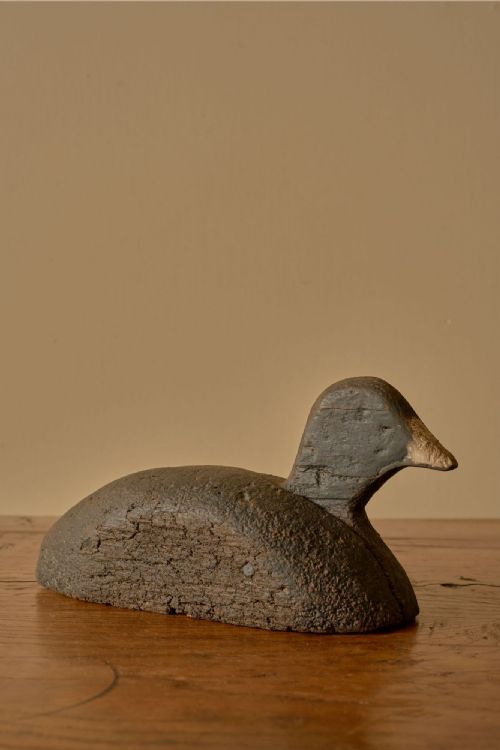
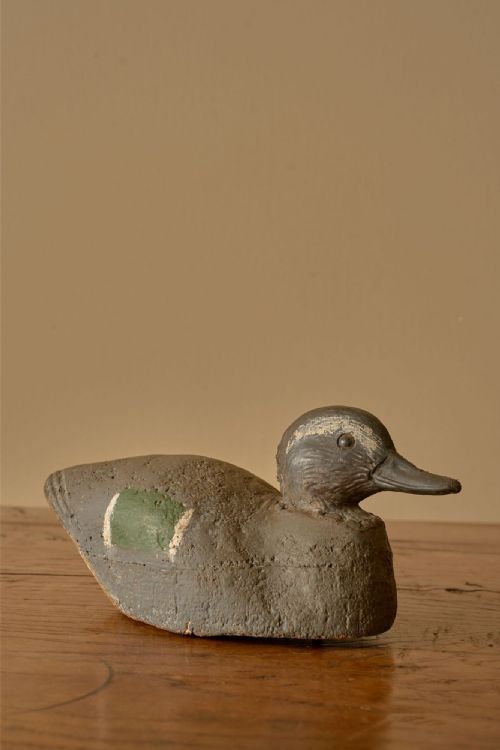
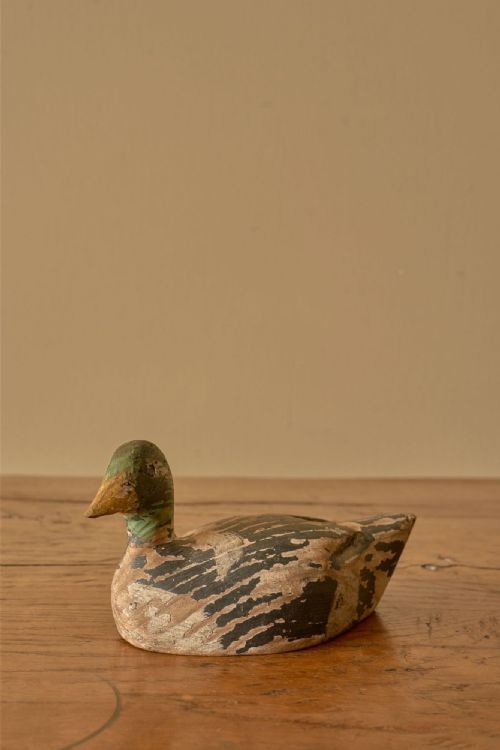
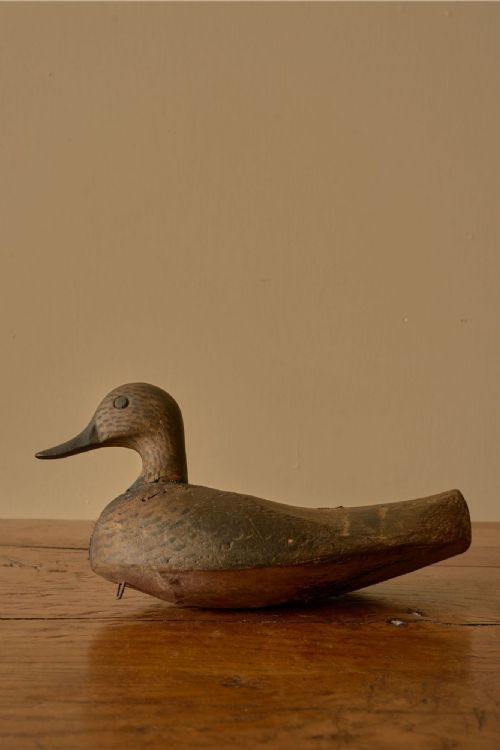
These pieces of collectible art encompass everything from wood decoy ducks to silver pocket watches, offering tangible connections to past centuries.
Collectible Art
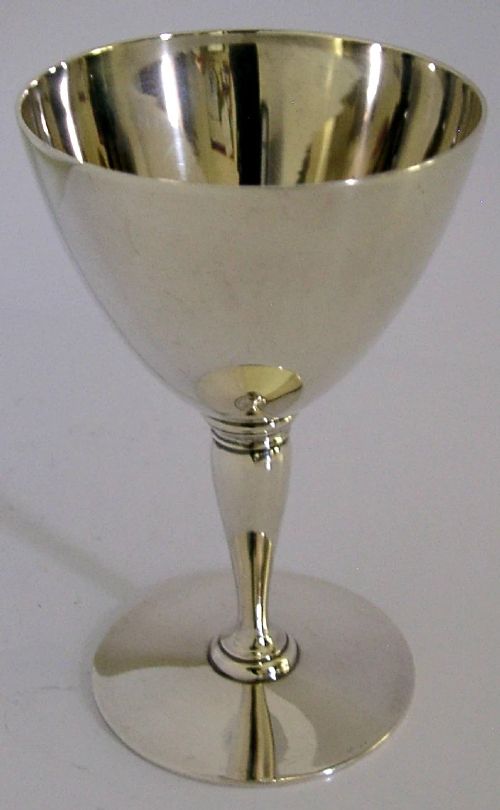
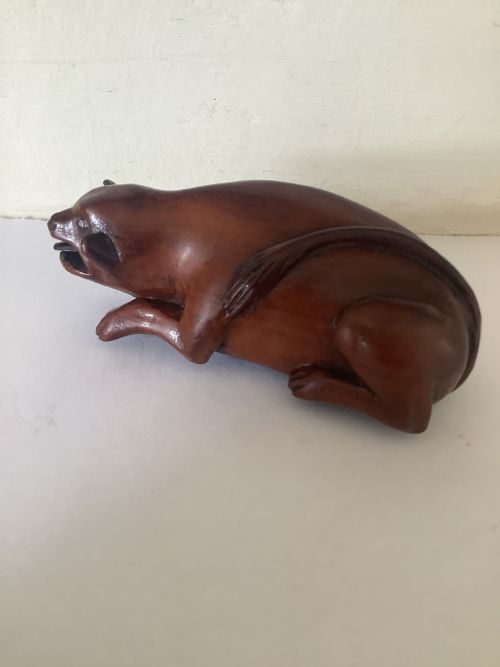
Collectible art covers a broad spectrum of portable objects, decorative pieces and works on paper produced across the nineteenth and twentieth centuries. A buyer searching this phrase encounters items ranging from early twentieth century decoy ducks and carved wooden netsukes to Art Deco table lighters and mid-century lithographs.
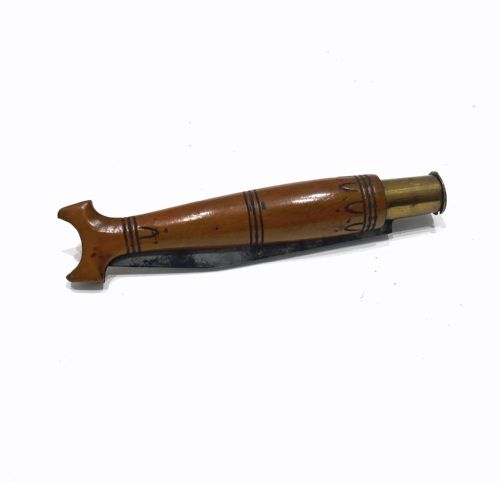
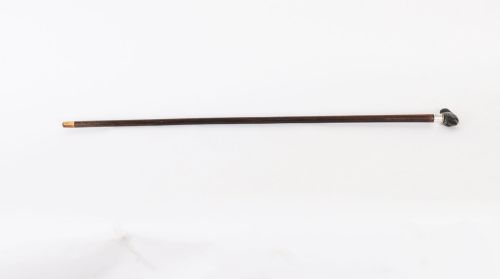
The objects span diverse categories including glassware, earthenware, metalware, walking sticks, snuff boxes and porcelain figurines. Pieces from the Edwardian period, the 1920s and the 1960s appear frequently alongside nineteenth century examples.
Among the most visible forms on this page are functional or decorative items carrying distinct stylistic markers from periods like Art Nouveau, Art Deco and English Folk Art. Whether looking at a glass vase, a pocket watch or a framed print, the pieces represent specific traditions of craftsmanship and design.
How They Were Made
Materials dictate the manufacturing methods behind these objects, with hardwoods, cast metals, fine glass and earthenware dominating the selection. Woodcarvers utilised traditional tools to shape decoy ducks, snuff boxes and treen toys, while ceramic artists employed glazing and hand painting techniques on earthenware and porcelain.
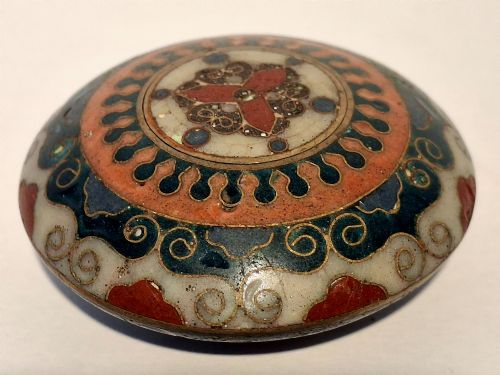
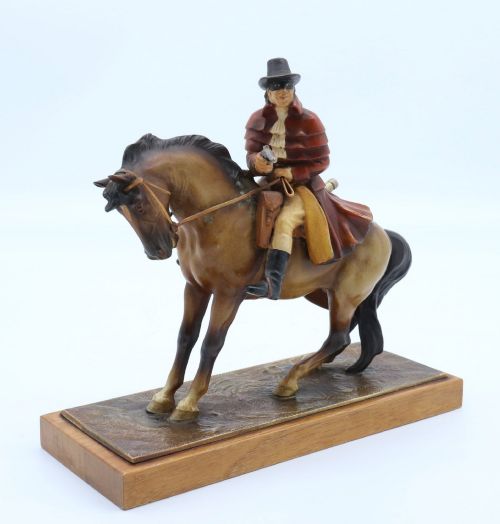
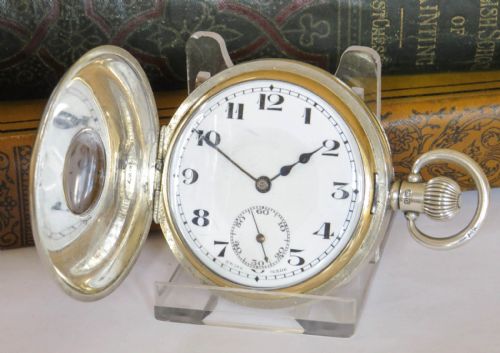
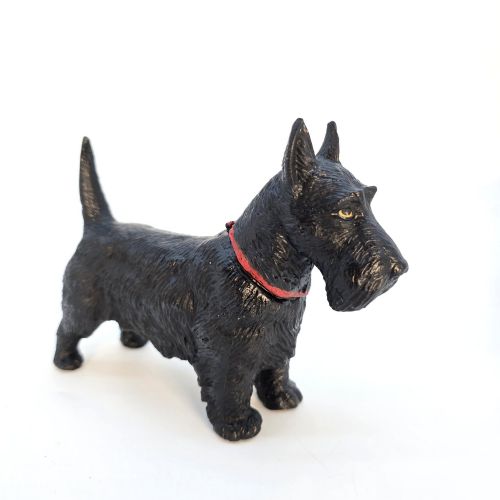
Metalworking techniques vary from the precision casting seen in brass desk models and silver pocket watches to the delicate cloisonné enamelling applied to Japanese pieces. Glass items utilise moulding and cameo techniques, exemplified by works from makers working in the nineteenth and twentieth centuries.
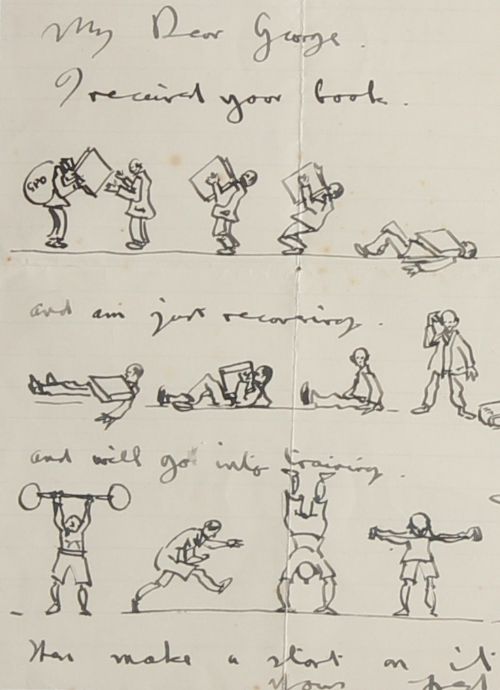
Paper works rely on printmaking methods such as lithography and pochoir, capturing ink and watercolour drawings or limited edition prints. Each material requires distinct handling during production, preserving the physical characteristics visible in these listings.
Listings feature works from the 19th Century, Edwardian era, 1920s, 1930s and 1960s, executed in wood, glass, brass and earthenware.
What Varies in Quality
Execution and detail separate simpler items from superior examples across all categories, visible in the precision of a woodcarving or the crispness of a cast metal lighter. Signed pieces and works attributed to known makers or potteries demonstrate higher levels of artistic intent and technical skill.
The preservation of original surfaces, glazes, paintwork and patination influences the overall standard of an object. Items retaining their original finish without excessive intervention hold greater integrity than those with heavy restoration or altered components.
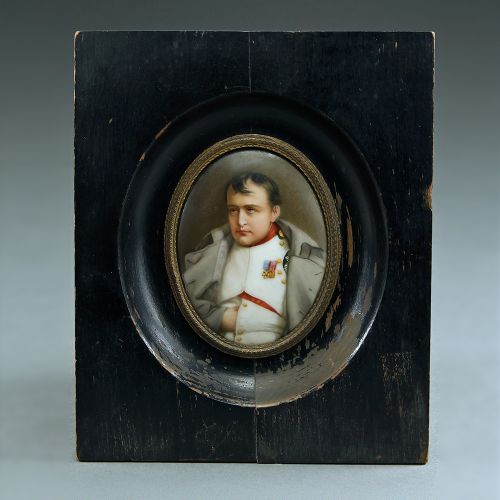
Design complexity and materials also determine standing within the range, such as the intricate multi-layered colours in cameo glass or the fine brushwork on hand painted miniatures and ceramics.
Royal Doulton·Tiffany and Co·Rene Lalique·Daum Freres·Charles Vyse
The Collectible Art Glossary
- Treen
- Small handmade wooden objects produced from the sixteenth century onwards. These items include everyday household articles, toys and small boxes.
- Lithograph
- A printmaking process based on the incompatibility of grease and water. Artists draw on stone or metal plates to produce multiple impressions.
- Vesta case
- A small portable container designed to hold matches safely. They were commonly made of silver or brass during the nineteenth and early twentieth centuries.
- Cloisonne
- An ancient technique for decorating metal object surfaces. Artisans apply enamel to compartments delineated by thin metal strips.
Collectible Art: Frequently Asked Questions
What is collectible art?
Collectible art encompasses a diverse range of decorative and functional objects produced across the nineteenth and twentieth centuries. These items include small sculptures, glassware, prints, metalware and carved wooden pieces.
Buyers select these works for their historical association, craftsmanship and aesthetic appeal within interior settings.
How were pocket watches used?
Pocket watches served as essential personal timepieces before wristwatches became common during the twentieth century. Owners carried them in waistcoat pockets attached to chains.
Many examples feature inscriptions or specific movements commemorating bravery awards and important makers.
How do I display decorative objects?
Decorative objects suit placement on mantelpieces, desks, cabinets and dedicated display shelves where their materials and forms remain visible. Proper lighting helps highlight the surface details of glass, ceramics and metalware.
Keeping items away from direct sunlight and excessive moisture preserves their original finishes over time.
How can I tell periods apart?
Identifying periods relies on recognising distinct stylistic movements, manufacturing techniques and material characteristics. For example, items from the 1920s often exhibit geometric Art Deco patterns, while Victorian and Edwardian pieces follow earlier revivalist or traditional forms.
Signatures, stamps and hallmarks provide further documentary evidence for dating an object.