





Collectible Art Metal
Collectible art metal pieces combine functional metalwork with decorative design, offering buyers striking historical objects for display.
Collectible Art Metal
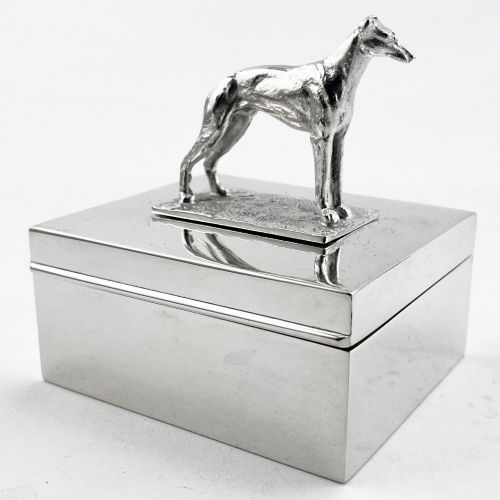
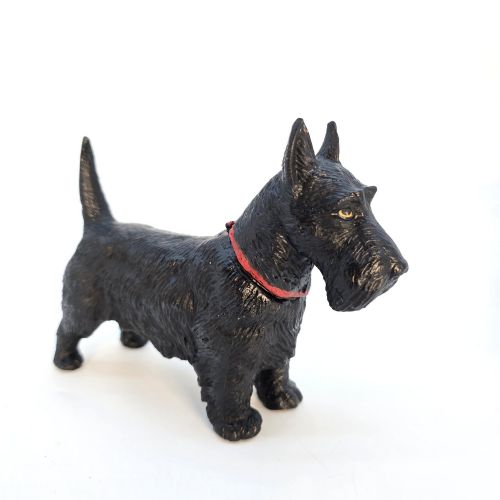
The selections span distinct periods, featuring pieces from the eighteenth century up through the interwar and mid-century eras. Common forms include figural trinket boxes, painted animal lighters, and scratch-built transport models.
Origins and styles vary widely, ranging from Georgian portrait miniatures to Art Deco bronzes and trench art created during wartime. Buyers frequently find items combining metal with secondary materials such as onyx, wood, and paint.
Materials and construction
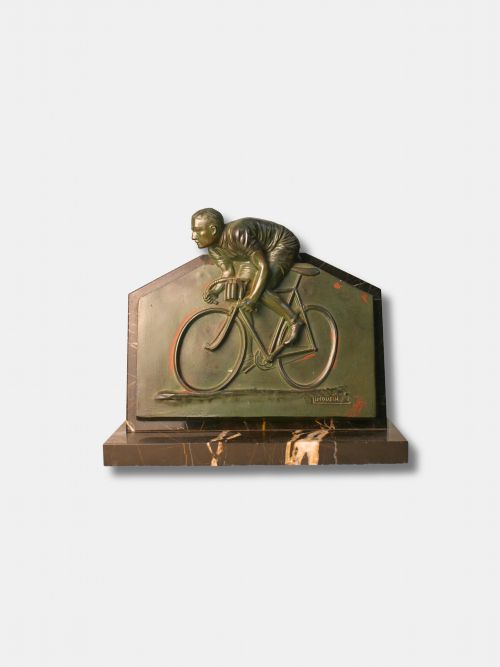
The construction of these pieces relies heavily on cast metal, bronze, brass, and silver plating, often mounted on stone plinths like onyx. Makers utilised cold-painted finishes and silvered surfaces to add visual depth and colour to figurines and lighters.
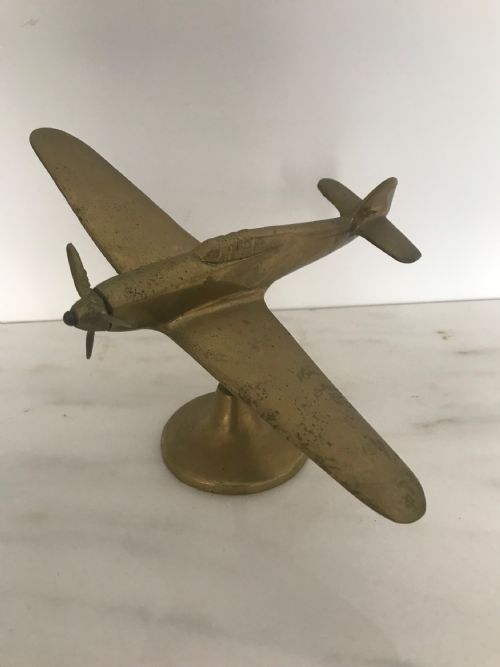
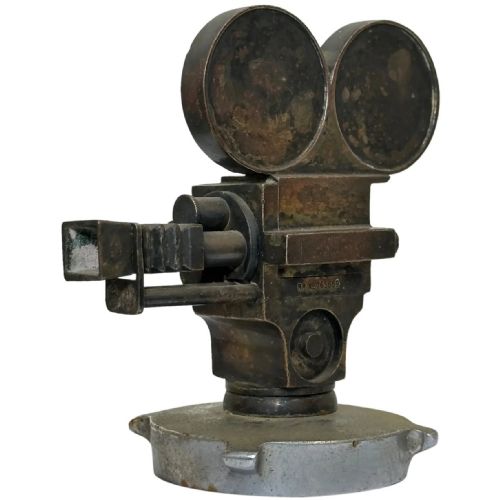
Many transport and military models demonstrate scratch-built techniques, showing hand-assembled components in metal and wood. Powder compacts and trinket boxes incorporate detailed metal stamping alongside enamel or painted decorations.
Collectible Art Metal Retail Price Guide 2026
Typical asking prices for collectible art metal among the pieces listed under this phrase on Sellingantiques today, from the lower quarter to the upper quarter. They describe what is for sale here now, not the wider market.
Materials appearing across the inventory include metal, wood, paint, brass, paper, chrome, silver plate, and cold-painted metal.
Factors that distinguish quality
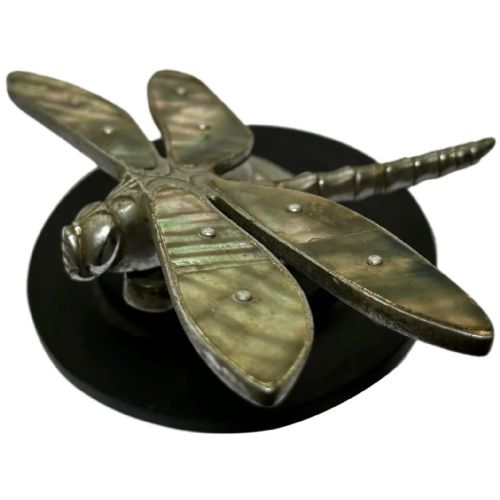
The standard of artistic execution heavily influences the distinction between standard items and finer works, particularly in figural sculptures and car mascots. Sculptures bearing recognised artist signatures demonstrate superior sculptural depth compared to anonymous production pieces.
Originality of surface finish, such as intact cold-painted pigments or uncompromised silver plating, marks a higher grade of preservation. Scratch-built and wartime pieces vary according to the intricacy of construction and the precision of detail achieved by the maker.
Richard Hudnut·Claire Colinet
The Collectible Art Metal Glossary
- Spelter
- An alloy primarily of zinc, commonly utilised for figurative sculptures and decorative objects mounted on stone bases. It was frequently painted or bronze-plated to simulate more expensive metals.
- Cold-Painted Metal
- A technique where paint is applied to metal objects without subsequent firing or heat curing. This finish is susceptible to flaking over time if handled frequently.
- Car Mascot
- A decorative ornament mounted upon the radiator cap or bonnet of a motor car. Popularised during the early twentieth century, these pieces were often produced in brass, bronze, or chrome.
- Trench Art
- Items made by soldiers, prisoners of war, or civilians from war debris and surplus materials. These objects include repurposed shell cases and metal assemblies created during conflict periods.
Collectible Art Metal: Frequently Asked Questions
What are collectible art metal items?
Collectible art metal items are decorative and functional metallic objects produced across various historical periods. They include utilitarian items like lighters and compacts alongside purely decorative sculptures and desk models.
These pieces reflect the prevailing artistic movements of their time, particularly the geometric lines of Art Deco and the industrial fabrication methods of the early twentieth century.
How were table lighters used?
Table lighters served as functional smoking accessories placed on desks, smoking stands, or living room tables during the early and mid-twentieth century. They were designed to remain stationary rather than carried in a pocket.
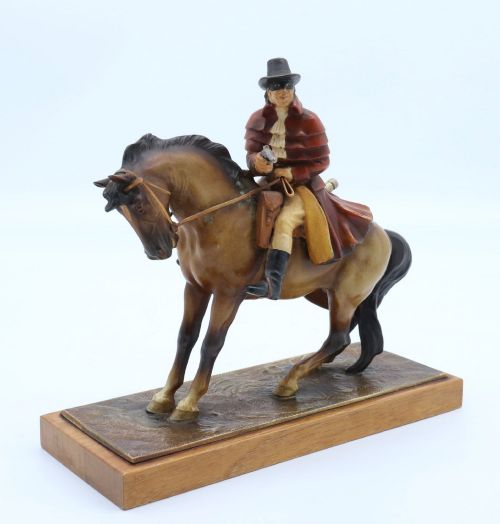
Many incorporated figural subjects, such as historical figures, animals, or transport motifs, serving as conversation pieces as well as practical household items.
How do I care for metal sculptures?
Maintaining metal sculptures requires gentle dusting with a soft, dry cloth to prevent the accumulation of abrasive particles. Avoid using harsh chemical cleaners or abrasive polishes that can strip original patinas or cold-painted finishes.
Keeping items away from excessive moisture and direct sunlight helps preserve delicate painted surfaces and prevents oxidation on silver-plated or bronze components.