
Collectible Box
A collectible antique box holds small treasures, from silver snuff cases to carved wood containers shaped by past hands.
Collectible Box
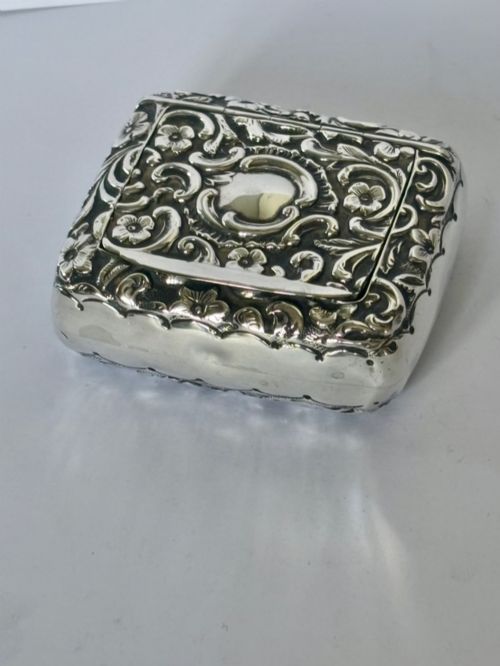
A collectible antique box covers a wide scope of small lidded containers designed for personal use, keeping items such as snuff, matches, coins, or trinkets. The selection draws primarily from the nineteenth century, alongside Georgian, Regency, and Edwardian examples.
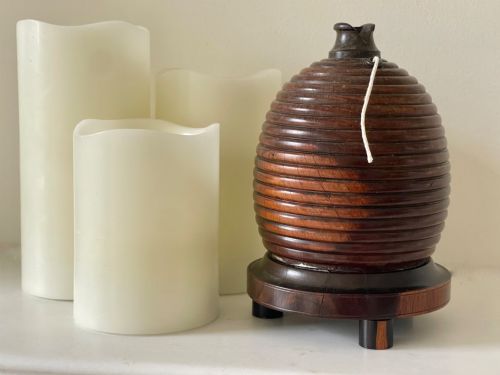
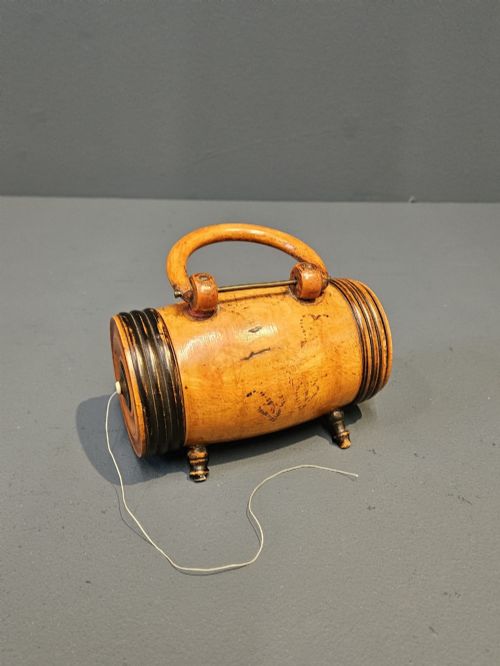
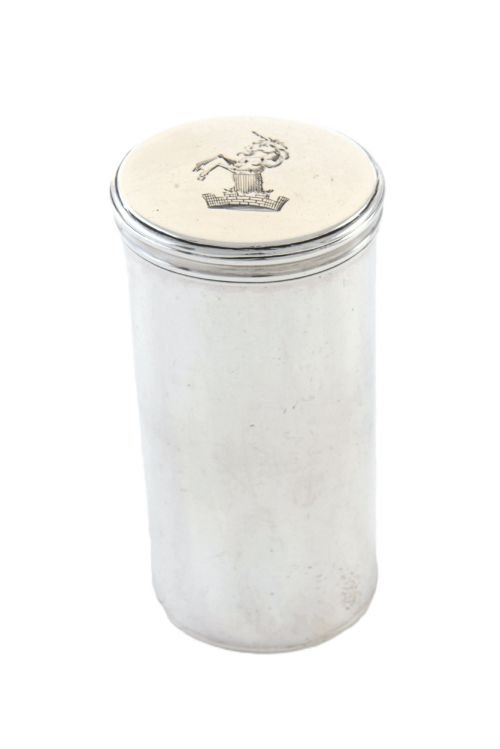
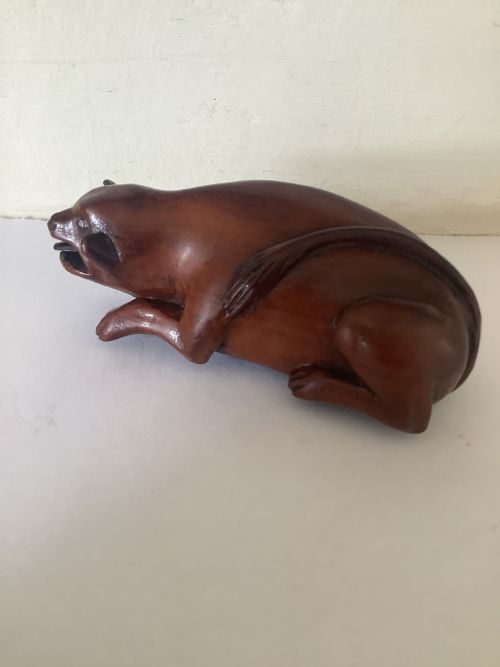
Forms span practical desk and pocket objects like vesta cases, vinaigrettes, tea caddies, and tobacco jars alongside novelty items such as figural animals and carved fruitwood string barrels.
Origins include English workshops, Scottish treen makers, Birmingham silversmiths, and continental European craftspeople, yielding everything from engine-turned ebony to silver-gilt and tortoiseshell.
How they were made
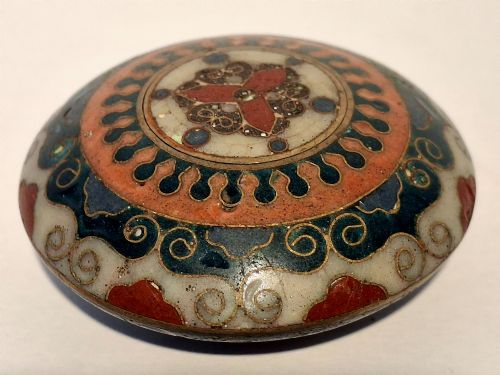
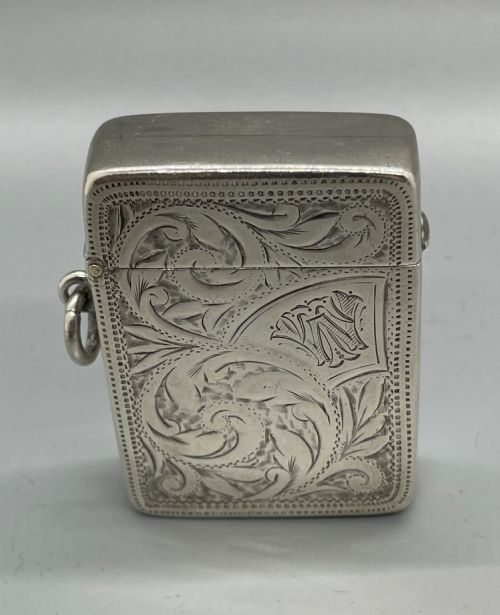
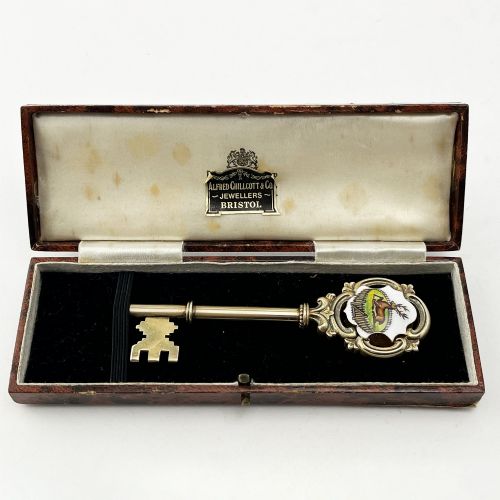
Metals such as sterling silver and brass undergo casting, embossing, and engine-turning to create crisp geometric patterns on snuff boxes and vesta cases. Silver-gilt interiors and enamel details add colour and finish to pocket pieces.
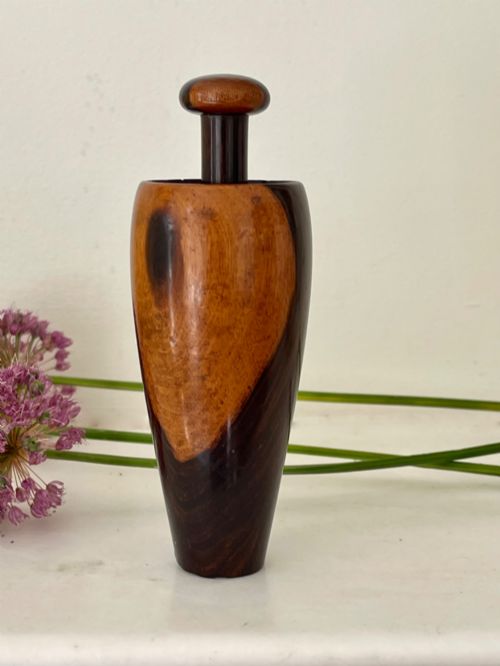
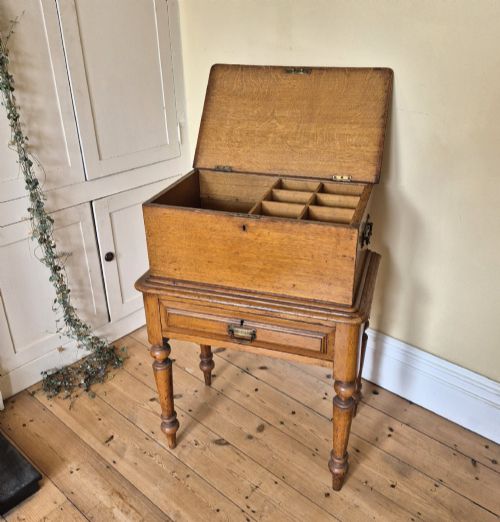
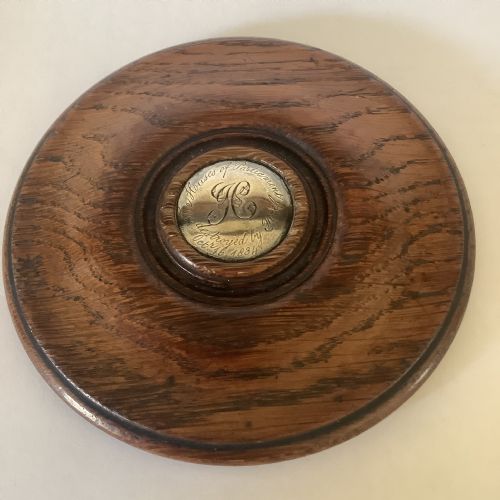
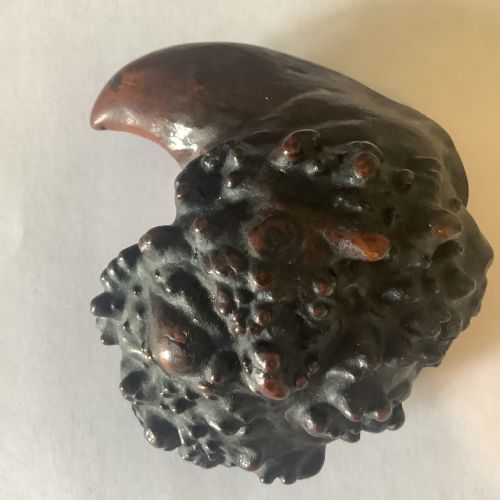
Woodworking relies on native and exotic timbers including walnut, laburnum, fruitwood, and oak, shaped by turning, naive carving, or intricate Tunbridge mosaic work. Organic materials like tortoiseshell, coquilla nut, and earthenware round out the palette.
Listings feature eighteenth and nineteenth century pocket containers, including Bilston enamel patch boxes, Georgian silver nutmeg graters, and Victorian Tunbridge Ware.
What varies in quality
The standard of a piece rests on the crispness of the hand-carving or the precision of the engine-turned decoration across wood and metal surfaces. Crisp hallmarks, intact hinges, and tight lid closures separate finer silver vinaigrettes and card cases from simpler production.
Materials dictate distinction, where naturally figured burr walnut, intricate straw work, or well-preserved enamel elevate ordinary utility items into accomplished examples of period craftsmanship.
Henry Matthews·Edward Smith·John Bettridge·Elkington and Co·Negretti and Zambra
The Collectible Box Glossary
- Vesta case
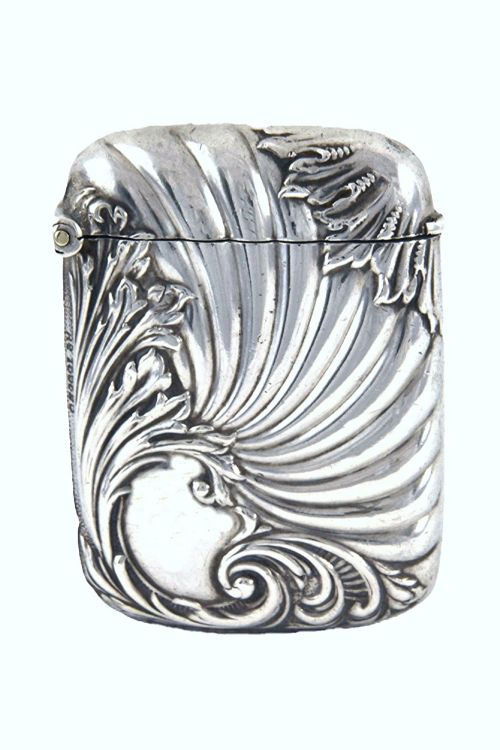
- A small pocket container made to hold matches, usually fitted with a striking surface on the base. These were widely carried in the nineteenth century.
- Vinaigrette
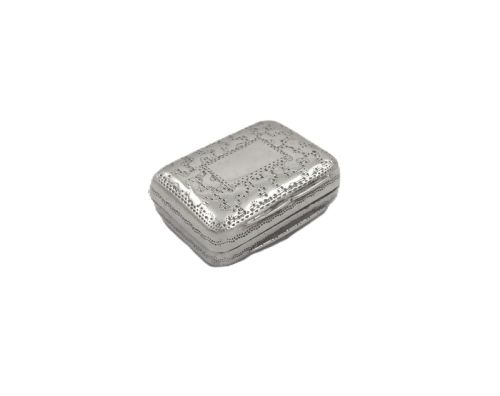
- A small ornamental box featuring a perforated internal grille, designed to hold a sponge soaked in aromatic vinegar. They are typically fashioned from sterling silver or silver-gilt.
- Treen
- Small handmade wooden household objects created by turning on a lathe or through hand carving. The category includes snuff boxes, mortars, and small containers.
- Tunbridge Ware
- A distinct form of British woodwork characterised by mosaic patterns assembled from thousands of tiny coloured wood blocks. It is frequently applied to small lidded boxes.
- Engine-turned
- A decorative technique executed on a lathe to engrave precise geometric patterns onto metal or wood surfaces. This finish is common on nineteenth-century snuff boxes.
Collectible Box: Frequently Asked Questions
What is a treen snuff box?
A treen snuff box is a small wooden container carved or turned on a lathe for holding powdered tobacco. These pieces showcase the skill of nineteenth-century woodworkers using materials like laburnum and fruitwood.
Many feature detailed surface decoration, including engine-turned patterns or naive carvings, reflecting domestic craftsmanship of the period.
How do I date a silver vesta case?
Silver vesta cases are dated by examining the hallmarks stamped into the metal, which indicate the assay office, the maker, and the exact year of production. Birmingham and London were major centres for this silverwork.
Stylistic cues such as the shape of the case, engraved decoration, and the presence of integrated match strikers also help place the piece within the Victorian or Edwardian eras.
What were vinaigrettes used for?
Vinaigrettes served to hold a small sponge soaked in aromatic vinegar or smelling salts, used to mask unpleasant odours or revive someone feeling faint. They were carried in pockets or attached to chatelaines.
The internal pierced grille allowed the scent to escape while keeping the damp sponge separate from the silver lid and case.
How should I clean an antique box?
Cleaning depends entirely on the material, requiring gentle dry dusting for delicate wood surfaces like Tunbridge Ware and tortoiseshell to preserve their fragile patinas. Avoid harsh commercial polishes that strip original finishes.
Silver components tolerate mild silver cloth care, but care must be taken around enamel panels, gilding, and fabric linings such as velvet.