




Collectable Wooden Trinket Box
A collectable wooden trinket box offers a tangible link to past craftsmanship, serving as a tactile receptacle for small personal items.
Collectable Wooden Trinket Box
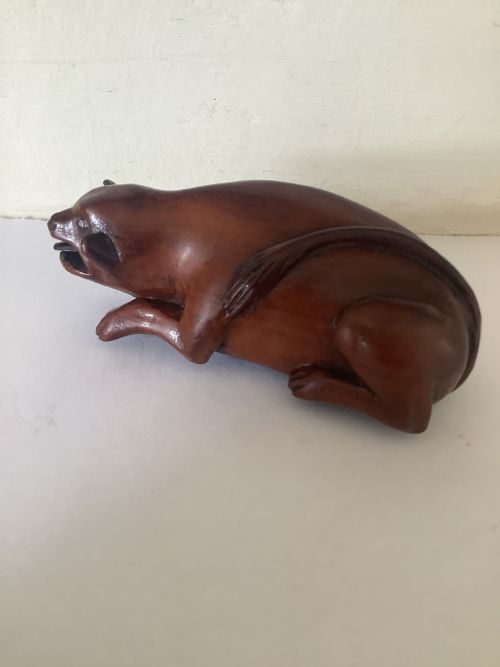
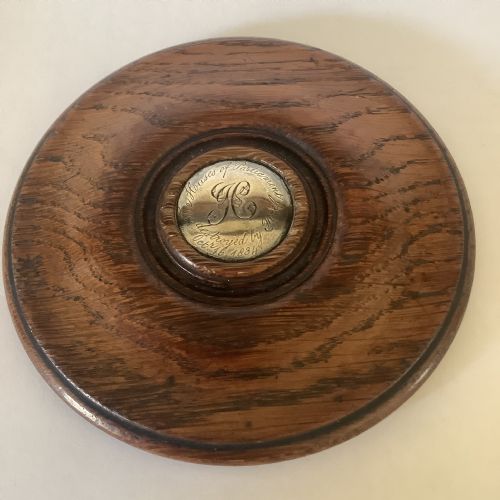
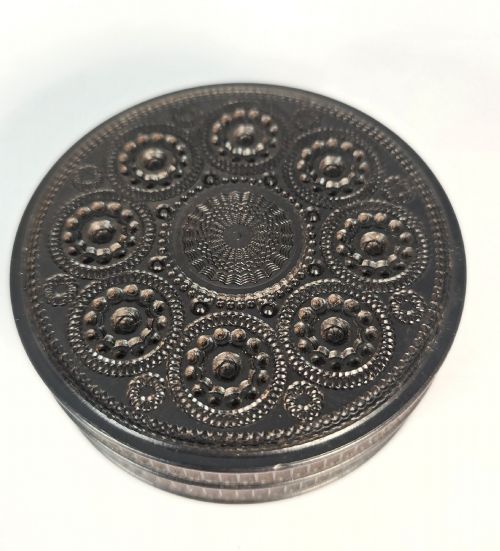
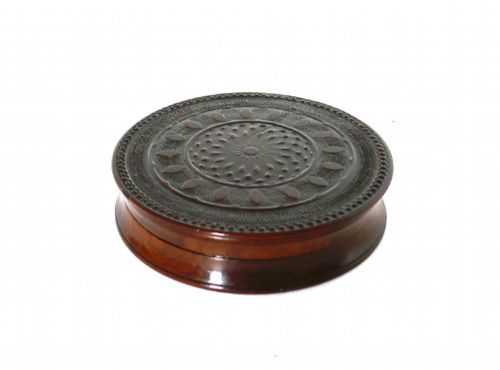
When you search for a collectable wooden trinket box, you encounter a variety of small containers spanning the 18th century, the Georgian era, and the 19th century, including the Victorian period. These pieces frequently manifest as snuff boxes, miniature chests of drawers, decorative boxes, and desk accessories.
How they were made
Makers utilised a wide array of hardwoods and decorative timbers such as oak, rosewood, ebony, laburnum, maple, birch, mahogany, and burr walnut. Techniques involved naive hand carving, engine turning, pen work, and specialised decorative treatments like Tunbridge Ware.
Selected pieces incorporate secondary materials including silver, ink, and tortoiseshell to accent the wooden bodies. Construction methods relied on traditional joinery and turning to shape functional items from dense timber.
Collectable Wooden Trinket Box Retail Price Guide 2026
Typical asking prices for collectable wooden trinket box among the pieces listed under this phrase on Sellingantiques today, from the lower quarter to the upper quarter. They describe what is for sale here now, not the wider market.
The listings on this site span the 18th century, the Georgian era, and the 19th century, featuring woods like oak, ebony, rosewood, and laburnum.
What varies in quality
The quality of a piece depends on the crispness of the carving and the precision of surface decoration, such as engine turning or pen work. Superior examples display refined proportions and intact original surfaces without heavy restoration.
Material selection also distinguishes finer items, with dense hardwoods, figured veneers like burr walnut, and intricate inlay work marking out the more accomplished objects from simpler utilitarian vessels.
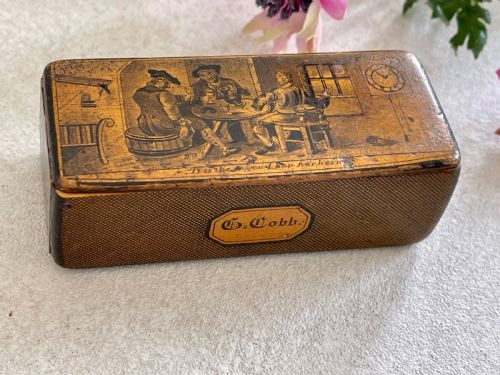
G Cobb·John Knox
The Collectable Wooden Trinket Box Glossary
- Treen
- Small handmade wooden objects for domestic use. This term encompasses turned items like snuff boxes and small containers.
- Tunbridge Ware
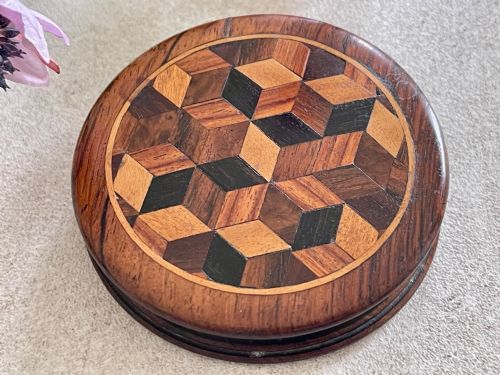
- Woodworking characterised by tiny mosaic tiles formed from naturally coloured woods. It creates detailed pictorial or geometric patterns on boxes and pots.
- Engine Turned
- Geometric patterns cut into a material using a lathe with a rotating cutting tool. It produces precise, repeating decorative textures on wood.
- Pen Work
- Decoration applied to wood using ink and a pen to draw motifs. It often mimics more costly inlay techniques.
- Nib Box
- A small container specifically designed to hold steel pen nibs for writing. These desk accessories reflect nineteenth-century correspondence habits.
Collectable Wooden Trinket Box: Frequently Asked Questions
What is a collectable wooden trinket box?
These small containers include snuff boxes, miniature chests of drawers, and desk accessories made primarily of wood during the 18th and 19th centuries.
They were originally used to hold personal items like tobacco, pens, or small valuables, and today serve as decorative desktop or cabinet pieces.
How do I identify a Georgian box?
Georgian pieces date from the 18th century up to the early 19th century, often showing specific classical proportions or distinct regional woodworking styles.
Look at the construction methods, the types of timber used, and the decorative techniques such as early turning or pen work typical of the period.
What is Tunbridge Ware?
Tunbridge Ware is a form of decorative woodwork featuring intricate mosaic patterns made from many different natural coloured woods.
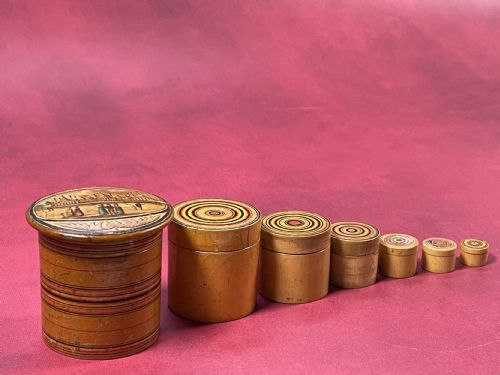
Artisans glued thousands of tiny wood blocks together to form geometric designs or pictorial scenes on the lids of boxes and stacking pots.
How should I care for antique wooden boxes?
Keep wooden containers away from direct sunlight and rapid humidity changes to prevent the timber from drying out or warping.
Dust them gently with a dry cloth and avoid applying modern polishes that can build up on historic surfaces.