




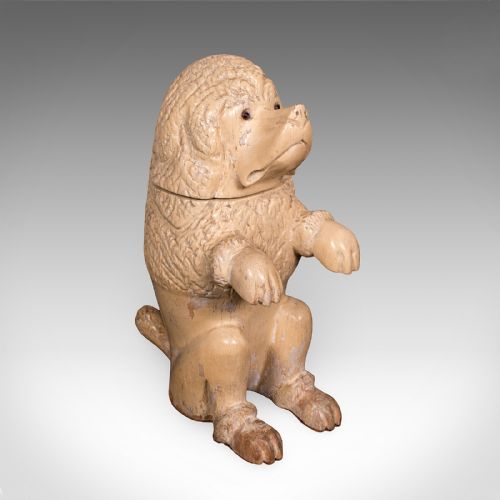


Collectable Wood Treen
These small wooden implements and domestic objects span the seventeenth to the early twentieth century, offering practical utility and carved novelty.
Collectable Wood Treen
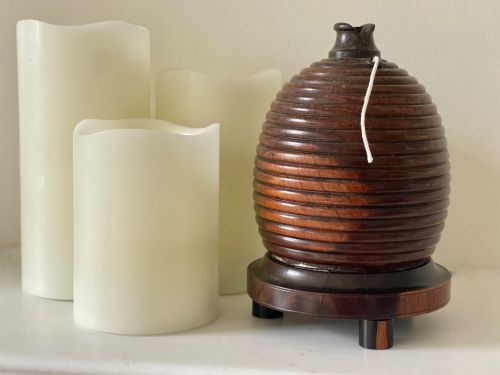
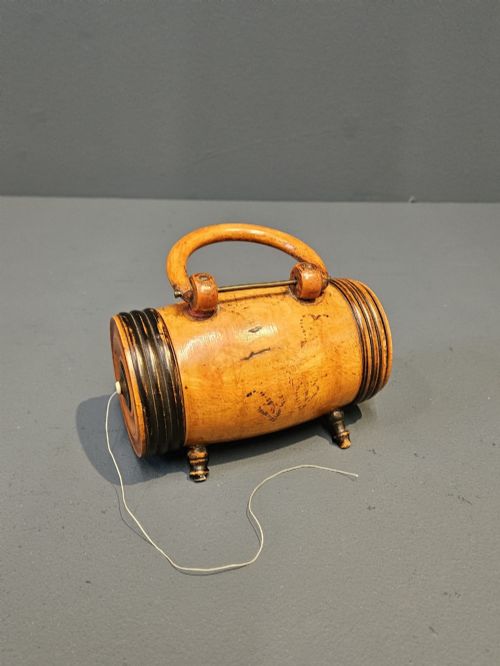
Collectable wood treen encompasses a wide variety of small domestic and personal items shaped from timber, ranging from seventeenth-century lignum vitae mortars to nineteenth-century fruitwood string barrels and snuff boxes. These objects were turned on lathes or carved by hand for daily use in domestic, professional, or recreational settings.
The pieces appearing on this page most frequently date from the nineteenth century, including the Victorian and Edwardian periods, alongside earlier Georgian and seventeenth-century examples. Common domestic and personal forms include nutmeg graters, nutcrackers shaped as animals or fruit, tobacco jars, lace folders, and string dispensers.
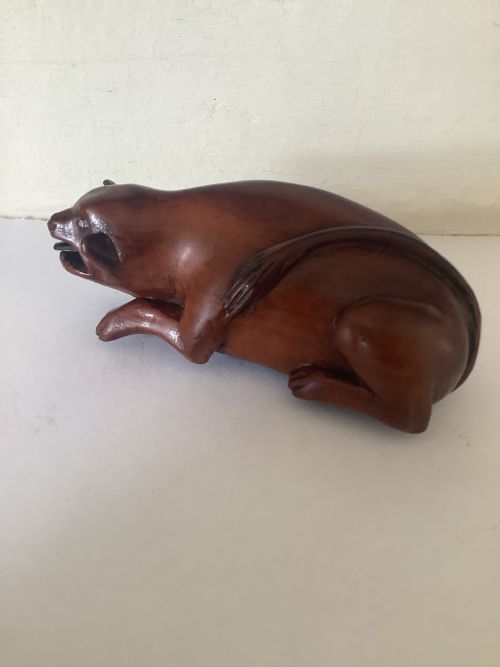
Many items display utilitarian origins in the kitchen or workshop, such as butter prints, flour scoops, and carpentry mallets, while others served leisure and personal care, including bird calls, toys, stethoscopes, and pocket snuff boxes. Figural and novelty designs, such as shoes, barrels, and human profiles, demonstrate the playful side of domestic treen.
Materials and construction methods
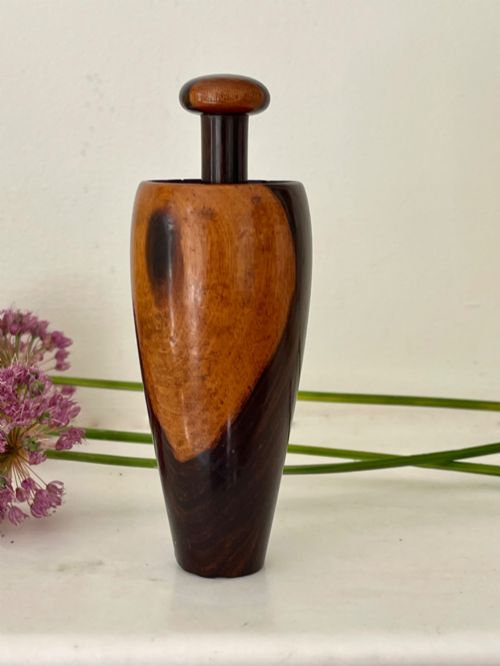
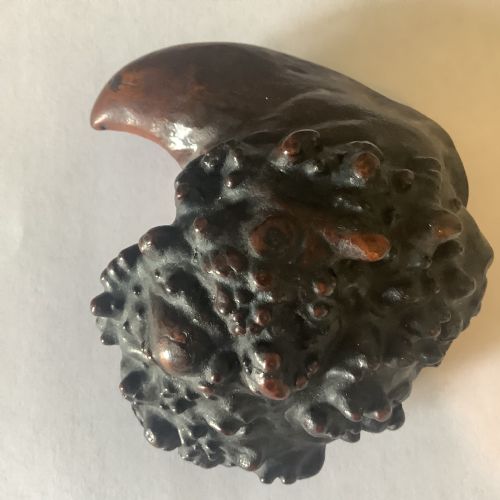
Makers utilised dense hardwoods such as lignum vitae, fruitwoods including apple and pear, sycamore, beech, mahogany, and burr walnut. These close-grained timbers allowed for crisp turning on a lathe and fine hand carving without splintering.
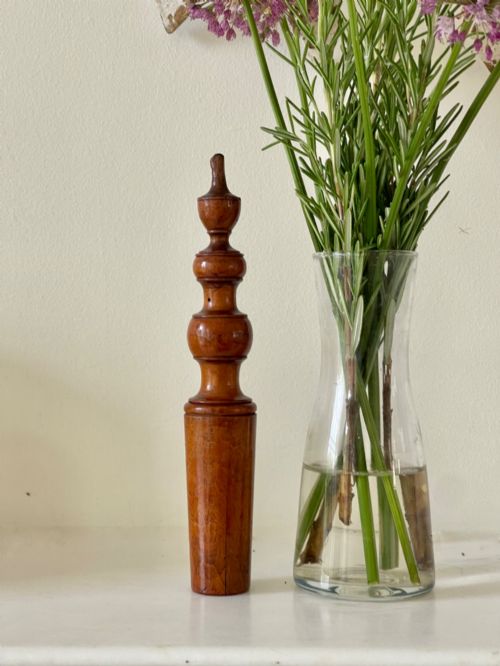
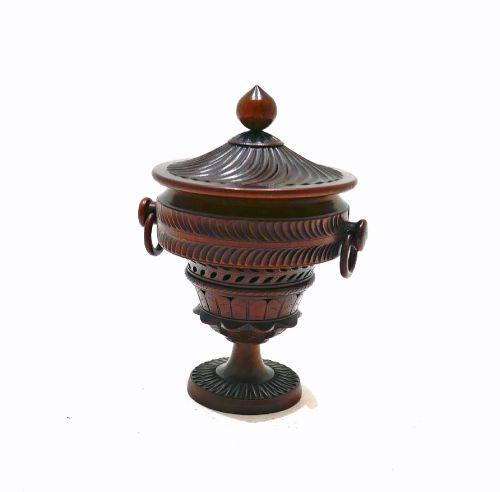
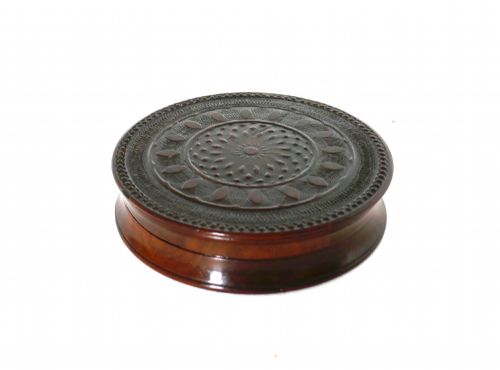
Turning on a lathe produced symmetrical cylindrical forms like barrels, cups, and mortars, whilst bench work involved chisels and gouges for figural carvings, lace folders, and knitting sheaths. Surface decoration relied on engine turning, coopered staves, and natural grain patterns rather than applied finishes.
Collectable Wood Treen Retail Price Guide 2026
Typical asking prices for collectable wood treen among the pieces listed under this phrase on Sellingantiques today, from the lower quarter to the upper quarter. They describe what is for sale here now, not the wider market.
Among the domestic items are carved treen novelties shaped as a man in the moon, a pigeon bird call, and ladies' feet in open shoes.
Assessing quality in treen
Superior quality in collectable wood treen rests on the crispness of the turning or carving and the preservation of the original surface texture and tool marks. Pieces that retain a clear, dry patina from handling show better integrity than those with heavy cleaning or modern refinishing.
Design ambition separates standard kitchen utilities from superior examples, with novelty items like figural nutcrackers, mechanical string boxes, and intricately detailed snuff boxes demanding greater skill from the maker.
The Collectable Wood Treen Glossary
- Treen
- Small handmade wooden domestic objects. The term derives from an old word for timber or trees.
- Lignum vitae
- An extremely dense and heavy tropical hardwood. Makers prized this material for items requiring durability, such as mortars and mallets.
- Fruitwood
- Timber derived from fruit-bearing trees such as apple, pear, and plum. This wood provided a smooth, even surface favoured by nineteenth-century turners.
- Engine turned
- Geometric ornamentation cut into wood using a specialised lathe. This technique created precise decorative patterns on nineteenth-century snuff boxes.
- Coopering
- Construction method using staves bound together with hoops. This technique formed cylindrical objects like tobacco boxes, barrels, and pipe stands.
Collectable Wood Treen: Frequently Asked Questions
What is treen?
Treen describes small functional and decorative wooden objects made for domestic use.
These pieces range from kitchen implements and desk accessories to personal items like snuff boxes and nutcrackers.
How old are these objects?
The items span from the seventeenth century through the Georgian and Victorian eras up to the early twentieth century.
Nineteenth-century examples appear most frequently among these listings.
Which woods were used?
Makers selected dense hardwoods, particularly fruitwoods, lignum vitae, burr walnut, mahogany, and sycamore.
These timbers offered the stability needed for detailed turning and carving.
How do I care for treen?
Keep wooden treen away from direct heat sources and sudden changes in humidity to prevent splitting.
Apply a light application of traditional wax polish occasionally to maintain the dry patina.