







Collectable Trinket Box
A collectable trinket box holds small valuables in silver, tortoiseshell or carved wood, rewarding close inspection.
Collectable Trinket Box
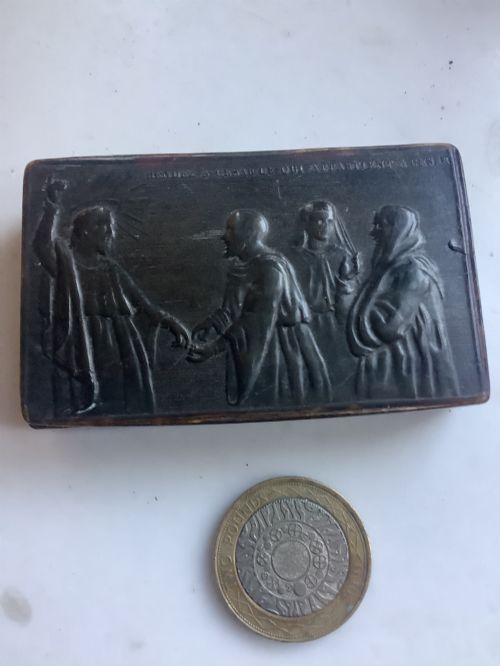
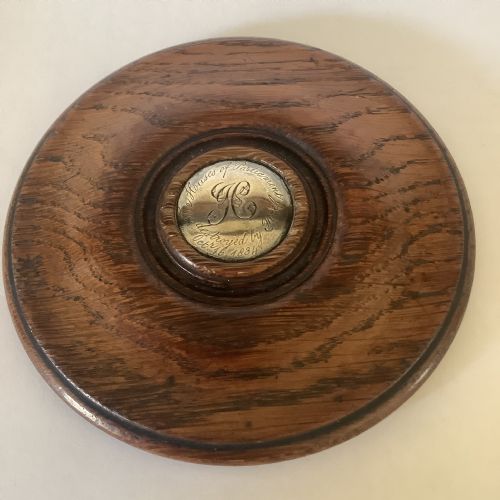
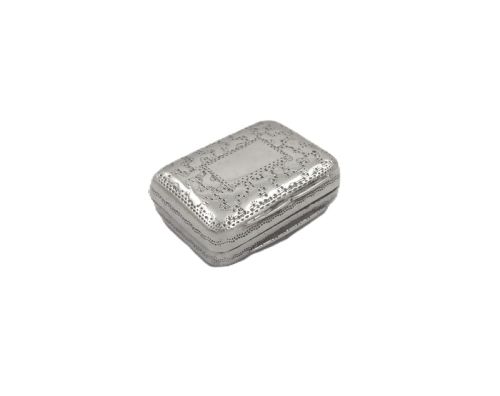
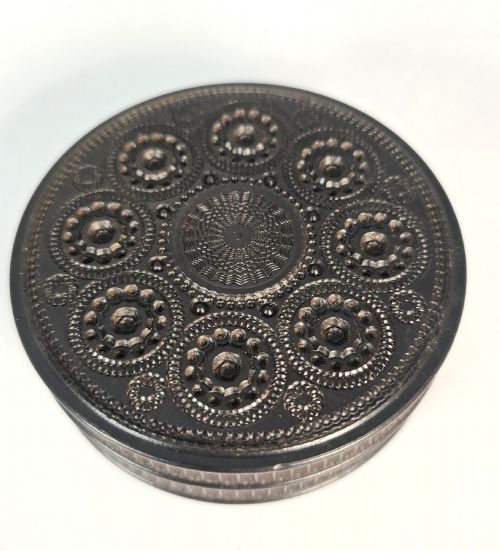
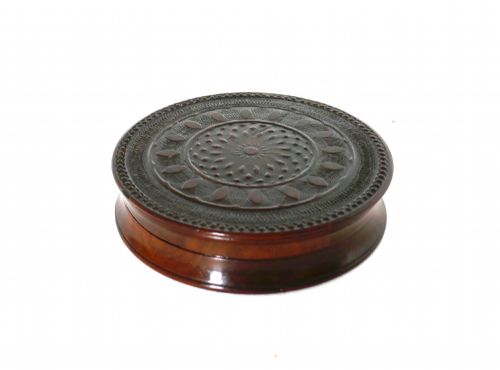
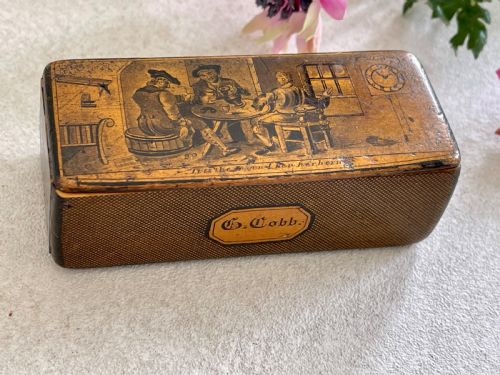
When searching for a collectable trinket box, you encounter small containers made to hold snuff, pills, patches or personal treasures. The versions on this page span the eighteenth, nineteenth and twentieth centuries, taking forms such as snuff boxes, vinaigrettes, patch boxes and pill boxes.
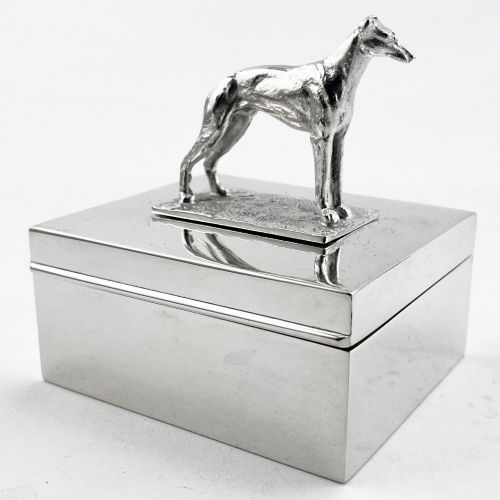
Silver and silver gilt pieces dominate the output, alongside organic materials like tortoiseshell, wood, cochinilla and papier-mâché. Georgian and Victorian examples sit beside later twentieth-century designs, reflecting shifting domestic habits and portable luxury.
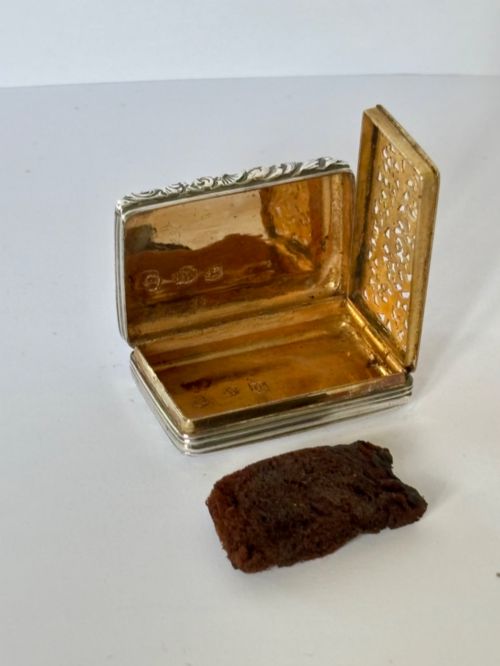
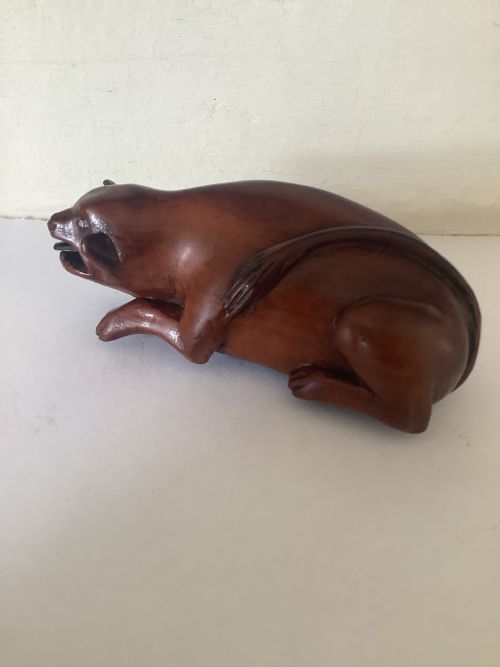
Many items serve specific historical functions, from carrying aromatic vinegars in pierced-grille vinaigrettes to housing tobacco or visiting cards. Others display novelty forms, including carved feet, animals and miniature chests of drawers.
Materials and Construction
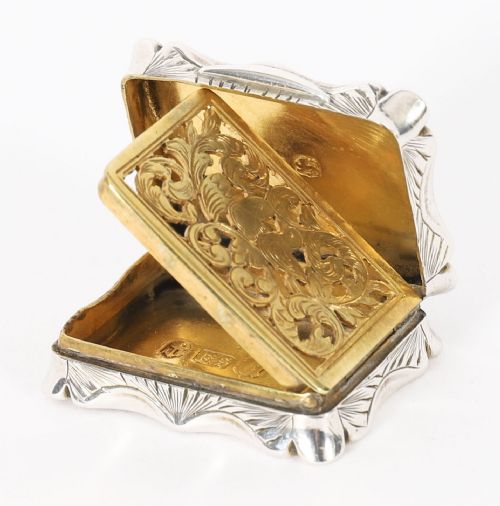
Silversmiths utilised casting, embossing and engine-turning to pattern metal surfaces, frequently applying gold gilt to the interior of vinaigrettes and snuff boxes. Makers incorporated hinges and tight-fitting lids to secure volatile contents.
Workers shaped organic materials using carving, turning and inlay techniques. Tortoiseshell, hardwoods, ebony and laburnum receive detailed surface decoration, while papier-mâché and painted tin rely on applied lacquer and pigments.
Collectable Trinket Box Retail Price Guide 2026
Typical asking prices for collectable trinket box among the pieces listed under this phrase on Sellingantiques today, from the lower quarter to the upper quarter. They describe what is for sale here now, not the wider market.
Listings feature items spanning the eighteenth to the twentieth century, incorporating sterling silver, tortoiseshell, carved wood and enamel.
Distinctions in Quality
Superior examples display crispness in engine-turning, precise hinge alignment and legible hallmarks or maker signatures. The depth and clarity of hand-carving on treen, tortoiseshell and boxwood separate skilled workshops from standard production.
Internal components, such as the pierced silver gilt grilles in vinaigrettes or fitted sponges, indicate original completeness. Decoration involving enamel, gold inlay or intricate straw-work requires high technical competence.
Joseph Willmore·Nathaniel Mills·Henry Matthews·Edward Smith·Elkington and Co·Hermes Paris·James Phipps I·E Cornock
The Collectable Trinket Box Glossary
- Vinaigrette
- A small hinged box featuring an internal pierced metal grille that held a sponge soaked in aromatic vinegar. These pieces date principally to the Georgian and Victorian eras.
- Engine turned
- A geometric pattern mechanically engraved onto metal or wood surfaces using a lathe. This technique creates regular, precise textures across the lid or body.
- Silver gilt
- Sterling silver that has been coated with a thin layer of gold. This treatment protects the interior of boxes from corrosion caused by acidic contents.
- Tunbridge ware
- Woodwork decorated with mosaic patterns created from thousands of tiny tinted wood blocks. This craft originated in Kent during the Georgian period.
Collectable Trinket Box: Frequently Asked Questions
What is a vinaigrette box used for?
A vinaigrette held a sponge soaked in aromatic vinegar to revive someone suffering from faintness in crowded rooms. The internal pierced grille allowed the scent to escape while keeping the damp sponge separate from the silver casing.
These containers date primarily to the eighteenth and nineteenth centuries, taking pocket-sized forms designed for daily carriage.
How do I date a silver trinket box?
Silver pieces carry hallmarks that indicate the assay office, the maker and the year of manufacture through specific date letters. Comparing the style of decoration, such as Regency engraving or Victorian embossing, helps confirm the period.
Makers' marks connect individual boxes to recorded workshops and silversmiths active in Birmingham, London and other centres.
What materials appear in antique boxes?
Makers utilised sterling silver, silver gilt, tortoiseshell, hard woods, ebony, papier-mâché and painted tin. Organic substances like laburnum, cochinilla and straw work also feature prominently in smaller containers.
Selection of materials depended on the intended function, with metal suited to vinaigrettes and carved wood or shell favored for snuff.
How should I display small antique boxes?
These pieces suit placement on surfaces where people can handle and examine them closely, such as desks, side tables or glass cabinets. Their small scale allows arrangement in groups by material or form.
Protecting them from direct sunlight preserves organic substances like tortoiseshell and painted surfaces on tin or enamel.