

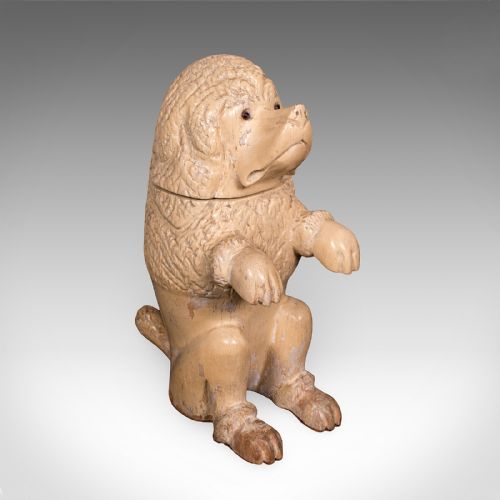



Collectable Treen Novelty
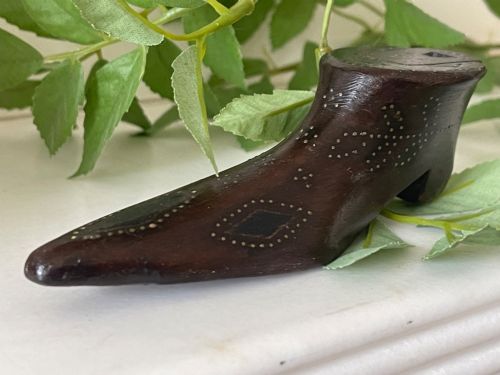
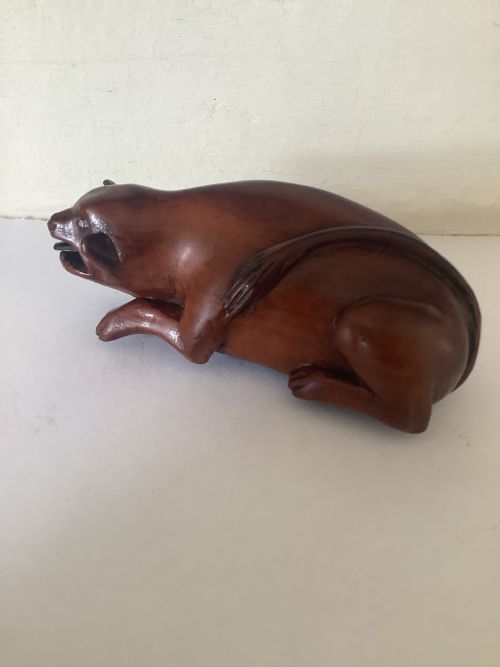
These collectable treen novelty items are small, amusing turned or carved wooden objects shaped as shoes, animals, and everyday gear that bring domestic wit into your hands.
Collectable Treen Novelty
Collectable treen novelty objects encompass small wooden items created for everyday use that take playful, figurative shapes. When searching for collectable treen novelty, buyers encounter domestic and personal accessories fashioned into recognizable forms like shoes, animals, and wine bottles.
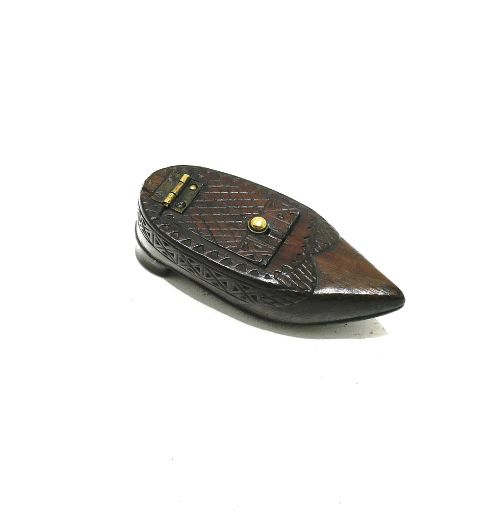
The pieces listed on this page span the Georgian, Victorian, and Edwardian periods, with nineteenth-century examples appearing most frequently. These objects include snuff boxes formed as clogs, figural tobacco jars, nutcrackers, and games.
Makers often drew inspiration from daily life, producing items such as teachers' clickers, nutmeg graters, and corkscrews disguised as other objects. Folk art traditions heavily influence these survivals, showing individual hand-carving and turning alongside brass hinges and locking buttons.
How they were made
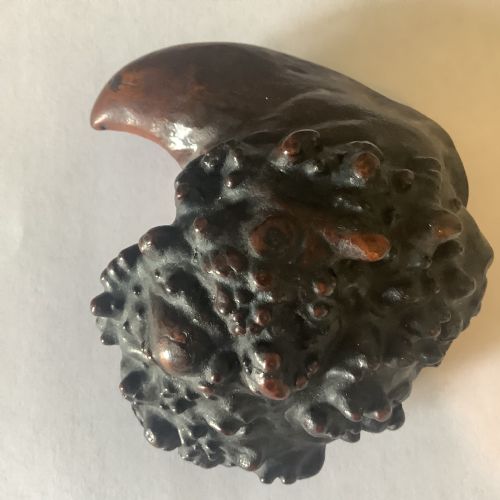
Makers utilised dense timbers such as fruitwood, boxwood, and burr walnut, which tolerated fine turning on a lathe and detailed hand-carving without splitting. These woods were selected for their grain and warmth, often left in their natural finish or lightly treated.
Metal components like brass hinges, pins, and locking buttons were integrated into functional pieces such as snuff boxes and nutcrackers to withstand regular handling. Paint and natural patination developed through use, altering the surface texture over decades.
Collectable Treen Novelty Retail Price Guide 2026
Typical asking prices for collectable treen novelty among the pieces listed under this phrase on Sellingantiques today, from the lower quarter to the upper quarter. They describe what is for sale here now, not the wider market.
A nineteenth-century maker carved a nutmeg grater to look precisely like a wine bottle.
What varies in quality
The distinction between ordinary and superior pieces rests upon the ambition of the carving and the fidelity of the figurative form. A natural piece of burr walnut shaped with organic contours differs significantly from a simply turned cylinder.
Condition and completeness dictate standing, particularly where working brass hinges, locking buttons, or small applied elements remain intact. Original surface patination acquired through handling adds depth that over-cleaned wood lacks.
Novelty items that maintain their mechanical function, such as operating nutcrackers or functional nutmeg graters, demonstrate greater workshop skill than static display pieces.
The Collectable Treen Novelty Glossary
- Treen
- Small handmade wooden objects for domestic or personal use. The term derives from old regional usage meaning tree or wood.
- Snuff box
- A small lidded container designed to hold powdered tobacco. Examples often took whimsical shapes such as clogs or human feet.
- Nutcracker
- A mechanical tool for breaking the shells of nuts. Novelty versions often utilised leveraged wooden animal or figurative jaws.
- Bilboquet
- A traditional hand-held skill game consisting of a ball attached to a cup by a string. Players attempt to catch the ball in the cup.
- Fruitwood
- Timber sourced from fruit-bearing trees such as pear, apple, or plum. This wood provided a tight, smooth grain suited to intricate turning.
Collectable Treen Novelty: Frequently Asked Questions
How were these items used?
These objects served specific domestic and personal functions in the home and pocket. Items like snuff boxes, tobacco jars, and nutmeg graters assisted with daily habits and hospitality.
Others, such as bilboquet games and teachers' clickers, provided amusement or classroom signals, functioning as both tools and toys.
How do I date these pieces?
Dating relies on stylistic clues, historical context, and the integration of materials like brass hinges and locking buttons. Georgian and Victorian examples often exhibit distinct folk art carving styles.
Edwardian and later pieces shift slightly in subject matter and finish, though nineteenth-century traditions persisted in rural workshops.
How should I care for wooden treen?
Keep wooden objects away from direct heat sources and drastic humidity changes to prevent the timber from splitting. Dust them gently with a dry, soft cloth.
Avoid applying modern waxes or oils unless necessary, allowing the natural historic patination accumulated through handling to endure.