



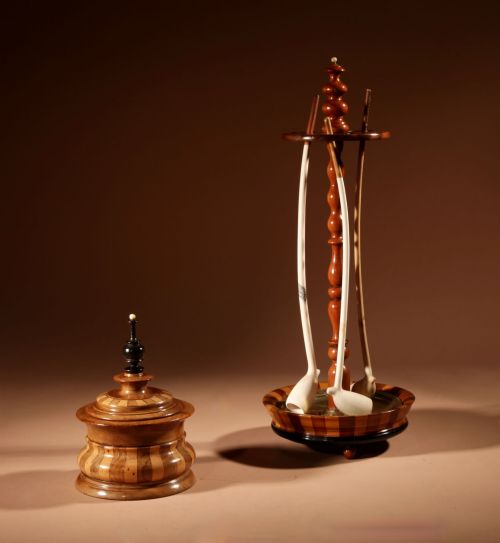


Collectable Treen Boxes
These collectable treen boxes are small wooden vessels carved for snuff, tobacco, and desk use that bring tactile warmth to any room.
Collectable Treen Boxes
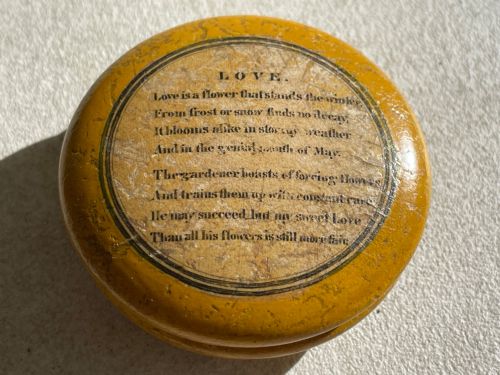
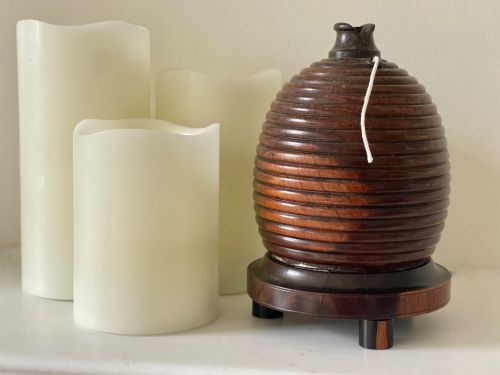
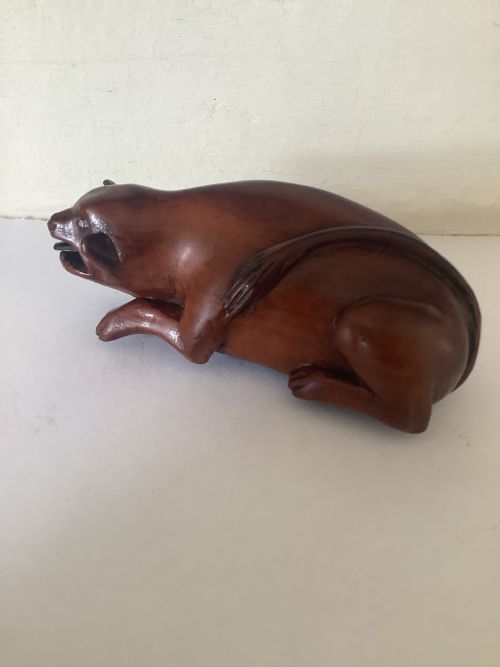
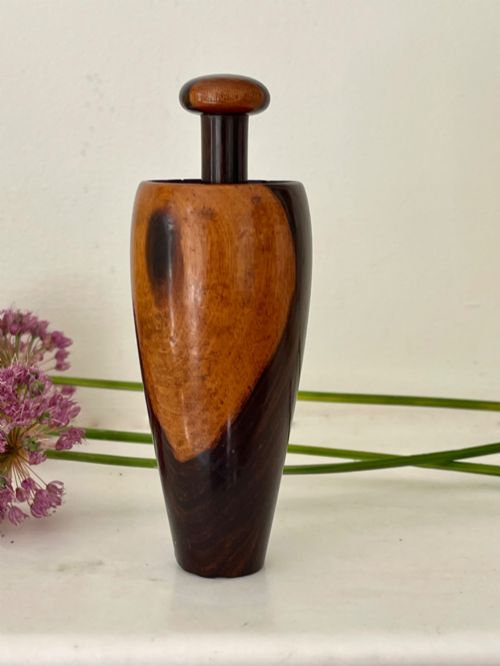
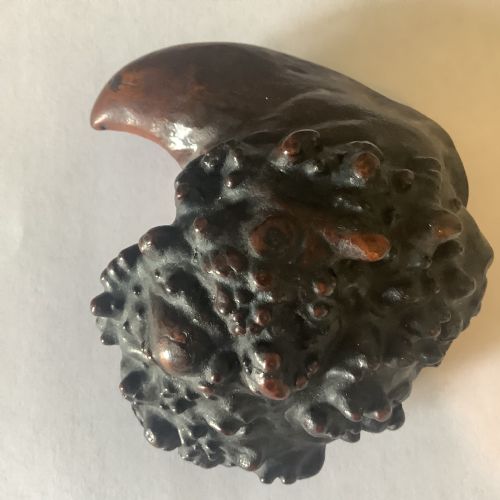
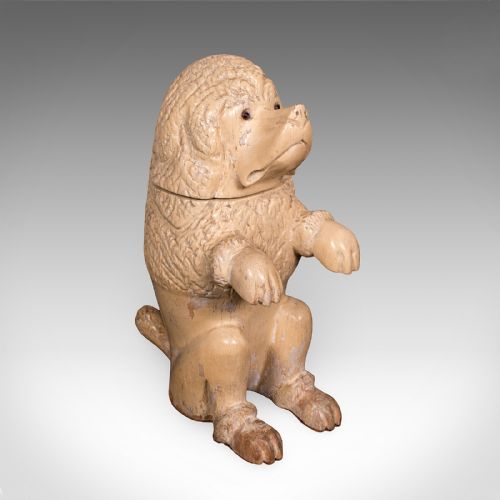
When you search for collectable treen boxes, you find small wooden objects spanning the Georgian, Victorian, and Edwardian eras. These pieces range from simple desk accessories to elaborate novelty items shaped like shoes, animals, and wine bottles.
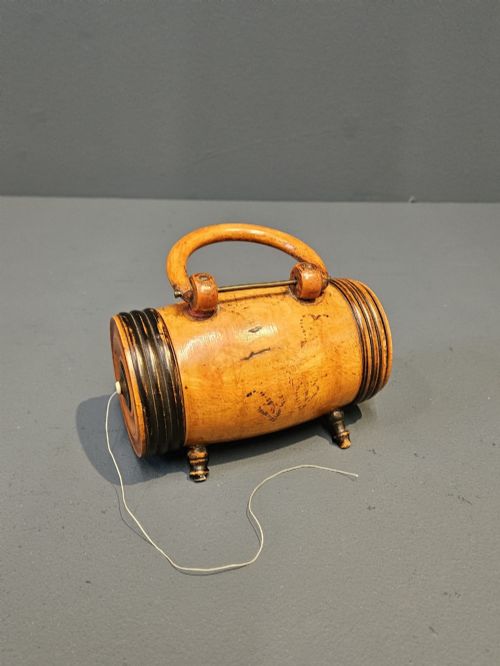
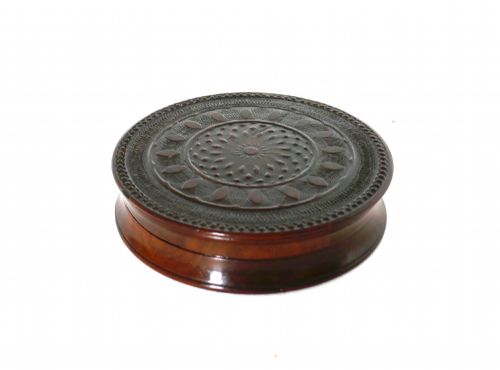
The versions you are most likely to meet on this page include fruitwood snuff boxes, string dispensers, and tobacco jars. Makers used various timbers to fashion utilitarian treen into decorative items for everyday domestic life.
Many surviving examples reflect folk art traditions alongside formal cabinet-making. Simple turned barrels sit alongside intricately carved figural pieces carved from a single piece of wood.
How they were made
Makers utilised fruitwood, hardwood, laburnum, yew-wood, burr walnut, and boxwood to shape these items. Turned wood pieces utilised lathes for precise circular forms, while other objects required hand carving and metal fittings.
Engine turned decoration added geometric patterns to surfaces, whilst coopered construction joined wooden staves together with metal bands for tobacco jars and barrels. Paint also occasionally surfaced to colour specific details on figural items.
Collectable Treen Boxes Retail Price Guide 2026
Typical asking prices for collectable treen boxes among the pieces listed under this phrase on Sellingantiques today, from the lower quarter to the upper quarter. They describe what is for sale here now, not the wider market.
What varies in quality
The distinction between ordinary and superior pieces rests on the crispness of the carving and the ingenuity of the form. Novelty shapes like ladies feet or wine bottles demand greater sculptural skill than plain turned containers.
Selection of timber dictates visual depth, with burr walnut and figured yew-wood providing richer grain patterns than basic hardwoods. The survival of original elements, such as internal cutters in string boxes, preserves the integrity of the piece.
The Collectable Treen Boxes Glossary
- Treen
- Small handmade wooden objects for domestic or personal use. This broad term covers everything from kitchenalia to desk accessories.
- Snuff box
- A small container designed to hold powdered tobacco. These often feature hinged lids and elaborate carving.
- Fruitwood
- Timber sourced from fruit-bearing trees such as apple or pear. It provides a dense, smooth surface ideal for fine turning.
- Engine turned
- Geometric decoration cut into wood or metal using a specialised lathe. This technique creates precise repeating patterns.
- Coopered
- Made from staves of wood fitted together and bound with hoops. This method was standard for barrels and tobacco jars.
Collectable Treen Boxes: Frequently Asked Questions
What were treen boxes used for?
These small wooden vessels held personal items like snuff, tobacco, and nutmeg for daily domestic use. People kept them on desks, in pockets, or around the home for practical convenience.
Over time, utilitarian objects evolved into decorative novelties collected for their clever design and skilled craftsmanship.
How do I date a treen box?
Dating relies on identifying the timber species, turning techniques, and the stylistic conventions of periods like the Georgian or Victorian eras. Examining metal hinges, pins, and overall wear helps establish an approximate timeline.
Certain forms, such as engine turned laburnum or folk art carvings, correspond to specific manufacturing decades recorded in the evidence.
Are novelty treen boxes older?
Novelty boxes shaped like shoes, animals, or bottles span the nineteenth century alongside plain utilitarian containers. Carvers produced both simple turned barrels and sculptural figural pieces during the same historical periods.
Complexity of form reflects the skill of the maker rather than a specific chronological shift in production.
How should I care for antique treen?
Keep wooden objects away from direct sunlight and extreme temperature fluctuations to prevent the timber from splitting. Gentle dusting maintains the surface without stripping the natural patina built up over centuries.
Avoid excessive moisture and harsh cleaning agents that can damage historic fruitwood, walnut, or painted finishes.