






Collectable Silver Gilt
Collectable silver gilt brings together precious metalwork coated in gold across centuries of small personal boxes, spoons, and sewing tools.
Collectable Silver Gilt
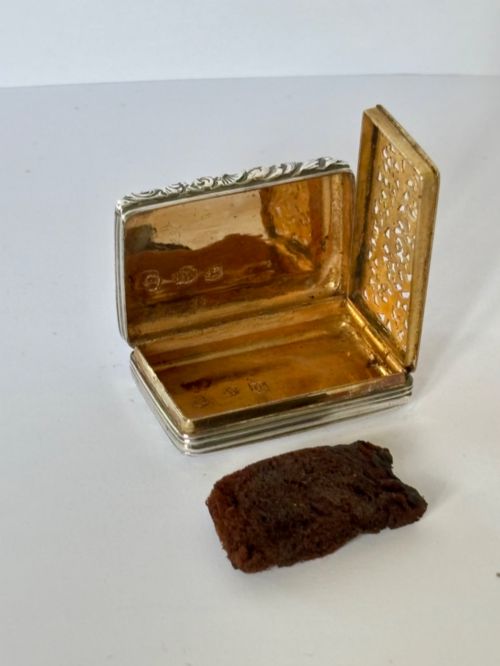
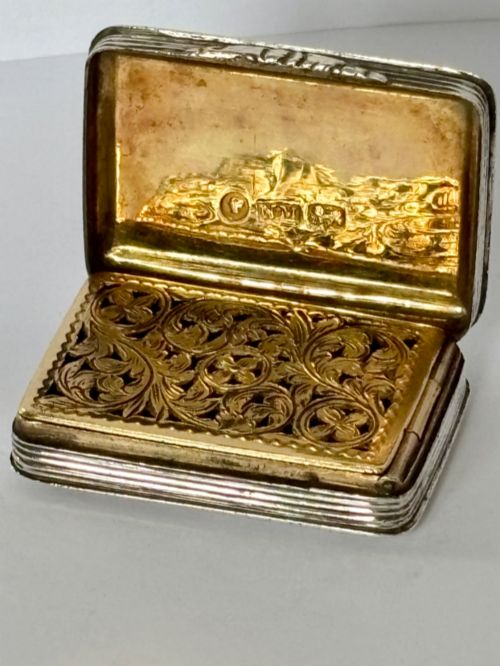
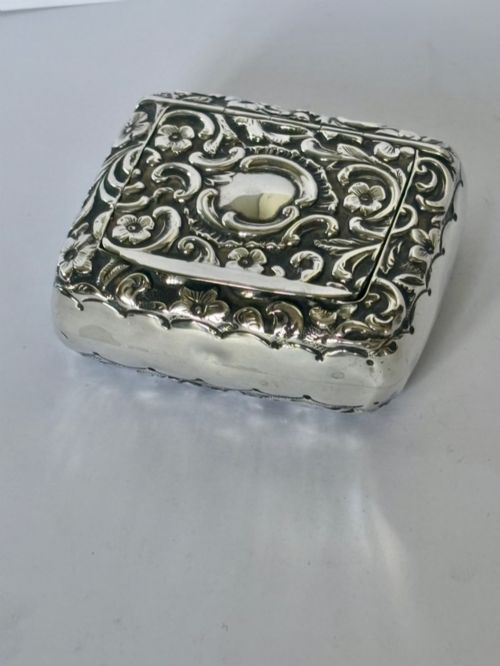
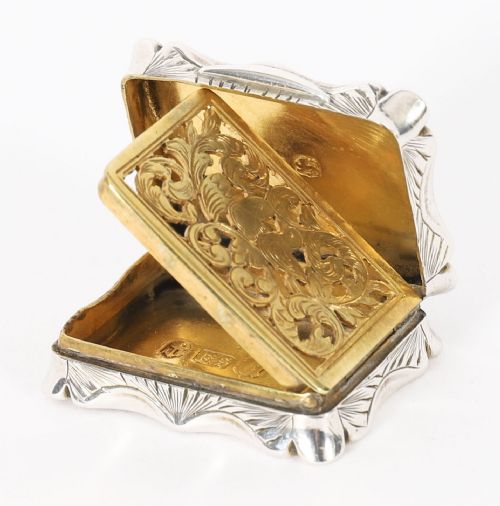
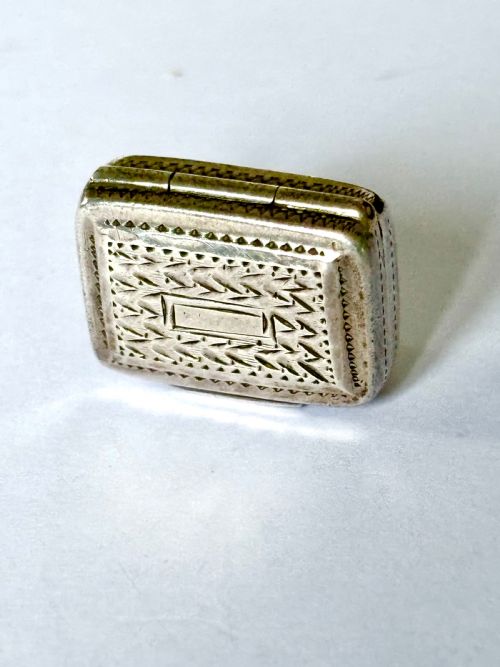
The version a buyer is most likely to meet on this page is the pocket-sized nineteenth-century container, particularly the vinaigrette or snuff box made in Birmingham by notable makers. These items combine solid silver construction with intricate gilt interiors designed to hold perfumes, spices, or tobacco.
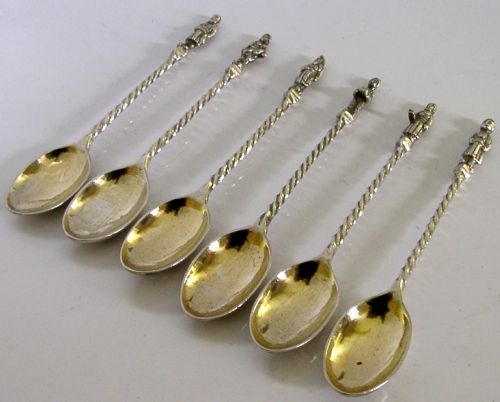
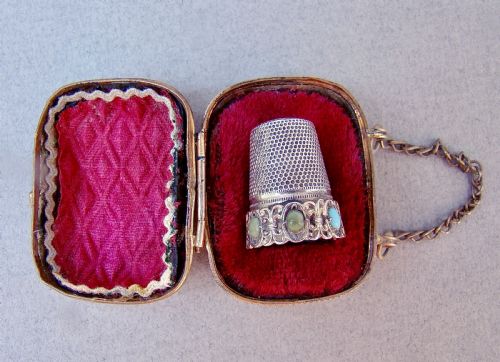
Beyond boxes, the selection includes sewing accessories, medical kits, souvenir spoons, and enamel-decorated compacts from later twentieth-century decades. Each object reflects the personal portable luxury of its respective period, finished in lustrous silver-gilt.
Materials and methods of construction
The objects recorded in the listings rely fundamentally on sterling silver or solid silver as a structural base, shaped through techniques like embossing, casting, and hand-engraving. Artisans applied a thin layer of gold over the silver surface through processes such as fire gilding, creating the characteristic rich yellow finish known as silver-gilt.
Many items incorporate supplementary materials to enhance their utility and visual appeal, including guilloché enamel, coloured stones, ormolu mounts, velvet linings, and internal sponge components. These mixed-media pieces demonstrate specialised craftsmanship, combining metalwork with precision stone-setting and enamel firing.
Collectable Silver Gilt Retail Price Guide 2026
Typical asking prices for collectable silver gilt among the pieces listed under this phrase on Sellingantiques today, from the lower quarter to the upper quarter. They describe what is for sale here now, not the wider market.
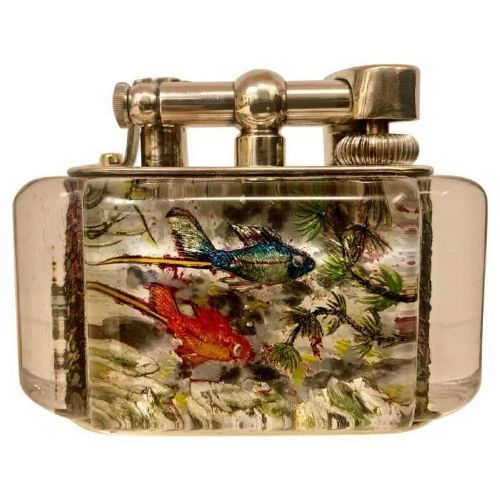
Even mid-century smokers could indulge in luxury, as evidenced by the half giant Dunhill aquarium table lighter.
What separates the finest examples
The presence of clear, well-stamped hallmarks indicating specific makers and assay towns elevates an item's standing. Additionally, the integration of complex secondary materials like polychrome enamel or precision mechanical mechanisms distinguishes standard utility pieces from superior works of art.
Joseph Willmore·Nathaniel Mills·Henry Matthews·Dunhill·Edward Smith·John Bettridge·Charles Horner·Houbigant
The Collectable Silver Gilt Glossary
- Silver-gilt
- Sterling or solid silver that has been coated with a thin layer of gold. This technique protects the silver underneath from tarnishing while providing the rich appearance of solid gold.
- Vinaigrette
- A small ornamental box featuring a perforated internal grille, designed to hold a sponge soaked in aromatic vinegar or smelling salts. They were widely carried in pockets during the Georgian and Victorian eras.
- Ormolu
- Finely ground high-carat gold cast and amalgamated onto a bronze or brass base object. It provides a bright decorative mount for items such as chatelaine cases.
- Guilloché enamel
- Enamel applied over a metal surface that has been mechanically engraved with an intricate repeating geometric pattern. This technique creates a shimmering wave effect beneath translucent colour.
- Chatelaine
- A decorative belt hook worn with a series of suspended chains carrying small utility items like thimbles, keys, or sewing tools. It served as both a practical holster and a display of social status.
Collectable Silver Gilt: Frequently Asked Questions
What is a silver-gilt vinaigrette used for?
A vinaigrette served as a personal accessory for holding aromatics during periods when unpleasant odours filled public spaces. The pierced internal grille allowed scented vapours to escape while keeping the damp sponge secure.
Collectors prize these small boxes for their intricate interior piercing and the quality of the gilding inside the lid. They represent miniature achievements in Georgian and Victorian metalworking.
How do I care for silver-gilt items?
Silver-gilt requires gentle handling because aggressive polishing wears away the microscopic layer of gold over time. Dusting with a soft cloth preserves both the metal and any delicate enamel work.
Store pieces away from direct sunlight and moisture, particularly items with velvet linings or internal sponges. Avoid liquid silver dips entirely, as harsh chemical cleaners strip the gilt surface.
What dates are common for these pieces?
The inventory spans several eras, with nineteenth-century Georgian and Victorian items forming a substantial portion of the available silver-gilt objects. Edwardian and mid-century examples from the nineteen-twenties to the nineteen-sixties also appear.
Maker marks and town assay stamps provide the most reliable method for dating British pieces accurately. Stylistic cues help identify foreign works like Ottoman spoons or French compacts.
Are enamel pieces fragile?
Enamel decorations require careful handling to prevent chipping or cracking if struck against hard surfaces. The glass-based material fuses to the metal base under high heat during creation.
Pieces featuring guilloché enamel or painted panels benefit from secure display away from high-traffic areas. When travelling with compacts or pill boxes, protective pouches prevent surface scratching.