

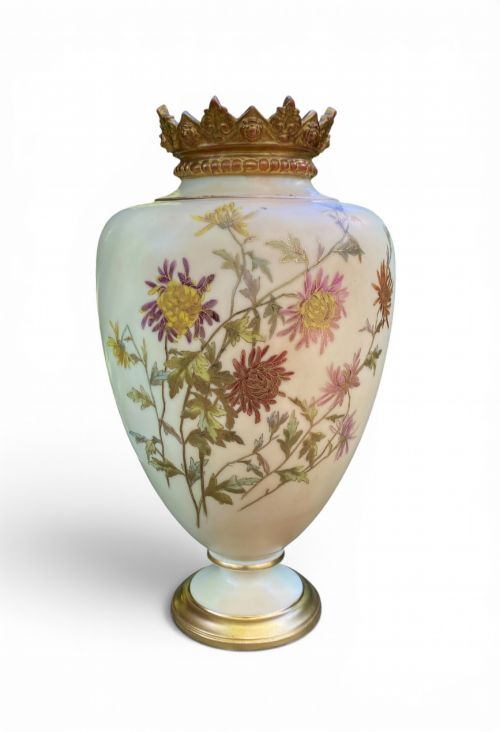
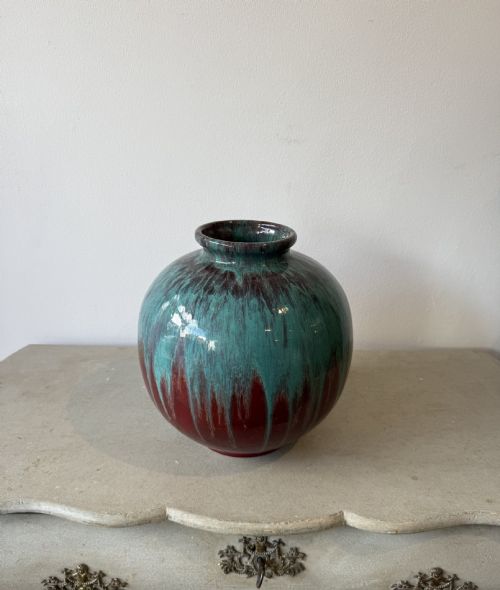


Collectable Pottery Vessel
A collectable pottery vessel brings tactile history to a room, offering centuries of ceramic artistry from English earthenware to Japanese flambé glaze.
Collectable Pottery Vessel
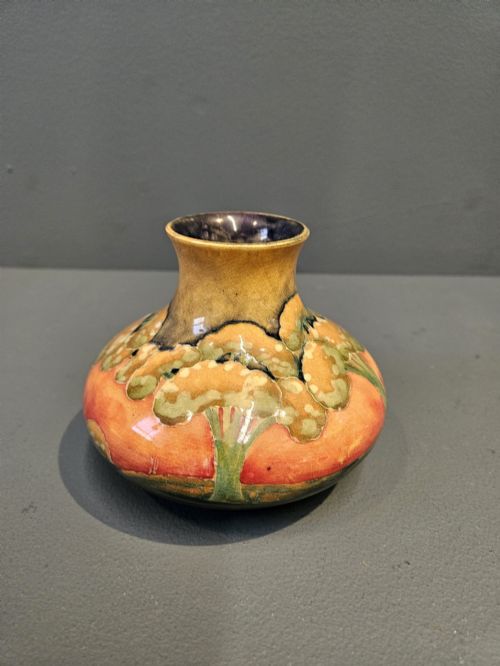
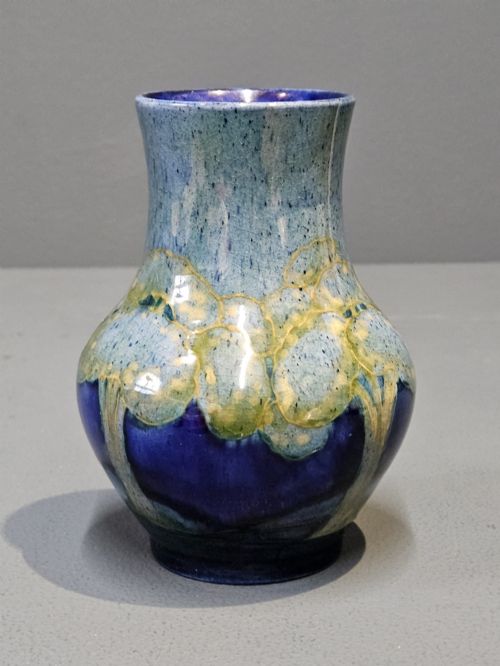
When you search for a collectable pottery vessel, you encounter an array of forms spanning the nineteenth and twentieth centuries. The selection encompasses vases, teapots, bowls, and pots from diverse aesthetic movements.
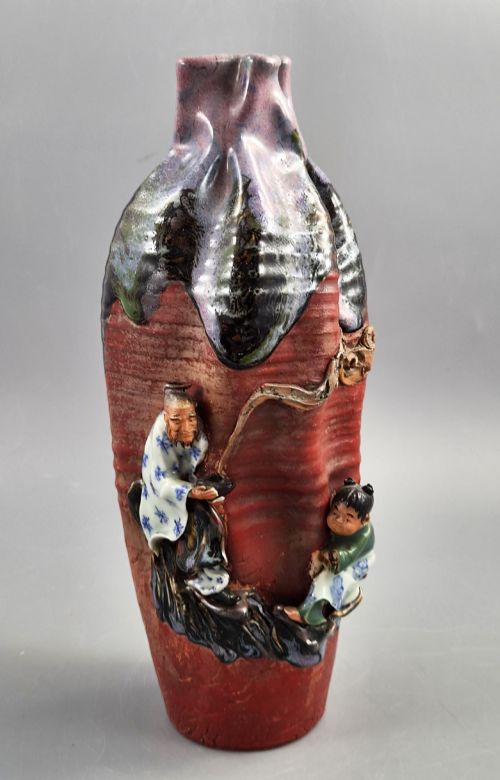
You are most likely to meet earthenware and porcelain pieces representing Arts and Crafts, Art Nouveau, and Art Deco styles. English factories and French studios dominate the origins alongside Meiji period Japanese works.
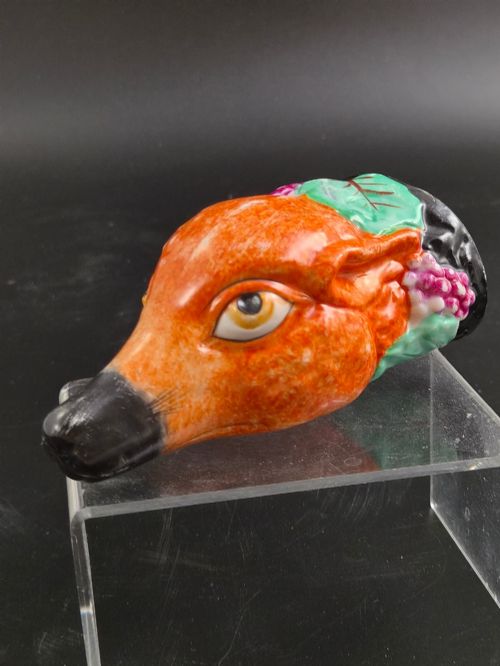
The objects range from large decorative bowls to small stirrup cups and milk jugs. Each item carries the distinct manufacturing traits of its specific decade of production.
Materials and technique
Makers shaped these pieces using ceramic, earthenware, stoneware, and porcelain bodies. Potters often applied specialised glaze treatments, including lavender flambé and lapis blue finishes.
Decoration techniques combined hand-painted surfaces with moulded reliefs and agateware patterning. Individual artists threw forms on the wheel or cast them before firing and glazing.
Collectable Pottery Vessel Retail Price Guide 2026
Typical asking prices for collectable pottery vessel among the pieces listed under this phrase on Sellingantiques today, from the lower quarter to the upper quarter. They describe what is for sale here now, not the wider market.
The inventory includes Arts and Crafts, Art Nouveau, Art Deco, and Victorian Aesthetic Movement styles across vases, teapots, and bowls.
Distinctions in quality
Quality rests upon the refinement of the ceramic body and the depth of the glaze application. Studio pieces with distinct artistic attribution display superior control over kiln firing effects.
The precision of hand-painted decoration and the crispness of moulded detail separate standard production items from distinguished factory or studio examples.
Royal Staffordshire·Royal Worcester·Royal Doulton·Pilkingtons Royal Lancastrian·William Moorcroft·Roger Guerin
The Collectable Pottery Vessel Glossary
- Earthenware
- Porous pottery fired at lower temperatures, requiring a glaze to hold liquids. It forms the body of many traditional jugs and teapots.
- Stoneware
- Dense, non-porous ceramic fired at high temperatures until vitrified. This material resists liquids naturally without requiring a glaze.
- Porcelain
- Hard, white, translucent ceramic made from kaolin and petuntse. It yields delicate vases and fine decorative tablewares.
- Flambé
- A streaked or mottled glaze achieved through copper reduction firing in the kiln. It produces unpredictable colour variations across the vessel.
- Agateware
- Pottery made by blending clays of different colours to create a marbled grain effect. The technique mimics natural stone throughout the vessel body.
Collectable Pottery Vessel: Frequently Asked Questions
How do I care for antique pottery?
Wash delicate earthenware and porcelain pieces by hand in warm water without harsh detergents. Avoid soaking items with historic glazes or unglazed earthenware bodies.
Keep vessels away from direct sunlight to protect painted surfaces and enamel decorations. Display them on stable surfaces away from high traffic areas.
What is the difference between earthenware and stoneware?
Earthenware is fired at lower temperatures and remains slightly porous unless glazed. It is common in nineteenth-century utilitarian and decorative items.
Stoneware reaches higher kiln temperatures, turning vitreous and completely impermeable to water. It offers greater structural durability for heavy vessels.
How do I identify Art Nouveau pottery?
Art Nouveau ceramics feature organic motifs, flowing plant tendrils, and asymmetrical forms. Glazes often mimic natural textures with iridescent or flambé finishes.
Look for stylized floral designs and sinuous lines popular around the turn of the twentieth century. Makers frequently applied these themes to vases and decorative bowls.
Are all marked pottery vessels valuable?
Marks indicate the maker or factory, but value depends equally on condition, artistic merit, and desirability. Factory stamps help date the piece accurately.
Unmarked studio pieces can command strong interest if the form and glaze quality reflect skilled artistry. Context and visual evidence guide the assessment.