
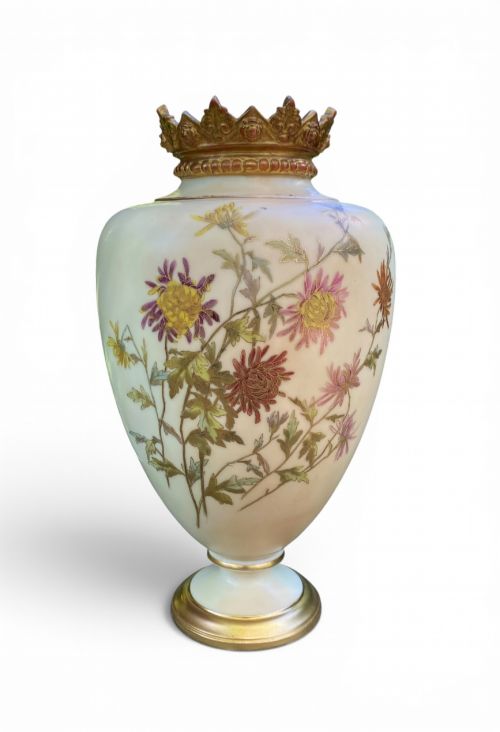


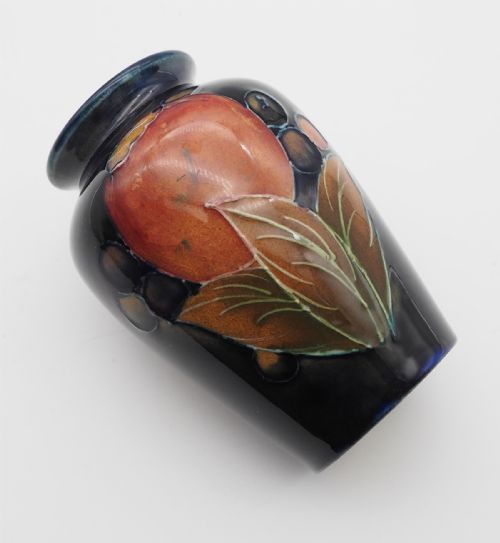


Collectable Pottery Vase
These collectable pottery vases span from Victorian production to mid-century studio pieces, bringing varied ceramic skill and distinct period glazes into your home.
Collectable Pottery Vase
A collectable pottery vase unites functional vessel forms with the decorative movements of the nineteenth and twentieth centuries, spanning periods from the Victorian era through the 1950s. You will encounter diverse ceramic shapes here, including baluster profiles, jugs, and standard decorative vessels.
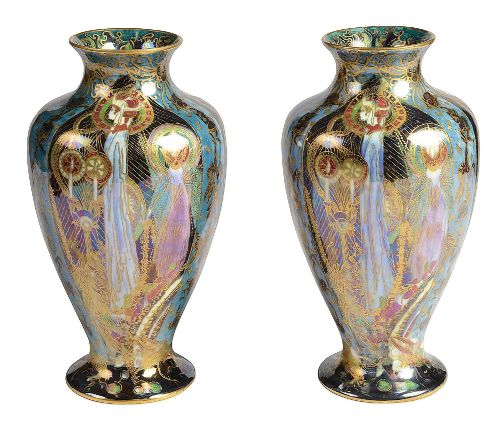
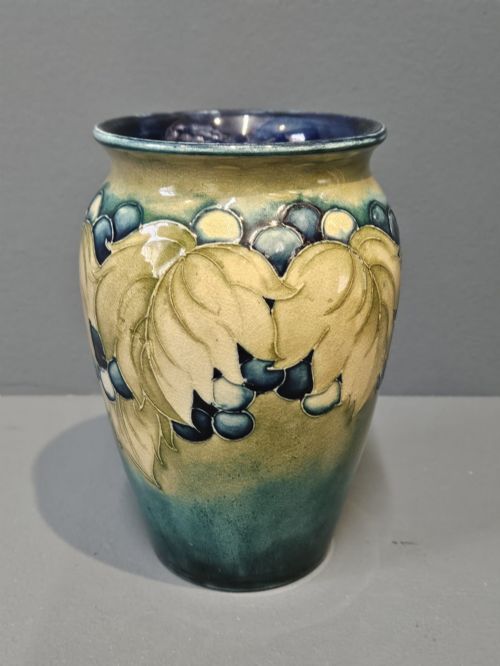
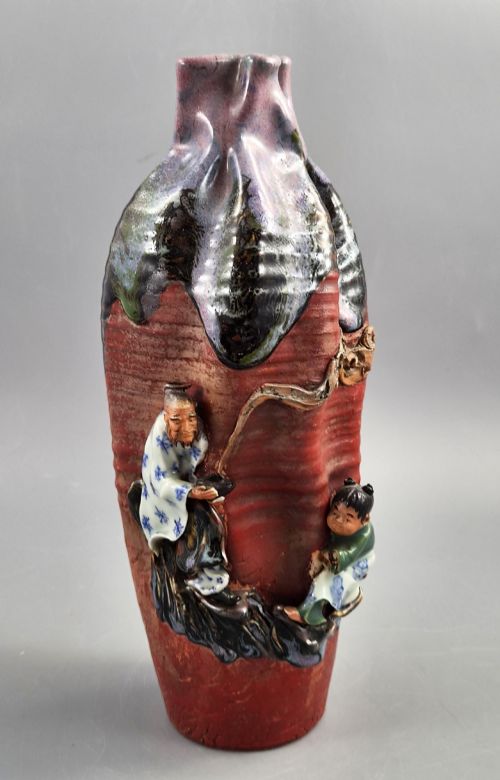
The pieces on this page draw from distinct design idioms such as Art Nouveau, Art Deco, Arts and Crafts, and the Meiji period. This selection frequently highlights earthenware and stoneware bodies, often enhanced by specialised glazes or enamel work.
Makers and potteries from Britain, France, and Japan dominate the selection, offering everything from large exhibition pieces to delicate miniature flower vessels. Each item demonstrates the prevalent ceramic techniques of its specific decade, from the late nineteenth century onward.
Materials and technique
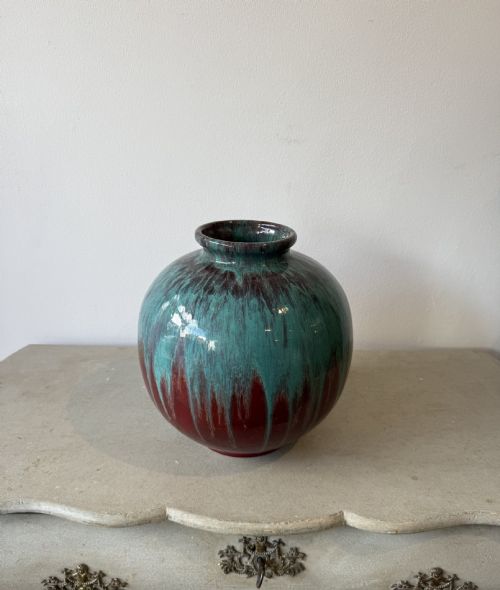
Potters shaped these vessels using earthenware, stoneware, bone china, and general ceramic bodies, sometimes applying gold leaf or enamel accents for surface enrichment. Glazing techniques range from fluid flambé finishes and celadon tones to lustrous and salt-glazed surfaces.
Decoration relied heavily on hand-painting, slip-trailing, and incised carving, executed either by factory artisans or independent studio potters. The application of specialised glazes required precise kiln temperature control to achieve the variegated textures seen across the periods.
Listings feature ceramics spanning the 1880s through the 1950s, utilising earthenware, stoneware, bone china, and specialised glazes.
Factors of quality
Quality in these vessels rests on the precision of the form, the depth and consistency of the glaze, and the clarity of any hand-painted or applied decoration. Masterworks show deliberate control over kiln effects and secure handling of intricate surface patterns.
The reputation of the maker or ceramic artist heavily influences distinction, alongside documented signatures, monograms, or factory stamps. Superior examples maintain crisp surface details and harmonious proportions without disruptive firing flaws.
Wedgwood·Moorcroft·Royal Worcester·Royal Doulton·Pilkingtons Royal Lancastrian·Roger Guerin
The Collectable Pottery Vase Glossary
- Baluster
- A vase form characterised by a rounded body that tapers toward the neck, resembling an architectural baluster. This shape provides a stable base and ample surface area for intricate decorative motifs.
- Flambé
- A rich, streaky glaze containing metallic oxides that produce unpredictable, variegated colour effects during firing. It is especially characteristic of Asian ceramics and European studio revivals.
- Earthenware
- Porous pottery fired at lower temperatures, requiring a glaze to render it waterproof. It forms the base for many decorative pieces in this collection.
- Lustre
- A metallic surface sheen achieved through a specialised reduction firing process that deposits a thin layer of metal film. This technique creates an iridescent, light-catching finish.
- Stoneware
- A dense, vitrified ceramic fired at high temperatures until non-porous and durable. It allows for robust vessels that resist moisture without necessarily needing an interior glaze.
Collectable Pottery Vase: Frequently Asked Questions
How do I date a ceramic vase?
Dating relies on identifying factory backstamps, registered design numbers, and stylistic markers associated with specific periods like Art Nouveau or Art Deco. Comparing the signature style to known production eras helps narrow down the decade of creation.
Material composition and glaze types also offer clues, as certain chemical formulations and artistic techniques were confined to narrow historical windows.
What is the difference between earthenware and stoneware?
Earthenware is fired at lower temperatures and remains slightly porous, making it better suited for decorative indoor vessels rather than holding water indefinitely. Stoneware undergoes firing at much higher heat, vitrifying the clay body into a durable, non-porous material.
Both materials support complex glazes, but stoneware generally offers greater physical resilience against daily wear.
Are miniature vases considered collectable?
Miniature flower vases were produced by major potteries as cabinet pieces or trial items, requiring high precision on a small scale. Collectors value them for their condensed artistry and the technical skill needed to throw and glaze tiny forms.
Signed or patterned miniatures often command attention equal to their larger counterparts due to their scarcity.
How should I display pottery vases safely?
Display these vessels away from direct sunlight to prevent delicate enamels or gold leaf accents from fading over time. Ensure they rest on stable, level surfaces where foot traffic or vibrations cannot cause accidental tipping.
If using them for fresh flowers, consider placing a small glass liner inside older earthenware to protect the porous body from moisture damage.