



Collectable Miniature Painting
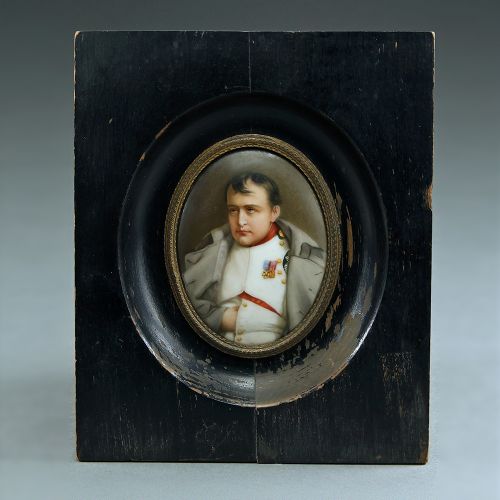
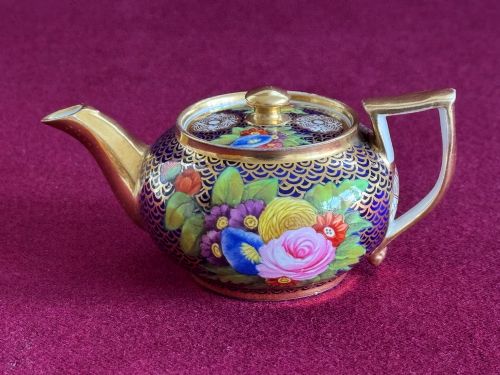
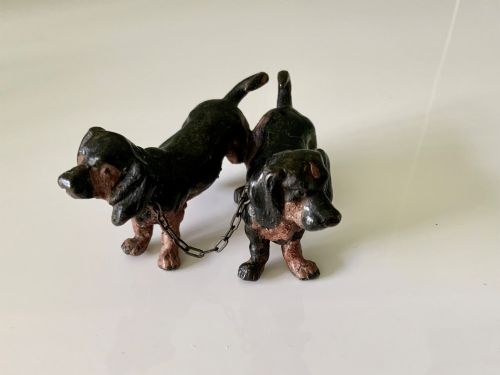
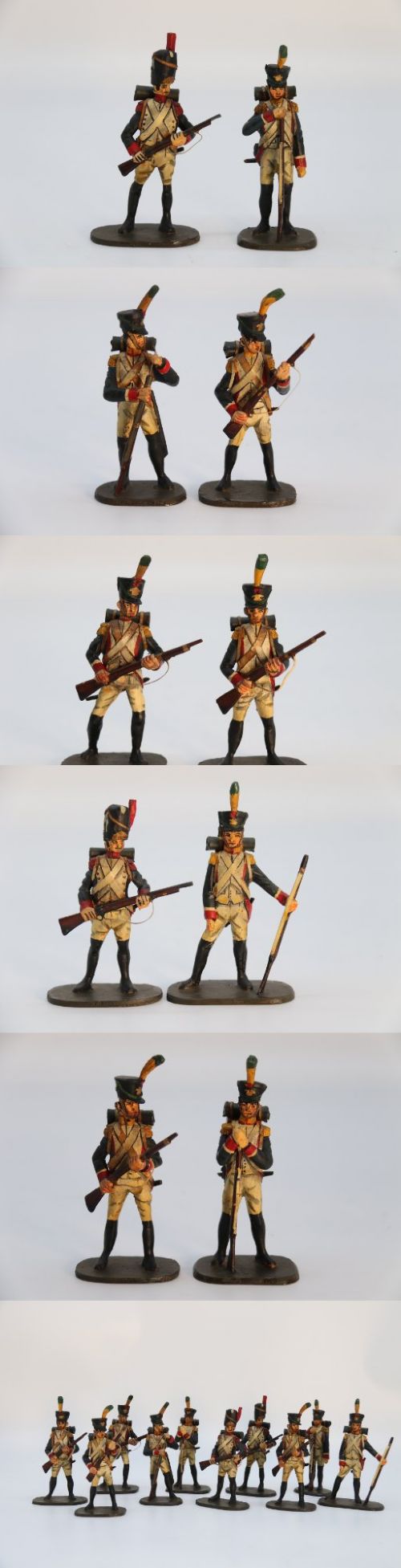
These collectable miniature painting examples span porcelain, bronze and carved wood, offering intricate detail in miniature scales.
Collectable Miniature Painting
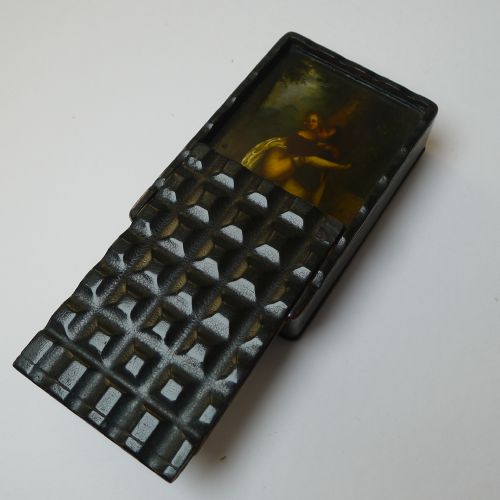
Collectable miniature painting encompasses small-scale works executed across diverse mediums such as porcelain, metal and wood. These portable pieces range from portrait miniatures to scale models and painted animal sculptures.
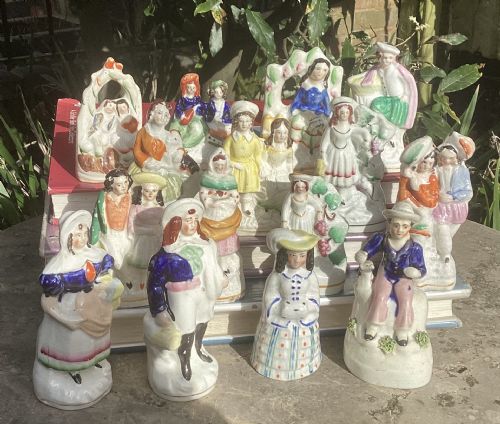
The selections encountered here reflect periods spanning the Georgian era, the Regency period, the nineteenth century and into the 1920s, 1930s and 1940s. Makers produced everything from delicate teapots and demitasse cups to cold painted bronzes and folk art figures.
Buyers frequently encounter items styled after Victorian, Edwardian, French Empire and Napoleonic traditions. Each piece represents a distinct application of fine art techniques scaled down for cabinet display.
How They Were Made
Artists utilised paint, gold leaf and enamel upon substrates including porcelain, wood, brass and bronze. Cold painting techniques applied directly to cast bronze brought metallic figures to life with layered colour.
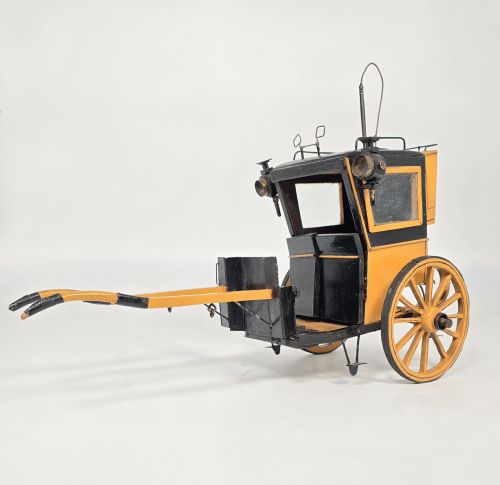
Makers employed careful hand carving for wooden objects such as Napoleonic soldier figures and farm carts, supplementing these with detailed brushwork. Porcelain items relied on factory glazing followed by precise hand-painted decoration.
Scratch built models and scale representations required meticulous construction using mixed metals and lead, finished with fine surface paints to capture realistic textures at a reduced size.
Collectable Miniature Painting Retail Price Guide 2026
Typical asking prices for collectable miniature painting among the pieces listed under this phrase on Sellingantiques today, from the lower quarter to the upper quarter. They describe what is for sale here now, not the wider market.
Listings feature works created across the Georgian and Regency eras, alongside twentieth-century pieces up to the 1940s.
What Varies In Quality
The integrity of the underlying material, whether cast bronze, hard-paste porcelain or carved wood, contributes substantially to the overall calibre. Intricate detailing such as gold leaf application and preserved cold painted surfaces elevate the standing of a piece.
Franz Bergman·Harry Stinton·Royal Worcester·Spode·Hutschenreuter
The Collectable Miniature Painting Glossary
- Cold painted bronze
- A sculpture technique where paint is applied to cold bronze rather than fired in a kiln, common in Austrian foundry work.
- Portrait miniature
- A small-scale painted likeness, typically executed on ivory, vellum or porcelain during the eighteenth and nineteenth centuries.
- Tygs
- A type of drinking vessel with multiple handles, produced in miniature form by factories like Royal Worcester.
- Demitasse
- A small cup used to serve Turkish coffee or espresso, frequently decorated with fine porcelain painting.
- Toy teapot
- A miniature ceramic teapot produced for cabinet display or children's dollhouses rather than daily tea service.
Collectable Miniature Painting: Frequently Asked Questions
What periods do these pieces date from?
The inventory covers items from the Georgian and Regency periods, through the nineteenth century, up to pieces created in the 1920s, 1930s and 1940s.
Such a timeline incorporates Victorian, Edwardian and early twentieth-century manufacturing traditions.
What materials are used in miniature paintings?
Makers utilised paint, porcelain, enamel, gold leaf, brass, bronze and wood across the various categories.
Specific objects combine these materials, such as bronze sculptures with cold painted finishes or porcelain items decorated in detailed enamel patterns.
How were these miniature objects displayed historically?
Many of these items were created for display in cabinets, on desks or within specialised collector groupings rather than practical utility.
Miniature teapots, portrait paintings and small bronzes were prized by collectors for their condensed craftsmanship.
Are scale models considered miniature paintings?
Several scale models and carved wooden figures incorporate painted elements alongside their construction, bridging the gap between model making and miniature art.
Items such as farm carts, cabs and soldier figures rely on surface paint to achieve historical accuracy.