

Collectable Desk Accessories
Collectable desk accessories turn writing into theatre, bringing silver, brass and tortoiseshell to the blotter from Victorian and Edwardian days.
Collectable Desk Accessories
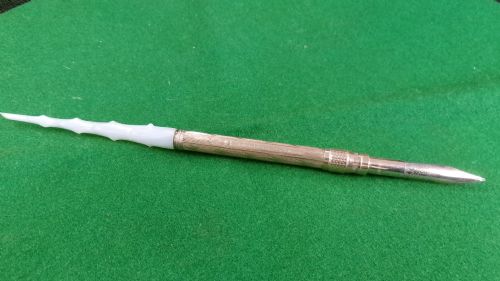
Collectable desk accessories span the functional tools once required for correspondence and administration, ranging from inkwells and stamp boxes to paperweights and dip pens. These items reveal the domestic and office rituals of the nineteenth and twentieth centuries.
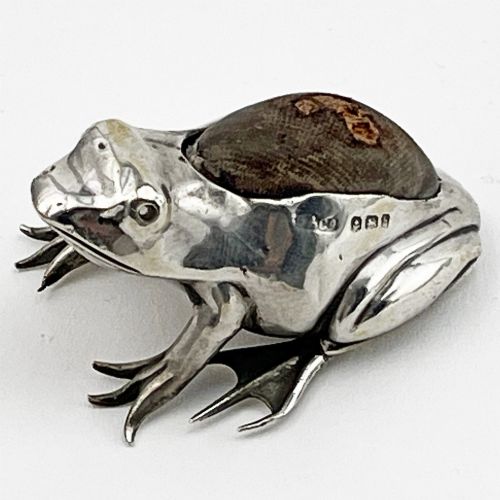
On this page, buyers frequently meet smaller silver novelties such as pin cushions shaped like animals, alongside desk models in brass and glass paperweights from the Art Deco period.
The selection bridges utilitarian desk furniture with decorative art, incorporating materials like Bakelite, wood and tortoiseshell alongside precious metals.
How they were made
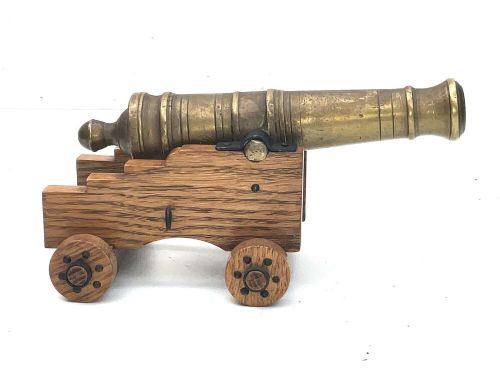
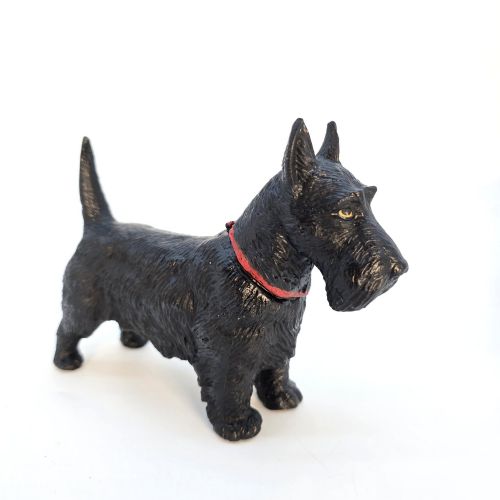
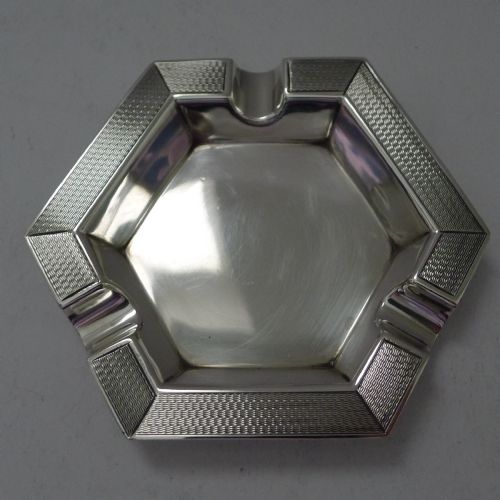
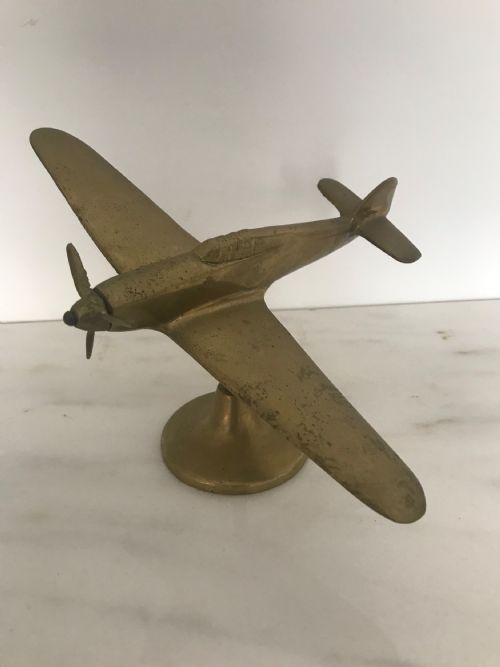
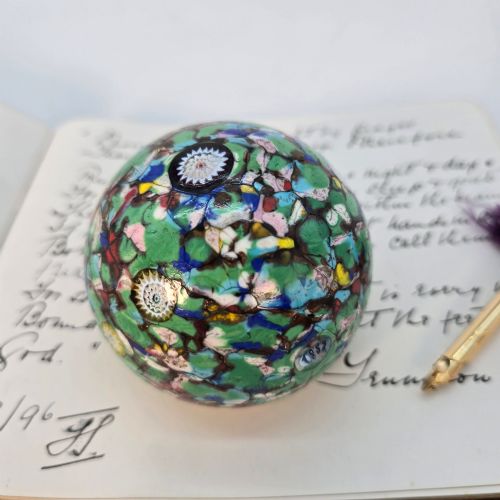
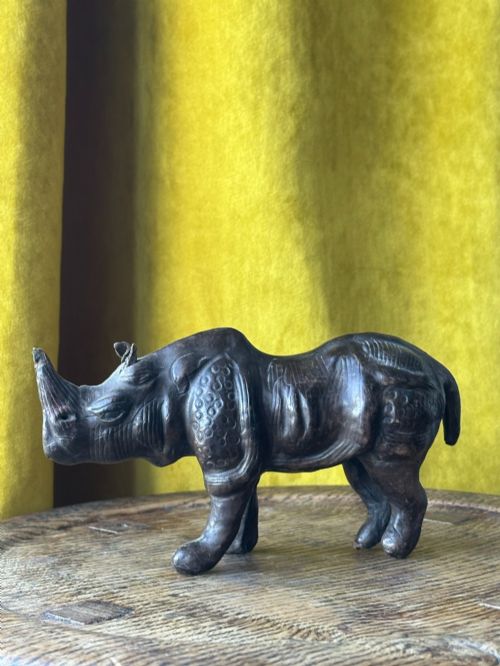
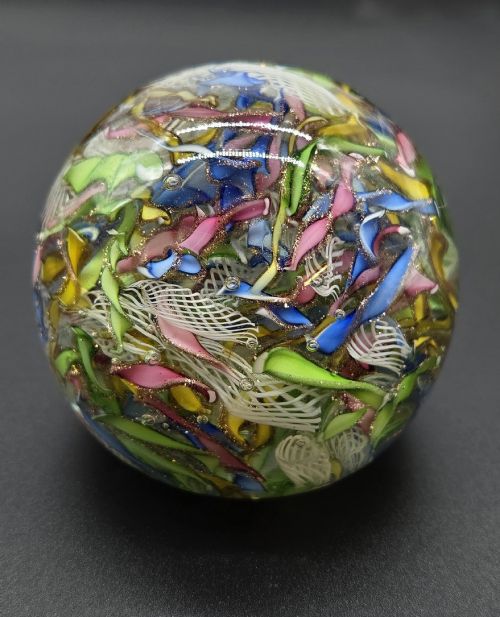
Makers utilised traditional metalworking techniques, casting brass and silver into elaborate animal figures, cannons and architectural models, or hammering sterling silver for ashtrays and presentation pieces. Glass pieces demonstrate blowing and scrambling methods, capturing bubbles and colour within solid paperweights.
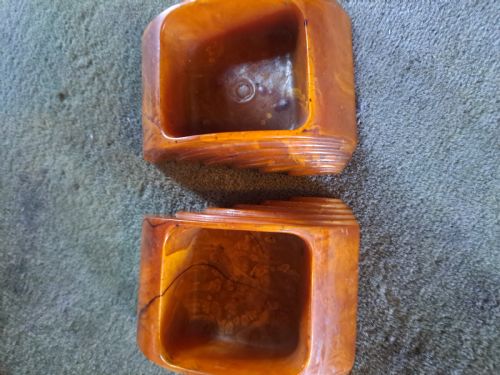
Organic materials such as tortoiseshell, amber and hardwoods like walnut and lignum vitae were turned, carved and polished, sometimes mounted with gold or brass hinges and trims.
Listings feature items spanning the nineteenth century through to the mid-twentieth century, utilising sterling silver, brass, glass and tortoiseshell.
What varies in quality
Quality rests upon the crispness of the casting in metal novelties and the precision of the maker's hand, where detailed engraving or hand-painted decoration elevates a standard utility item into a work of art. The integrity of the materials, from heavy solid sterling silver to unblemished Murano glass, dictates the permanence of the piece.
Provenance and association with known retailers or makers add distinction, separating everyday commercial production from bespoke or special order items.
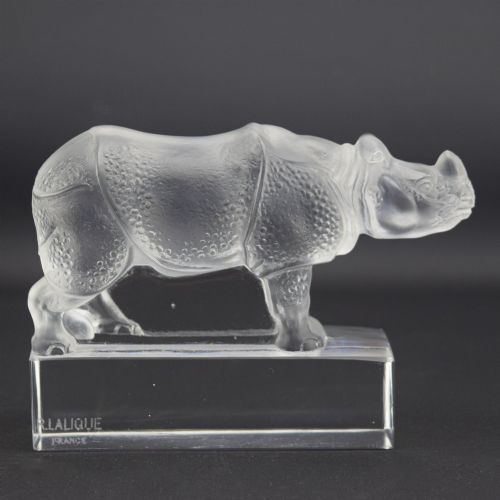
William Neale·Mabie Todd & Co·Rene Lalique·Liberty & Co·James Phipps I·Dunhill
The Collectable Desk Accessories Glossary
- Pin Cushion
- A small novelty object, frequently formed as animals or vehicles in silver, used to store pins on a dressing table or desk.
- Treen
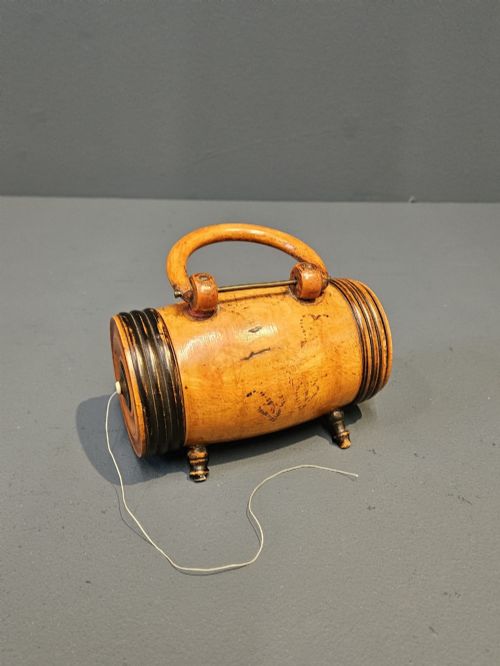
- Small handmade wooden objects, including string holders and boxes, shaped by turning on a lathe.
- Bakelite
- An early synthetic plastic utilised in the twentieth century for desk items like stamp wetters and lighters.
- Tortoiseshell
- The mottled shell of certain turtle species applied as a fine veneer to boxes and snuff containers.
Collectable Desk Accessories: Frequently Asked Questions
What are collectable desk accessories?
These are functional or decorative objects designed for writing tables and offices during past centuries. They include items like inkwells, paperweights and stamp cases.
They reflect the craftsmanship and writing habits of Victorian, Edwardian and mid-century periods.
How were antique inkwells used?
Antique inkwells held liquid ink for use with dip pens and fountain pens before the invention of the ballpoint pen. They sat on desks, often fitted with hinged lids to prevent the ink from drying out.
Many incorporated stands for pens or sanders to blot wet writing.
How do I date an antique desk accessory?
Dating relies on hallmarks on silver pieces, patent dates, material types such as Bakelite or tortoiseshell, and stylistic indicators like Art Deco or Victorian design motifs.
Makers' marks and engraved inscriptions also help pinpoint the exact era of production.
Can I use vintage desk accessories daily?
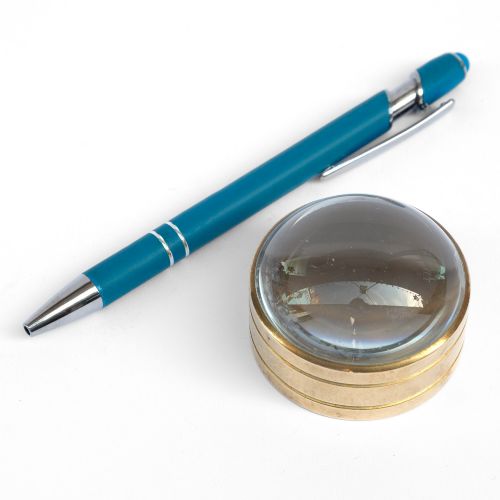
Many items, such as paperweights, magnifiers and letter openers, remain entirely practical for modern desks. Other pieces, like silver inkwells or antique stamp moisteners, are better suited for display.
Careful handling ensures delicate materials like glass and tortoiseshell survive everyday use.
What materials are common in desk accessories?
Common materials include sterling silver, brass, glass and various woods. Finer pieces incorporate tortoiseshell, amber and early plastics.
These materials often dictate the period and style of the object.