



Collectable Ceramic Vessel
These collectable ceramic vessel examples span distinct periods from the nineteenth century through the mid-twentieth century, offering decorative forms that collectors prize for their varied glazes and regional manufacture.
Collectable Ceramic Vessel
A collectable ceramic vessel encompasses diverse forms ranging from nineteenth-century porcelain and earthenware pieces to twentieth-century studio pottery and stoneware. Buyers exploring this category encounter functional items like teapots and creamers alongside decorative vases, bowls, and pot pourri urns.
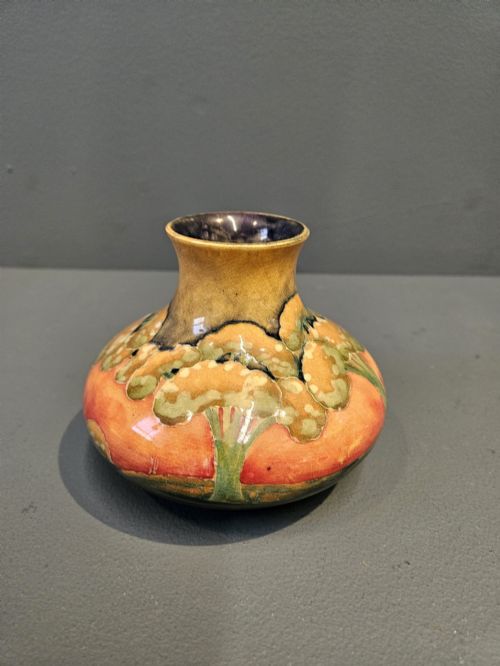
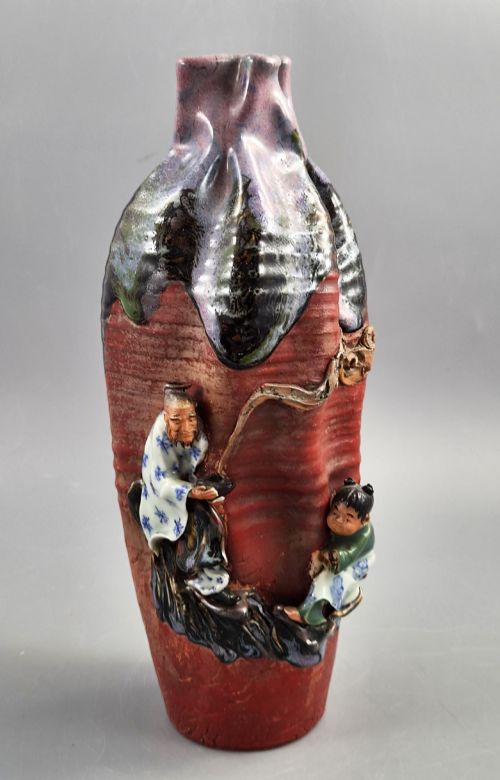
The most common examples on this page date from the late nineteenth century through the 1930s, reflecting Arts and Crafts, Art Nouveau, and Art Deco aesthetics. English factories such as Royal Worcester and Moorcroft share space with French and Japanese productions, notably Meiji period ceramics.
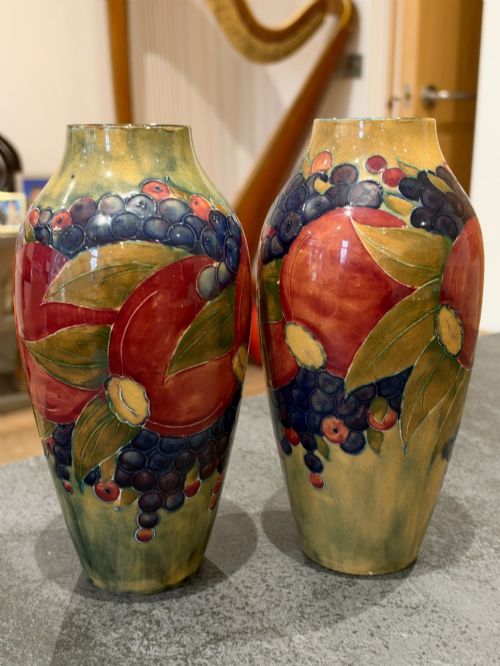
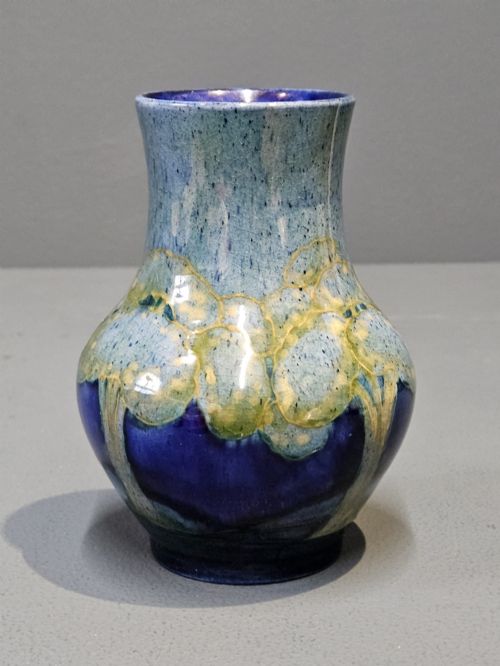
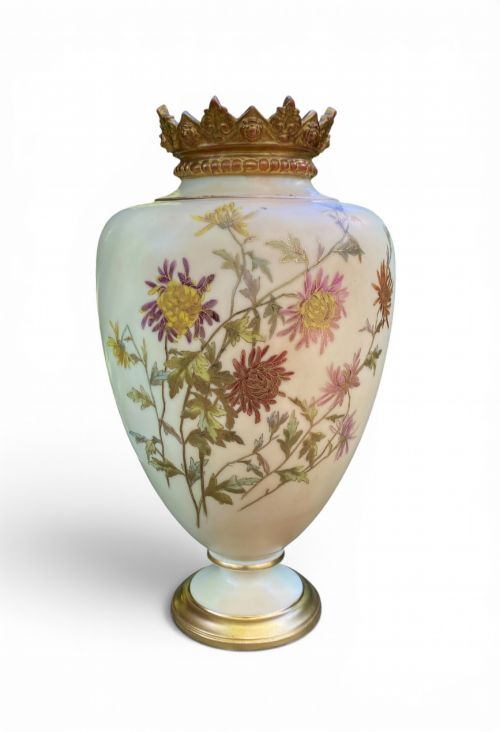
Vessels vary from straightforward moulded earthenware to elaborately decorated porcelain painted with fruit or sheep scenes. Makers utilised specific regional styles, producing everything from agateware double spouted teapots to flamminian ware and lapis blue vases.
Materials and methods
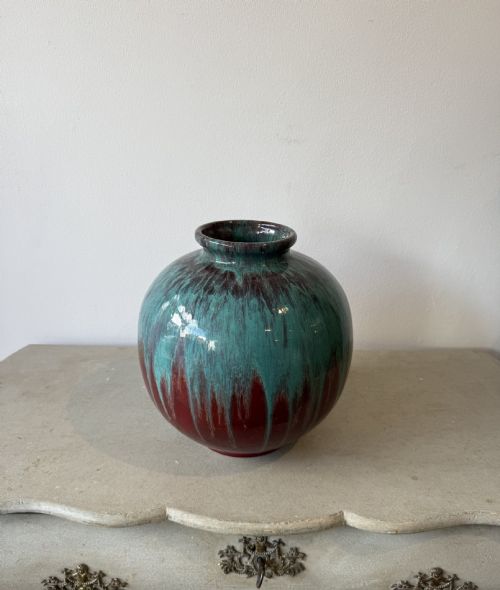
Potters shaped these vessels using traditional techniques across porcelain, earthenware, and stoneware bodies. Glaze application played a central role in surface finish, yielding effects such as lavender flambé and rich blue tones.
Decoration often involved hand painting directly onto the ceramic surface, sometimes enhanced with enamel or gold leaf details. Certain pieces relied on specialised clay mixing methods, such as agateware, to create distinct patterned bodies before firing.
Collectable Ceramic Vessel Retail Price Guide 2026
Typical asking prices for collectable ceramic vessel among the pieces listed under this phrase on Sellingantiques today, from the lower quarter to the upper quarter. They describe what is for sale here now, not the wider market.
Listings feature periods spanning from the nineteenth century through the 1960s, utilising porcelain, earthenware, stoneware, and enamel.
Evaluating quality and execution
Quality separates standard production wares from pieces bearing specific artistic attribution or hand-painted artistry by known decorators. Superior examples demonstrate precise control over glaze reactions, such as flambé effects, and crispness in moulded or thrown shapes.
Provenance and factory association heavily influence standing, with designs executed for firms like Liberty or signed by master artists commanding greater attention. The intricacy of hand-painted decoration, whether fruit or figural scenes, distinguishes finer decorative objects.
Royal Worcester·Royal Doulton·William Moorcroft·Roger Guerin·Pilkingtons Royal Lancastrian
The Collectable Ceramic Vessel Glossary
- Agateware
- Pottery made from blended clays of different colours to produce a grained or marbled effect resembling natural stone. This technique requires careful firing to maintain the distinct patterned layers.
- Flambé glaze
- A rich, streaky glaze containing metallic oxides that undergo chemical reduction during firing to create mottled colour variations. Lavender and deep reds frequently result from this unpredictable process.
- Pot pourri
- A decorative vessel pierced with small holes in the lid to diffuse scent from dried plant material inside. These pieces often feature elaborate painted ornamentation.
- Stirrup cup
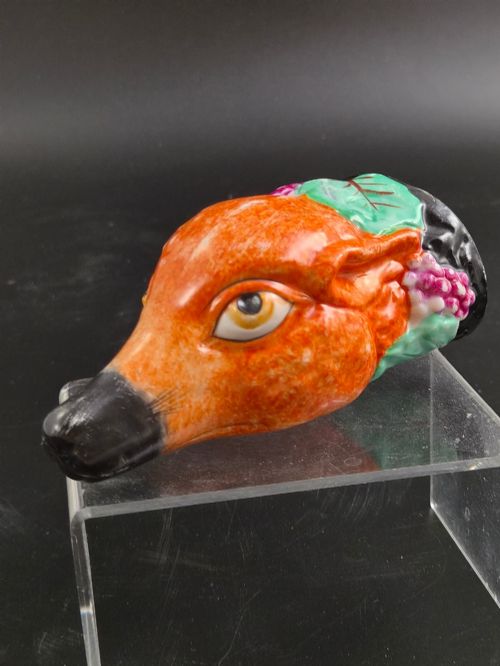
- A drinking vessel shaped like an animal head, traditionally handed to riders before a hunt without a flat base so it must be emptied entirely. Staffordshire potteries produced notable examples in porcelain and earthenware.
- Jackfield pottery
- A type of British earthenware characterised by a glossy black glaze over a red clay body, sometimes accented with gold leaf. Cow creamers and utilitarian forms frequently utilised this finish.
Collectable Ceramic Vessel: Frequently Asked Questions
What defines a ceramic vessel?
A ceramic vessel is any hollow earthenware, porcelain, or stoneware object designed to hold contents or serve a decorative function. This category encompasses vases, teapots, bowls, and ewers.
Such pieces range from utilitarian kitchen items to highly ornamental cabinet pieces produced by major European and Asian kilns during the nineteenth and twentieth centuries.
How are different periods identified?
Periods are determined by stylistic movements, factory marks, and specific manufacturing methods recorded across the pieces. Art Nouveau and Arts and Crafts designs point toward the late nineteenth and early twentieth centuries.
Examining the base marks, glaze chemistry, and painting style helps narrow down the exact decade of manufacture for unsigned items.
Where were these vessels made?
Manufacturing centres span English potteries in Staffordshire and Worcester, alongside continental European workshops in France. Japanese kilns also contributed significant decorative output during the Meiji period.
Each region maintained distinct traditions in clay preparation, potting techniques, and surface decoration.
How should ceramic vessels be displayed?
Displaying ceramic vessels requires stable surfaces away from direct sunlight to protect delicate enamels and painted surfaces. Cabinets or sturdy shelves prevent accidental tipping of heavy stoneware or porcelain.
Allowing adequate space around each piece highlights distinct glaze variations and form profiles.