


Collectable Sword
These collectable antique sword pieces span centuries of military and civilian craftsmanship, offering buyers both historical edge weapons and disguised walking sticks.
Collectable Sword
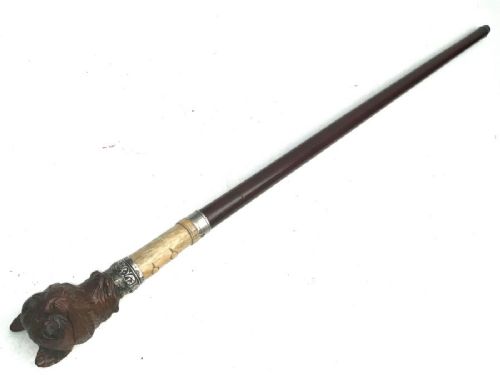
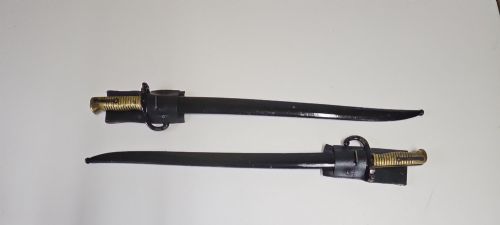
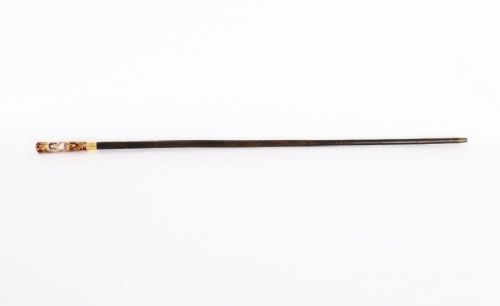
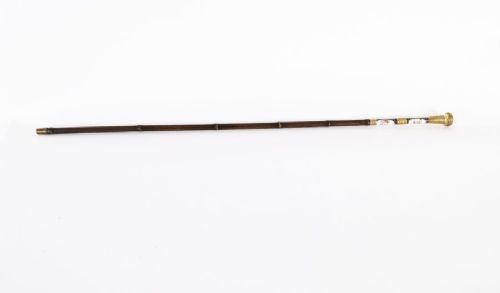
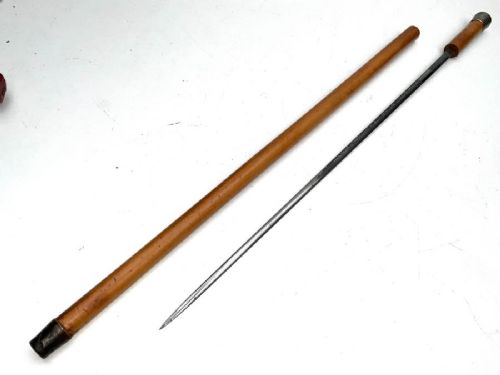
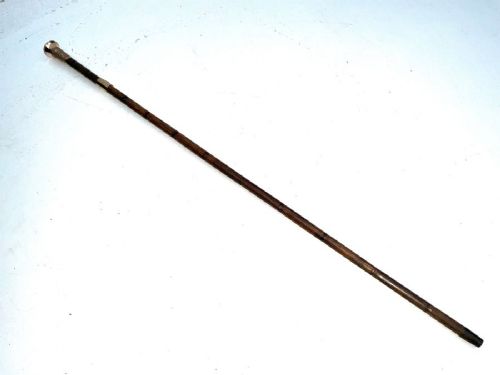
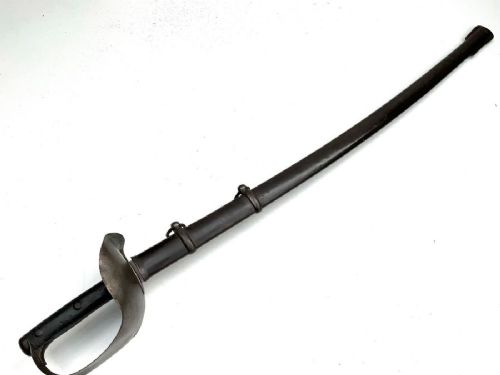
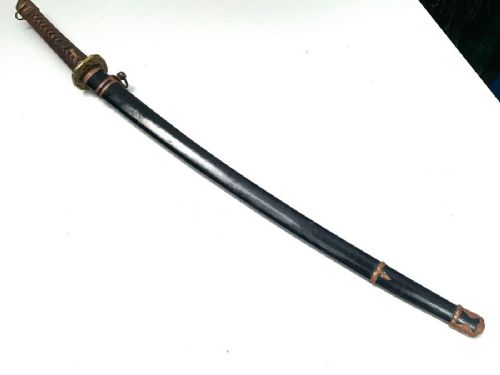
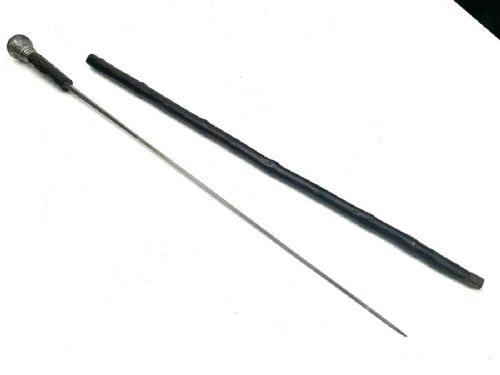
When you search for a collectable antique sword, you encounter a diverse range of edged weaponry and concealed blades spanning multiple eras. The selection encompasses military issue cavalry troopers and officers swords alongside gentleman's walking sticks containing hidden blades.
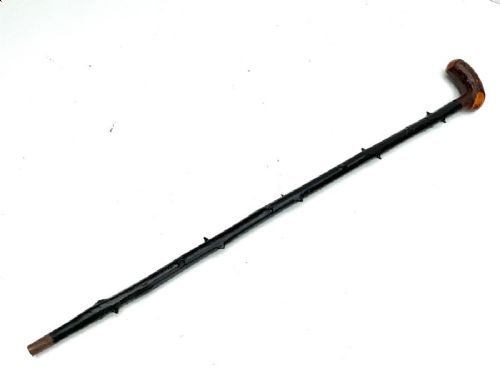
The civilian pieces frequently appear as walking sticks and canes featuring novel handles made from wood, horn, or porcelain. Alongside these sit traditional Irish blackthorn sticks and military officers swagger sticks equipped with concealed steel blades.
Military examples represent active service periods from the nineteenth and twentieth centuries, including French bayonets and cavalry swords. These items bridge the gap between practical combat gear and gentlemanly accessories from the Victorian and Edwardian eras.
How they were made
The construction of these pieces relies on traditional metalworking and woodwork, utilising steel for blades and various timbers for shafts. Makers fitted these steel blades securely inside wooden walking sticks or metal scabbards.
Materials such as brass, silver, leather, and porcelain appear in the handles and mounts. Artisans shaped horn, porcelain, and wood to form novel handles, often adding silver knops and decorative ornamentation.
Some gentlemen preferred a fierce porcelain or a silver horse head looking back up the street.
What varies in quality
Quality differences emerge in the execution of the handle and the finish of the steel blade. Pieces incorporating precious metals like gold plate or detailed silver horse head handles sit at a different level from standard wooden versions.
The structural integrity of the concealed mechanism within walking sticks dictates the standard of manufacture. Finer examples display seamless integration between the outer casing and the inner blade, utilising superior materials like porcelain or horn.
The Collectable Sword Glossary
- Sword stick
- A walking cane or stick containing a concealed steel blade within the shaft. This item was carried by gentlemen for personal protection.
- Bayonet
- A blade designed to be attached to the muzzle of a firearm for close combat. These pieces served standard military functions during the nineteenth century.
- Swagger stick
- A short cane carried by military officers as a symbol of authority. Some versions secretly house a blade.
- Malacca
- A type of rattan stem commonly used for walking stick shafts due to its strength and flexibility. It often forms the body of sword sticks.
Collectable Sword: Frequently Asked Questions
How do you release the sword?
Most sword sticks utilise a screw mechanism, a catch, or a simple friction fit to secure the blade inside the wooden shaft. Users twist or pull the handle to separate the outer casing from the inner steel.
Historical examples vary in their locking design, requiring careful handling to avoid damaging the wooden housing or the concealed blade.
What periods do these weapons cover?
The available pieces originate from the nineteenth and twentieth centuries, spanning Victorian, Edwardian, and mid-twentieth century military eras. Earlier centuries also appear through specific continental examples.
Victorian and Edwardian walking stick swords dominate the civilian selections, while military swords reflect active conflicts from later decades.
Are these swords legal to own?
Ownership regulations for antique swords and concealed blades depend entirely on your local jurisdiction and current legislation regarding edged weapons. Buyers must verify regional laws before purchasing.
Many jurisdictions exempt genuine antiques or historical items, but rules regarding concealed sword sticks can be particularly strict.
How should I display a sword stick?
Displaying a sword stick involves securing it in a manner that protects both the wooden shaft and the internal steel blade from humidity and temperature changes. Wall mounts or specialised display cases work well.
Keep the piece away from direct sunlight and moisture to preserve the wood, leather, and metal components over time.