




Collectable Animal Figurines
These collectable animal figurines bring character to a room through centuries of metalwork and porcelain.
Collectable Animal Figurines
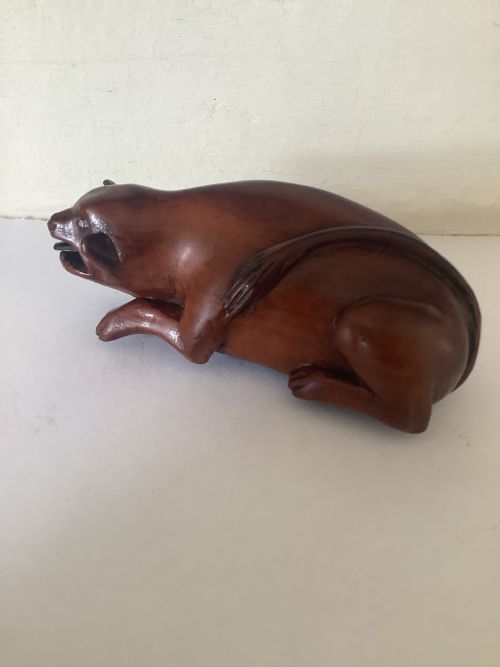
When you search for collectable animal figurines, you encounter a diverse array of small sculptural objects spanning the nineteenth and twentieth centuries. These pieces encompass domestic utility items such as silver pin cushions alongside purely decorative bronze sculptures and porcelain figures.
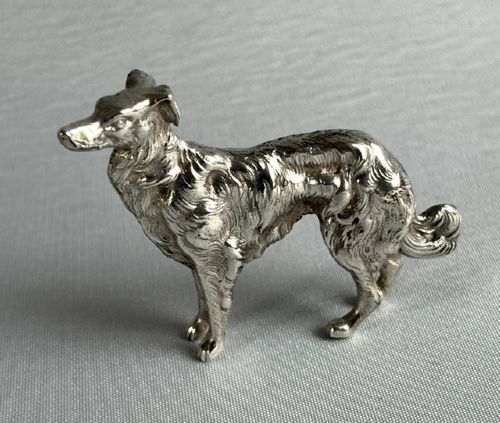
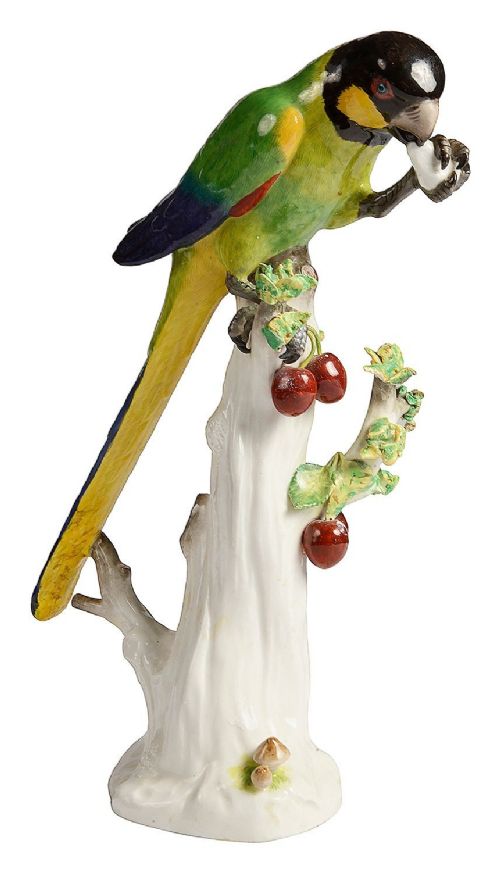
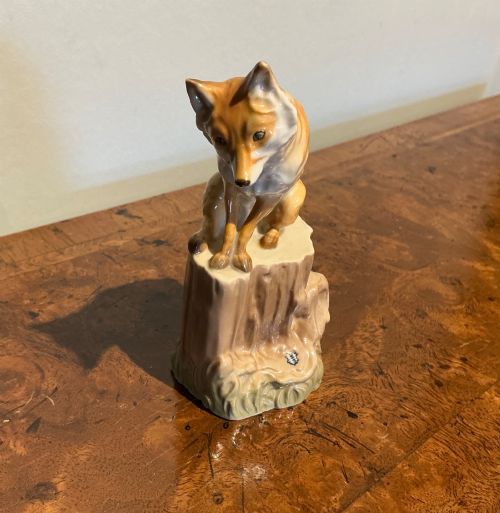
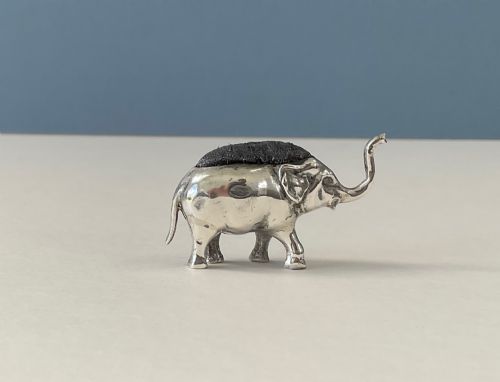
The selection on this page relies heavily on Edwardian novelty silver pin cushions formed as dogs, foxes, and birds. Alongside these sit continental bronzes from Austrian and French workshops, plus porcelain models from factories like Meissen and Nymphenburg.
Makers utilised various scales, ranging from miniature desk ornaments to substantial animalier bronzes. The range covers distinct historical periods including the Victorian era, Edwardian period, and Art Deco years.
How they were made
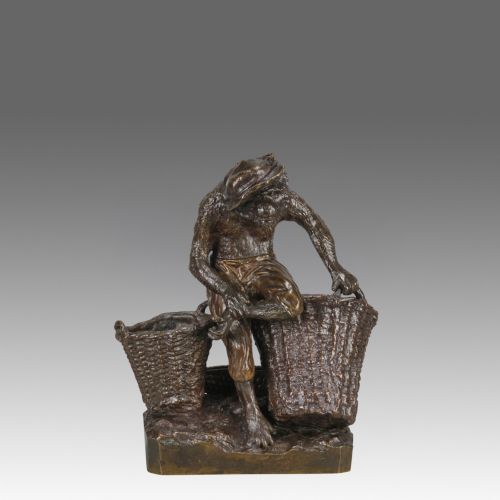
Metals such as sterling silver, bronze, and silver plate form the backbone of these pieces, often finished with cold painted decoration or patination. Bronze figures typically rely on traditional casting methods utilised by French animalier sculptors and Viennese foundries.
Ceramic works demand high-temperature firing of porcelain and enamel, seen in factory-produced figures from German and Hungarian makers. Artisans also employed velvet, fabric, and leather for specific domestic items like desk ornaments and pin cushions.
Collectable Animal Figurines Retail Price Guide 2026
Typical asking prices for collectable animal figurines among the pieces listed under this phrase on Sellingantiques today, from the lower quarter to the upper quarter. They describe what is for sale here now, not the wider market.
Silver hedgehogs and pug dogs stand ready to hold stray sewing pins on your desk.
What varies in quality
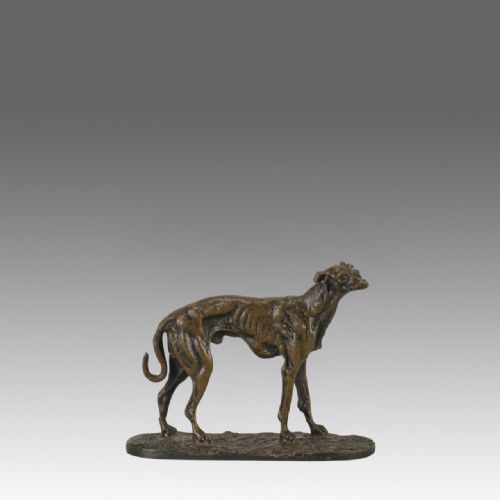
Quality rests upon the crispness of the casting in metal pieces and the subtlety of hand-painting on porcelain. Fine bronze sculptures exhibit careful attention to anatomical detail and fur texture, whereas lesser examples lose definition in the mould.
Makers' marks, stamps, and signatures contribute significantly to the standing of a piece, distinguishing standard commercial production from master foundry output. The preservation of original surface finishes, such as cold paint or patination, dictates the integrity of the object.
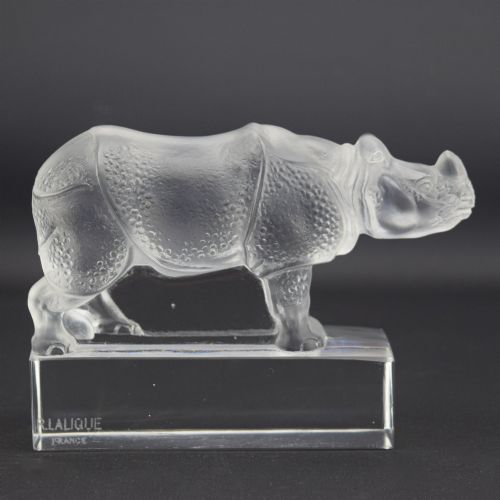
Christophe Fratin·P J Mêne·Rene Lalique·Liberty & Co.·Edith Parsons·Franz Bergman·A L Barye·Barbedienne
The Collectable Animal Figurines Glossary
- Animalier
- A nineteenth-century artistic movement dedicated to realistic depictions of animals, particularly in bronze sculpture. Practitioners captured beasts in dynamic or naturalistic poses.
- Cold painted bronze
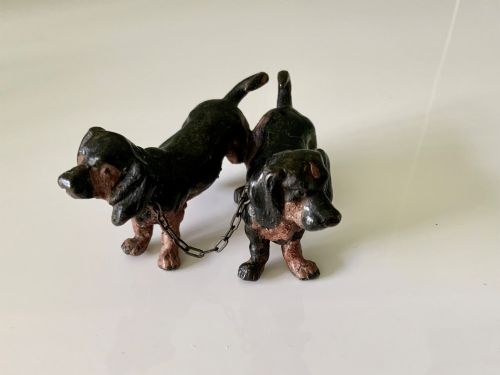
- A method where bronze sculptures receive paint applied after casting, without subsequent firing. This technique typifies Austrian novelty bronzes from the early twentieth century.
- Pin cushion
- A small domestic accessory used for storing sewing pins, frequently fashioned in silver as animals during the Edwardian era. These combine utility with whimsical novelty design.
- Patination
- The surface coloration developed naturally over time or applied chemically by an artisan. On bronze and silver, patination enhances depth and highlights sculptural contours.
- Porcelain
- A ceramic material fired at high temperatures to produce a hard, white, vitrified body. Factories employ it for finely modelled animal figures requiring detailed hand-enamelling.
Collectable Animal Figurines: Frequently Asked Questions
What are collectable animal figurines?
These pieces comprise small-scale sculptures and functional objects modelled on animals, produced across the nineteenth and twentieth centuries in materials like bronze, silver, and porcelain.
Collectors encounter everything from cast bronze dogs and desk ornaments to porcelain birds and silver pin cushions.
How were silver animal pin cushions used?
Edwardian silver pin cushions served a practical purpose on dressing tables and desks while offering decorative charm through whimsical animal forms.
Tailors and households kept pins within the fabric pads fitted into the backs of dogs, birds, and other creatures.
How do I identify bronze animalier sculptures?
Animalier bronzes focus on realistic animal anatomy and movement, typically bearing signatures from French or Austrian workshops and foundries.
Examining the underside often reveals foundry stamps, patination marks, or artist signatures that confirm origin and period.
How do I care for antique porcelain animal figures?
Porcelain figures require gentle dusting with a soft brush and safe placement away from direct sunlight and heavy vibrations.
Avoid immersion in water, particularly for pieces with hand-painted enamel or gold leaf details that can degrade over time.