





Cold Painted Animal
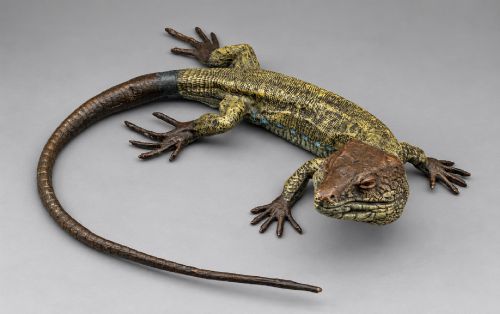
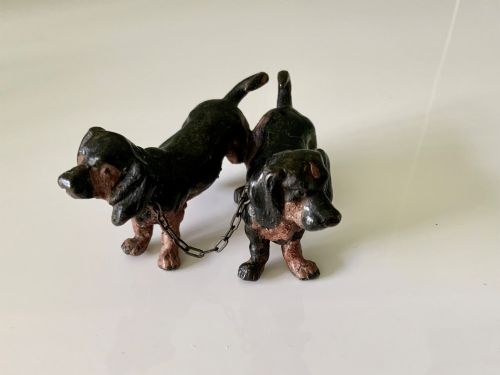
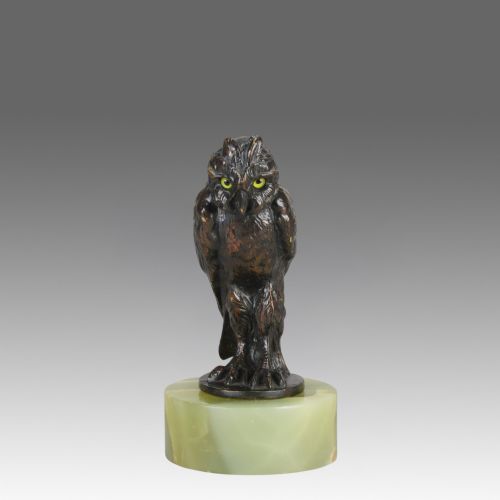
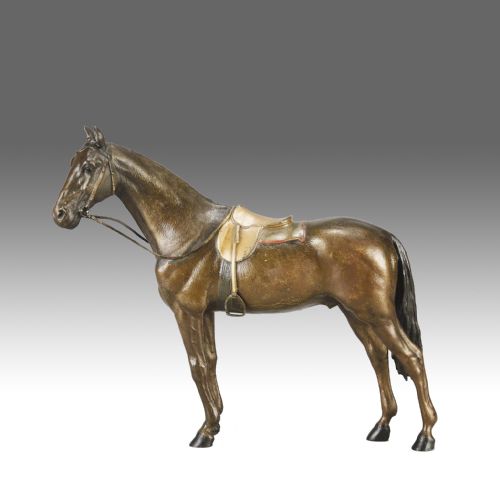
These cold painted animal sculptures combine detailed metalwork with vivid pigments to capture the character of wildlife and domestic pets.
Cold Painted Animal
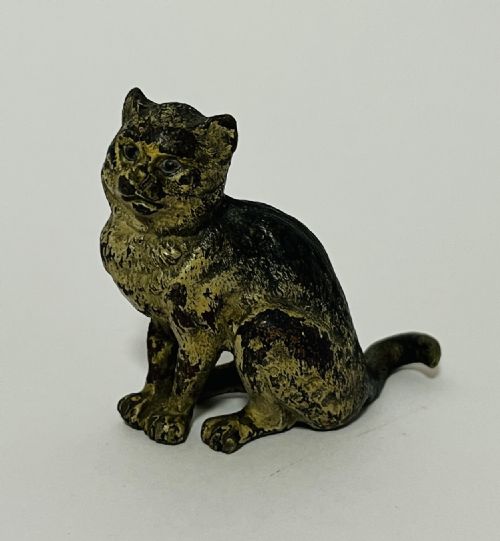
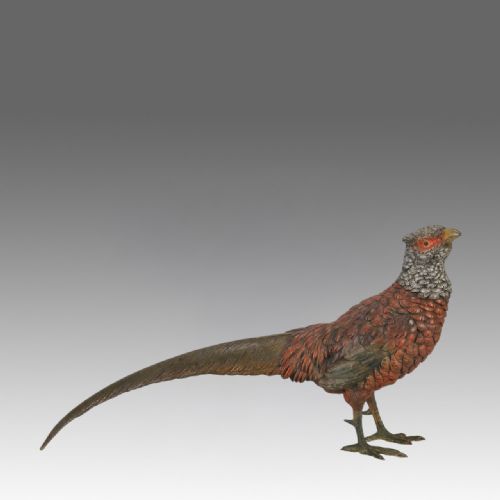
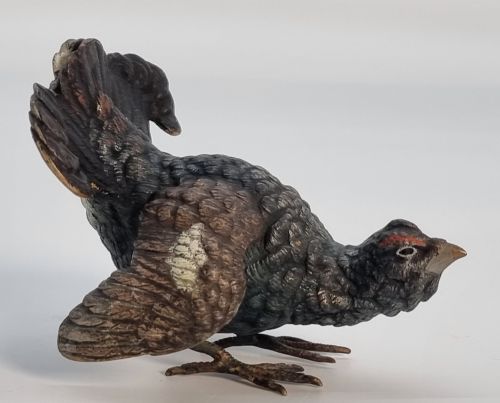
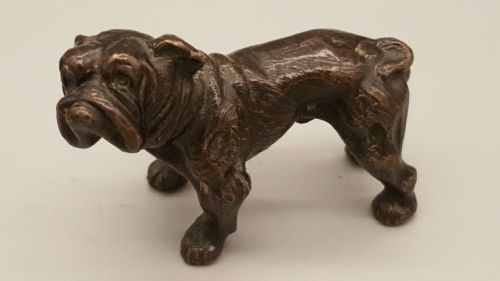
When you search for cold painted animal, you are looking at small sculptural figures that render dogs, birds, horses and wild beasts in cast metal and terracotta. The most common version you will meet on this page is the Austrian bronze, often associated with Vienna foundries from the nineteenth and early twentieth centuries.
The subjects range from domestic dogs like pugs, bulldogs and terriers to exotic birds, foxes and horses. Many function simply as desk ornaments or figurines, while others serve specific purposes such as inkwells, pin cushions or car mascots mounted on bases of green onyx or marble.
Materials and technique
The foundation of these pieces is typically cast bronze or spelter, shaped to depict fur, feathers and anatomical detail with precision. In some instances, terracotta is utilised instead of metal to create model dogs and animal figures.
Painters applied naturalistic pigments to the cold metal surface without firing the colour in a kiln, which accounts for the delicate finish that remains prone to gradual loss over time. Bases of green onyx or marble were occasionally added to support heavier bronze studies.
Cold Painted Animal Retail Price Guide 2026
Typical asking prices for cold painted animal among the pieces listed under this phrase on Sellingantiques today, from the lower quarter to the upper quarter. They describe what is for sale here now, not the wider market.
Listings feature items from the nineteenth century up to the 1930s, encompassing Art Nouveau and Art Deco styles alongside traditional Vienna bronze animal studies.
Distinctions in quality
The survival of the original cold painted surface dictates much of the appeal, as intact pigmentation requires careful preservation. Signed pieces by established makers carry greater recognition for their foundry execution and artistic fidelity.
Franz Bergman·Bernard Bloch·Jules Moigniez
The Cold Painted Animal Glossary
- Cold-Painted Bronze
- A bronze sculpture decorated with unfired paint applied to the surface. This technique allows for varied colouration on animals and birds.
- Vienna Bronze
- Small Austrian bronze sculptures produced during the late nineteenth and early twentieth centuries. These figures are renowned for realistic depictions of wildlife and domestic subjects.
- Spelter
- An alloy of zinc and lead used as a cheaper alternative to bronze. It forms the base metal for certain sculptural figures.
- Car Mascot
- An ornament mounted on the radiator cap of an automobile during the early motoring era. Boxer dogs and other animal figures were adapted for this purpose.
- Pin Cushion
- A domestic desk accessory incorporating a stuffed pad for pins. Figures like ibexes were sometimes cast to incorporate this functional element.
Cold Painted Animal: Frequently Asked Questions
What is a cold painted animal sculpture?
These pieces are small figures cast in bronze, spelter or terracotta, depicting dogs, birds and other creatures. Artisans applied naturalistic pigments directly to the hardened metal surface.
They were produced primarily in Austria during the Victorian and early twentieth-century periods as decorative ornaments and functional accessories.
How were these figures used originally?
Many served as decorative ornaments on desks, shelves and mantelpieces. Some designs incorporated practical elements like inkwells, pin cushions or automobile mascots.
Larger models functioned as standalone sculptures or terracotta statues displayed in domestic interiors.
How do I care for cold painted bronze?
Keep the pieces away from direct sunlight and moisture to protect the delicate unfired paint. Dust them gently with a soft brush rather than using liquid cleaners.
Avoid handling the painted surfaces frequently, as natural oils can cause the pigment to degrade over time.
How can I tell Vienna bronzes apart?
Vienna bronzes typically exhibit fine metal casting and specific naturalistic colour palettes depicting birds, dogs and wildlife. Look for foundry marks or Bergman stamps on the underside.
Heavier models are sometimes mounted on green onyx or marble bases characteristic of the early twentieth century.