




Coin Collector Chest
A coin collector chest is a purposeful piece of furniture designed to house numismatic treasures, uniting fine cabinetry with secure storage.
Coin Collector Chest
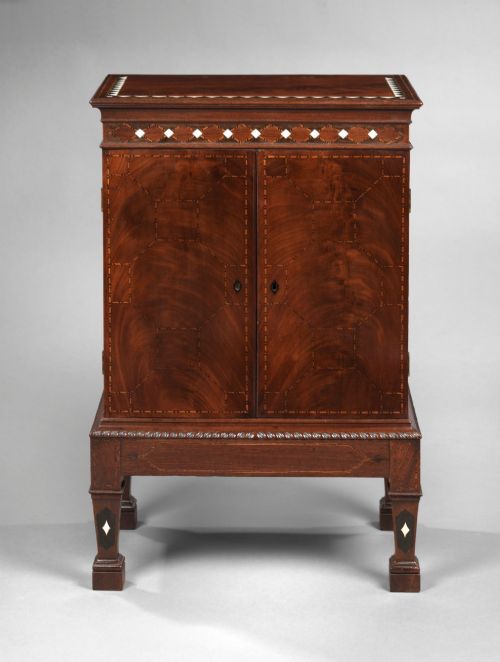
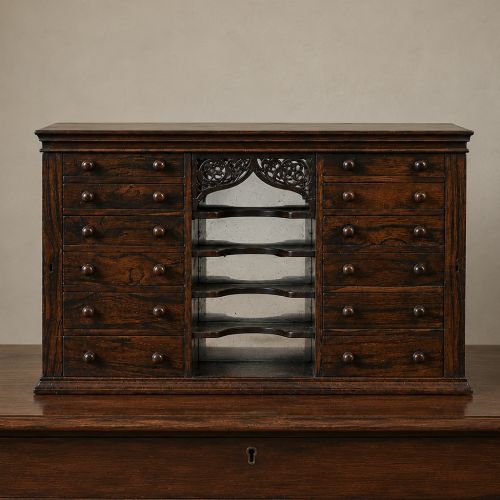
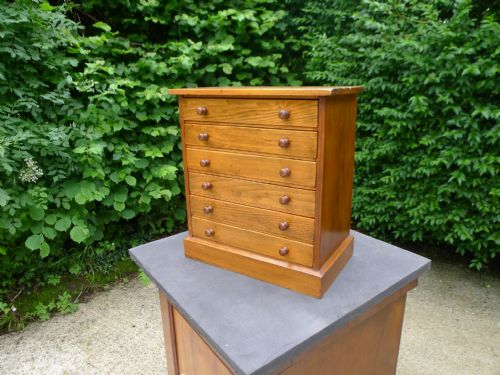
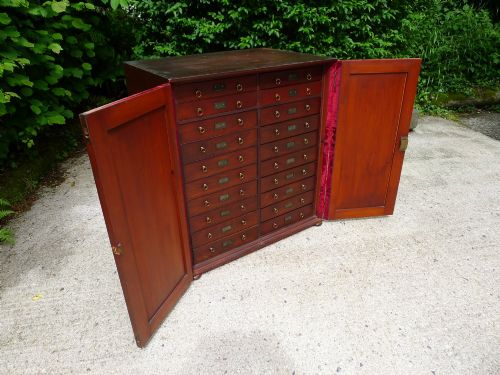
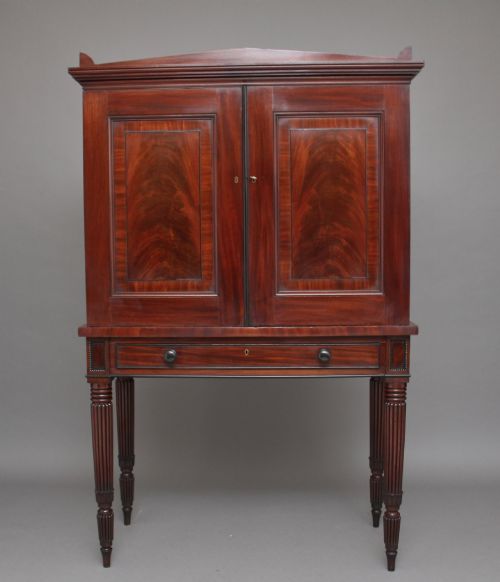
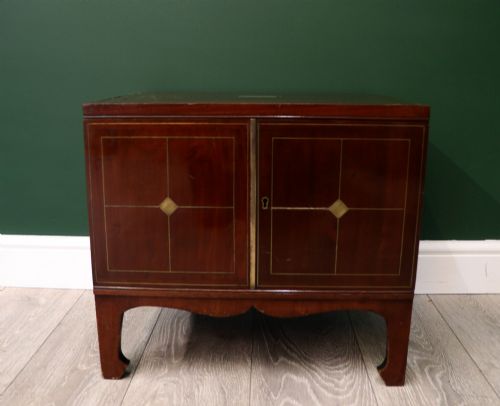
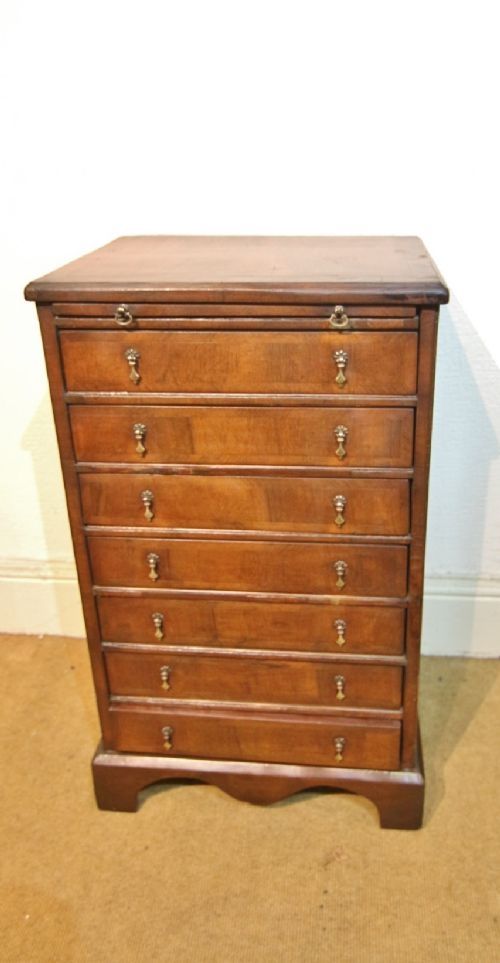
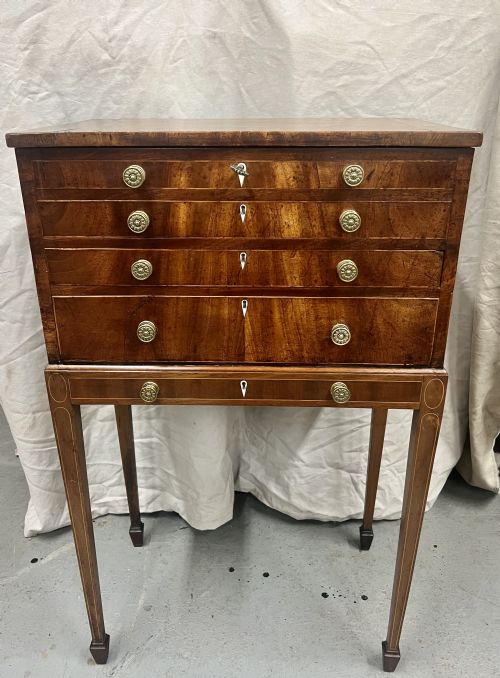
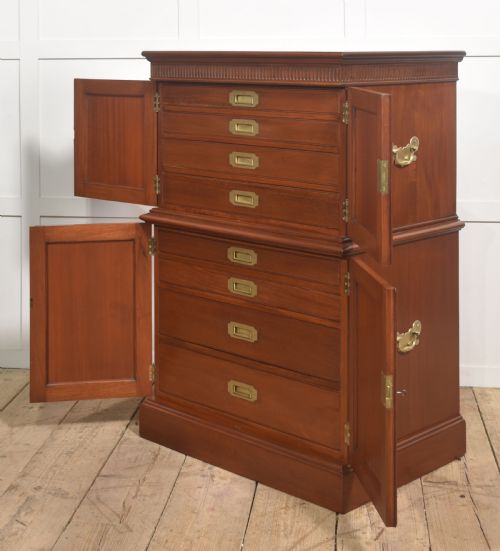
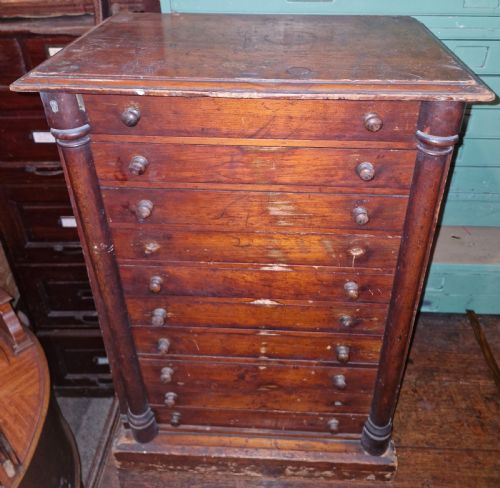
A coin collector chest functions as a specialised housing for small artefacts, featuring multiple shallow internal drawers designed to protect fragile or valuable items. The versions most commonly met on this page span the Georgian, Regency, and Victorian periods, manifesting primarily in timbers such as mahogany, walnut, and oak.
These pieces range from compact desktop specimen cases to substantial multi-drawer cabinets on stands. Many examples incorporate campaign styling, brass inlays, or glass fronts, reflecting the serious pursuits of nineteenth-century hobbyists who required both organisation and security.
How They Were Made
Cabinetmakers constructed these chests predominantly from dense hardwoods like mahogany, walnut, and oak, frequently utilising figured veneers to add visual depth to the exterior surfaces. Drawers were built with fine joinery to support heavy loads of metal items without sagging.
Brass fittings, including drop handles, flush campaign mounts, and secure locking mechanisms, were integrated to facilitate safe transport and protect the contents from unauthorized access. Secondary woods like pine and deal were occasionally employed for internal framing and drawer construction.
Several Victorian chests retain hidden locking mechanisms that require a specific sequence of movements to reveal the innermost storage compartments.
What Varies in Quality
The distinction between standard examples and the finest pieces lies in the choice of timber and the precision of the internal drawer construction. Superior chests feature dense Cuban mahogany or figured walnut with meticulously fitted partitions designed specifically for delicate specimens.
Makers' marks from notable workshops elevate the standing of a piece, alongside provenance that links the chest to historical collections. The integration of robust locking systems, well-preserved glass doors, and original brass hardware further separates everyday utility cabinets from exceptional masterworks.
Brady of Edmonton·Charles William Schofield
The Coin Collector Chest Glossary
- Campaign style
- Furniture designed for military officers on the move, characterised by brass corners, flush handles, and structural robustness. These elements allowed pieces to endure rugged transport.
- Specimen cabinet
- A specialised storage unit containing multiple shallow drawers intended for natural history or numismatic collections. They prioritize internal organisation and protection from dust.
- Wellington chest
- A tall, slender chest of drawers featuring a locking side pilaster that secures all the drawers simultaneously. This design offered high security for valuable contents.
- Standish
- A portable writing desk or stand equipped with inkwells and compartments, occasionally associated with multi-drawer storage units. They served administrative and collecting needs.
- Deal
- A softwood timber, typically pine or fir, commonly used for secondary carcase parts or less expensive cabinet interiors. It provided a stable yet economical structural base.
Coin Collector Chest: Frequently Asked Questions
What were coin collector chests used for?
These chests served as secure, organised repositories for valuable numismatic items, medals, and small antiquities. Collectors utilised the shallow drawers to lay out specimens flat for examination and classification.
The internal layouts prevented items from shifting or rubbing against one another during handling. This protected the condition and finish of delicate metal surfaces.
How do I care for a wooden collector chest?
Keep the timber away from direct heat sources and fluctuating humidity to prevent the wood and veneers from warping or cracking. Regular dusting with a dry, soft cloth maintains the polished surface without damaging the historic finish.
Wax the exterior occasionally using traditional beeswax to nourish the hardwood. Avoid using modern liquid polishes that contain silicones or harsh chemicals.
How do I date a antique collector chest?
Examine the secondary woods, drawer construction techniques, and hardware styles to determine the likely era of manufacture. Georgian pieces often display hand-cut dovetails and solid timber carcases, while Victorian versions may incorporate machine-sawn elements and varied secondary woods.
Maker stamps, handwritten labels inside drawers, and documented provenance provide the most precise chronological markers. Stylistic clues like campaign brasses or Georgian bracket feet also help narrow down the period.
Can these chests be used for modern storage?
The shallow drawers make these pieces suitable for organising modern jewellery, watches, fountain pens, or small craft supplies. The built-in locks also offer practical security for personal valuables.
Placing modern items inside historic lined drawers requires care to avoid staining or snagging older fabrics. Many owners line the drawer bases with modern conservation-grade materials to protect both the contents and the antique wood.