




Cobalt Porcelain Cup
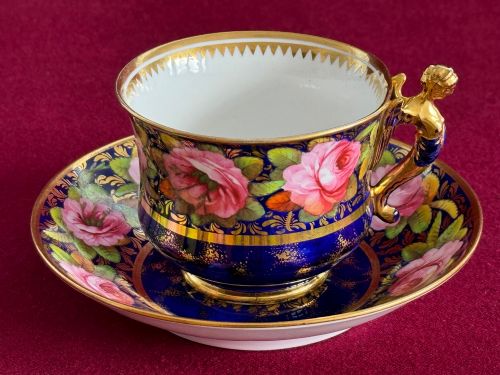
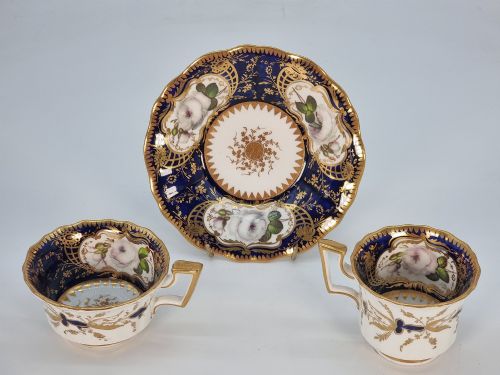
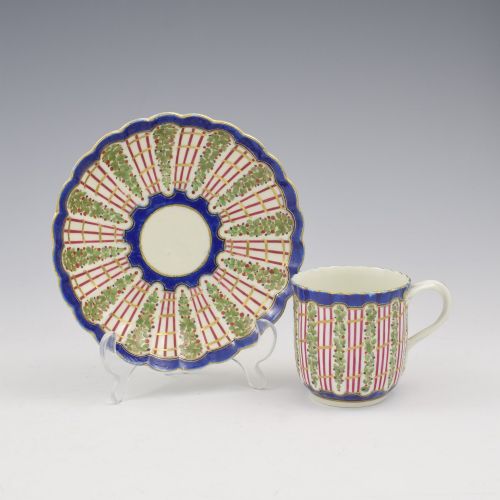
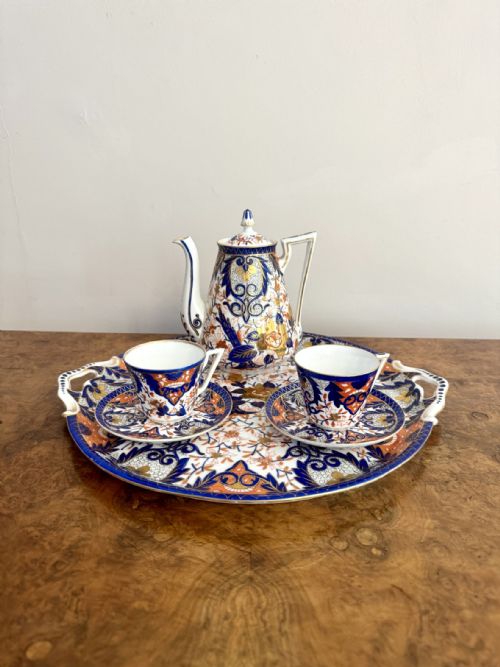
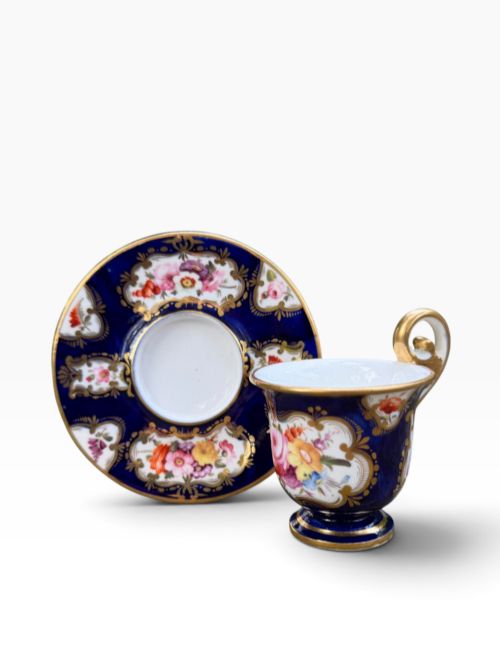
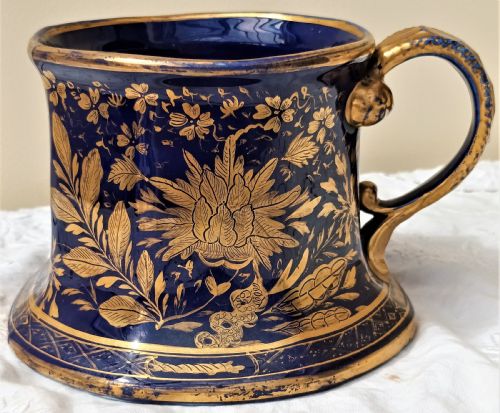
A cobalt porcelain cup brings deep blue underglaze and rich gilding straight to the table from Georgian, Regency, and Victorian potteries.
Cobalt Porcelain Cup
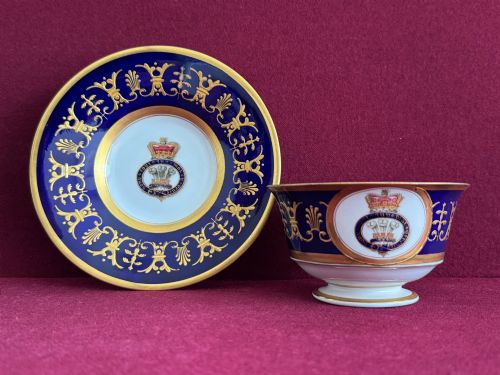
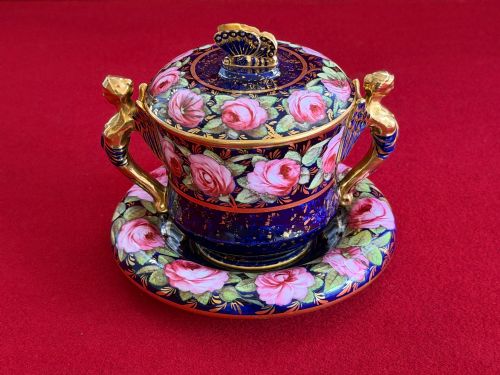
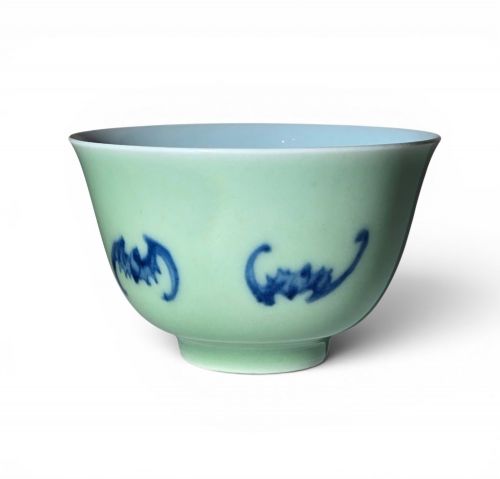
The selection ranges from English factories like Worcester, Spode, Coalport, and Derby to continental workshops, Russian factories, and Chinese export pieces. Forms vary from simple tea bowls to elaborate cabinet cups with image handles and covers.
How they were made
Potters shaped these vessels from soft-paste porcelain, bone china, and ironstone, applying cobalt decoration beneath or over the glaze before firing. Artisans then enriched many surfaces with gold leaf, hand gilding, and enamel highlights.
Factories utilised specialised techniques such as scale grounds, bat printing, and hand painting by masters like Thomas Steel to achieve their distinct patterns.
Cobalt Porcelain Cup Retail Price Guide 2026
Typical asking prices for cobalt porcelain cup among the pieces listed under this phrase on Sellingantiques today, from the lower quarter to the upper quarter. They describe what is for sale here now, not the wider market.
Listings feature porcelain, bone china, and ironstone across Regency, Georgian, and Victorian periods.
What varies in quality
The standard of a cobalt porcelain cup rests on the crispness of the underglaze blue and the precision of the hand-painted or gilt details. Earlier eighteenth-century pieces often display delicate potting and intricate hand-applied motifs.
Provenance and specific factory attribution, such as documented Worcester or Spode services, elevate individual pieces far beyond standard domestic wares.
Spode·Barr and Barr Worcester·Minton·Newhall·Coalport John Rose·Dr Wall Worcester·Mason·Derby·Lowestoft·Royal Worcester·Wedgwood·Gardner Moscow Factory·Royal Vienna·Yates
The Cobalt Porcelain Cup Glossary
- Coffee Can
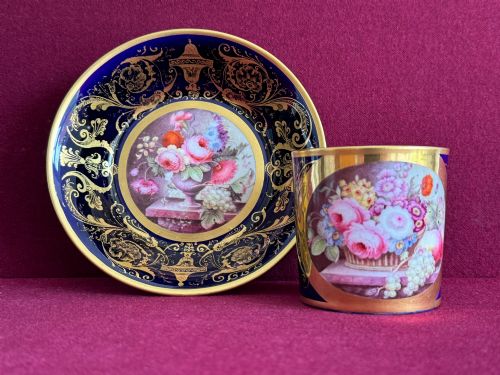
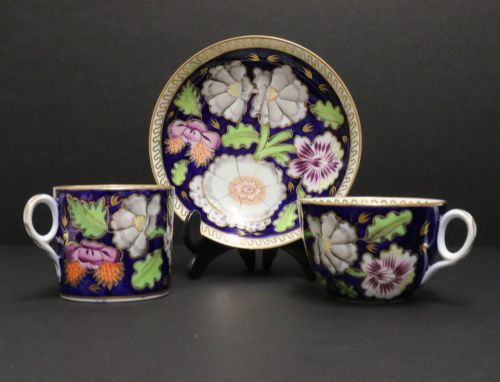
- A straight-sided cylindrical cup designed for drinking coffee during the eighteenth and nineteenth centuries. It typically lacks a footed base and appears frequently in matched duos with a saucer.
- Soft-Paste Porcelain
- An artificial ceramic body composed of white clay and glass frit, fired at lower temperatures than hard paste. It creates a warm, slightly creamy ground beneath the glaze.
- Gilding
- The application of gold leaf or powdered gold to ceramic surfaces, used to highlight rims, handles, and borders. On finer pieces, this gold is often chased or burnished by hand.
- Tea Bowl
- A handleless drinking vessel derived from Chinese prototypes, common in early eighteenth-century sets. Drinkers held the bowl directly in both hands to enjoy the tea.
- Underglaze Blue
- A cobalt decoration applied directly to the unfired ceramic body before glazing and high-temperature firing. This technique protects the blue pigment permanently beneath a glossy glass coating.
Cobalt Porcelain Cup: Frequently Asked Questions
What is a coffee can?
A coffee can is a straight-sided cylindrical cup made for drinking strong coffee in the Georgian and Regency periods. These pieces are typically narrower than standard teacups and feature looped handles.
They appear frequently paired with matching saucers in decorative cabinet sets and breakfast services.
How do I identify eighteenth century porcelain?
Eighteenth century pieces often feature unglazed foot rims, softer paste bodies with small imperfections, and hand-painted underglaze blue designs. Weight, glaze pooling, and potting thickness provide key clues to the era.
Comparing known factory marks and pattern types helps confirm the period of manufacture.
Can I use these cups for tea?
While these items were originally functional tableware, antique porcelain is exceptionally fragile and prone to thermal shock. Modern usage risks damaging the historic glaze, enamel, and delicate gilding.
Most collectors prefer to display these pieces in cabinets or use them strictly for decorative purposes.
What makes a piece a cabinet cup?
Cabinet cups are highly decorative items made primarily for display in glass-fronted furniture rather than daily use. They often feature elaborate handles, extensive gilding, and hand-painted pictorial scenes.
These pieces showcase the peak artistic capability of nineteenth-century factories.