


Cobalt Blue Tea Set
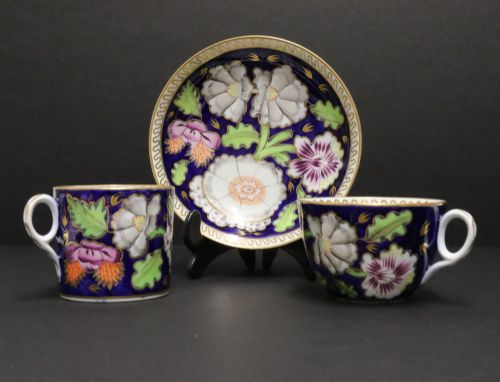
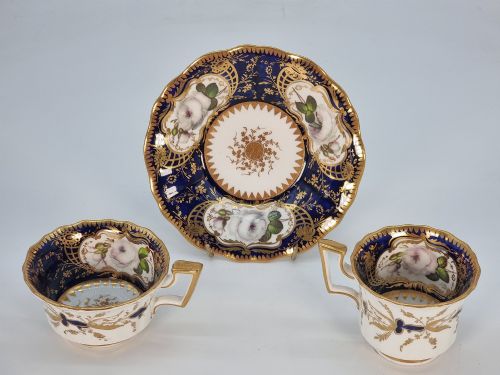
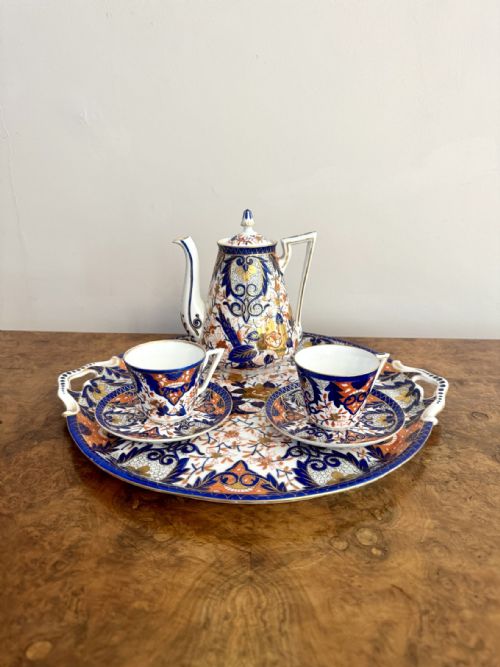
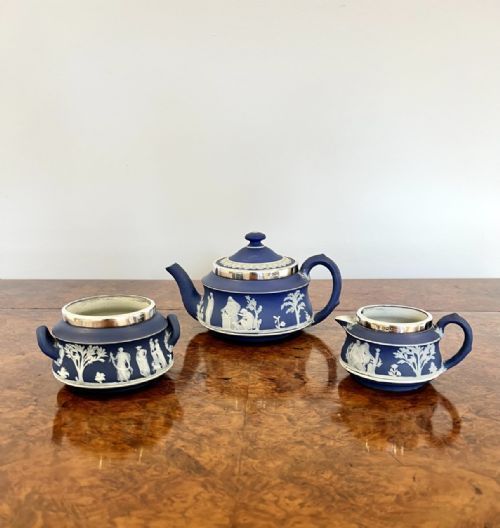
A cobalt blue tea set brings intense depth to the table, combining rich cobalt glaze with delicate porcelain and earthenware forms.
Cobalt Blue Tea Set
A cobalt blue tea set encompasses a variety of ceramic forms designed for serving tea and coffee, spanning periods from the 18th century through to the early 20th century. Buyers seeking this phrase will encounter groupings ranging from individual trios and cabinet pieces to full child's services and three-piece sets.
The selections on this page draw from English and Bohemian traditions, featuring distinct styles such as Regency, Georgian, and Victorian. Forms include teapots, sucriers, coffee services, and miniature solitaire sets alongside standard teacups and saucers.
How they were made
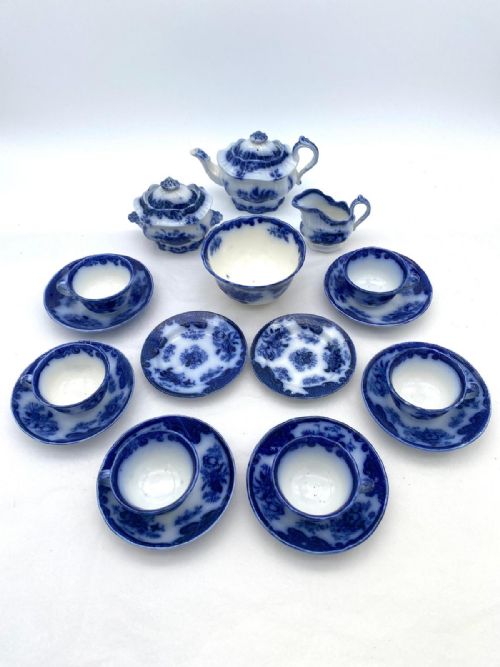
Potters utilised porcelain, bone china, earthenware, and ironstone as the foundational bodies for these vessels, applying cobalt glaze to achieve the characteristic deep blue ground. Many pieces incorporate transfer-printing techniques, notably seen in flow blue wares where the pigment bleeds softly into the glaze during firing.
Decoration often extends to hand-gilding, enamel work, and gold leaf applications, highlighting moulded patterns and raised details. Kiln work required precise control to ensure the cobalt glaze fused evenly with the underlying ceramic body before secondary firing of surface embellishments.
Children occasionally poured imaginary tea from miniature services long before adults ever touched the sugar.
What varies in quality
The standard of a cobalt blue tea set depends heavily on the crispness of the cobalt glaze and the precision of any hand-applied gilding or enamel. Earlier examples from established periods display finer potting and more deliberate brushwork in decorative motifs.
Subtleties in the ceramic body, such as the translucency of the porcelain or the weight of the ironstone, distinguish standard production wares from high-status cabinet pieces. The complexity of the pattern and the completeness of matched services further define the standing of individual items.
Newhall porcelain·Coalport John Rose·Copeland·Wedgwood·Royal Davenport·Ridgway Porcelain·Moser·Worcester·Masons Patent Ironstone·Spode·Royal Crown Derby
The Cobalt Blue Tea Set Glossary
- Cobalt Glaze
- A deep blue ceramic glaze coloured with cobalt oxide, stable at high kiln temperatures. This glaze provides the rich background colour characteristic of these sets.
- Trio
- A matching set comprising a teacup, saucer, and matching side plate. They form the fundamental unit of many antique tea services.
- Flow Blue
- A style of transfer-printed earthenware where the cobalt colour deliberately blurs into the white glaze during firing. This technique creates a soft, hazy appearance across the pattern.
- Ironstone
- A patented heavy earthenware developed for durability and resistance to chipping. It serves as a sturdy alternative to finer porcelains while accepting deep glazes well.
- Sucrier
- A small covered vessel designed to hold lump or loose sugar for tea service. They often match the teapot and cream jug in a standard three-piece arrangement.
Cobalt Blue Tea Set: Frequently Asked Questions
How do I identify an 18th century tea set?
Eighteenth century pieces typically exhibit finer porcelain bodies and specific paste characteristics that differ from later Victorian production. Examining the base for period-specific marks and potting traits helps clarify the date of manufacture.
Decoration from this era often relies on hand-painted cobalt designs rather than later industrial transfer-printing methods. Comparing the weight and translucency against documented examples confirms the period.
What is the difference between a coffee set and a tea set?
Coffee sets generally feature taller, narrower pots and differently proportioned cups designed to hold concentrated brews. Tea sets usually include wider teacups and lower teapots suited for steeped leaves.
Both categories utilise similar cobalt blue glazing and gilding techniques, but the vessel shapes reflect their distinct beverage functions.
Are flow blue pieces different from standard cobalt blue?
Flow blue involves a specific kiln atmosphere where the cobalt pigment intentionally diffuses into the surrounding glaze. This creates a distinctive blurred outline rather than a sharp, crisp transfer-printed line.
Standard cobalt blue items maintain sharp definition in their patterns, whereas flow blue pieces present a softer, atmospheric aesthetic.
How should I care for antique gilt porcelain?
Antique porcelain with gold leaf or gilding requires gentle hand washing in lukewarm water with mild soap. Abrasive sponges and modern dishwashers will damage the delicate metallic surface over time.
Storing pieces with adequate padding between cups and saucers prevents rubbing and preserves the enamel and gold highlights.