




Cobalt and Iron Red Pottery
Cobalt and iron red pottery brings together rich blue and rust tones in traditional Japanese Imari, Victorian Imari, and Regency Chinoiserie.
Cobalt and Iron Red Pottery
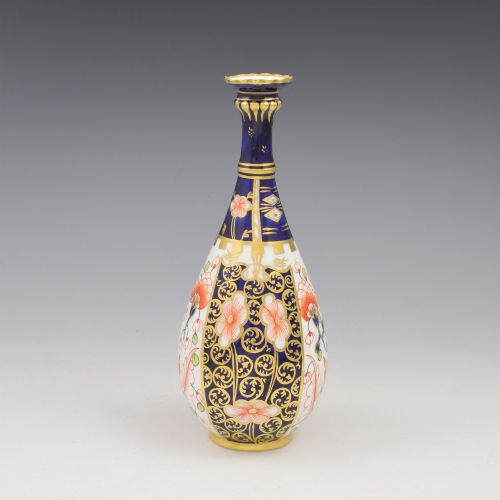
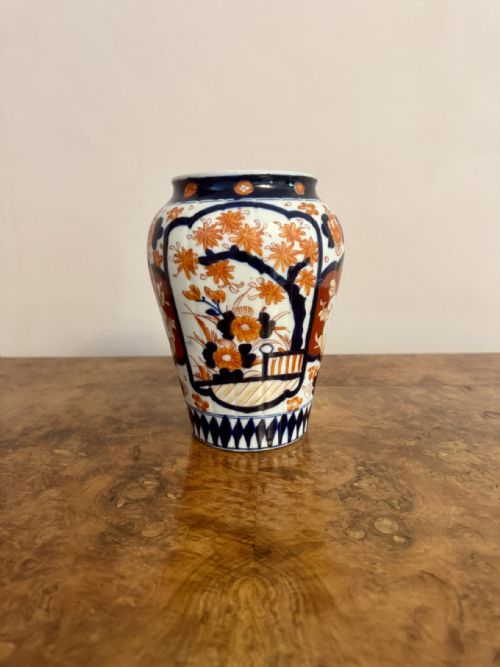
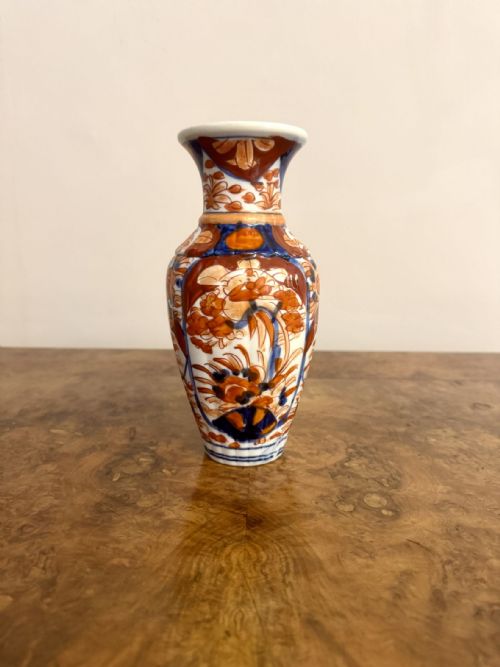
When you search for cobalt and iron red pottery, you encounter a selection of pieces spanning the nineteenth century and early twentieth century. The primary forms available include vases, decorative plates, and decorative dishes originating from Japanese Meiji workshops and British makers.
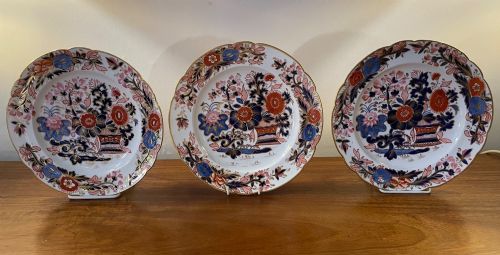
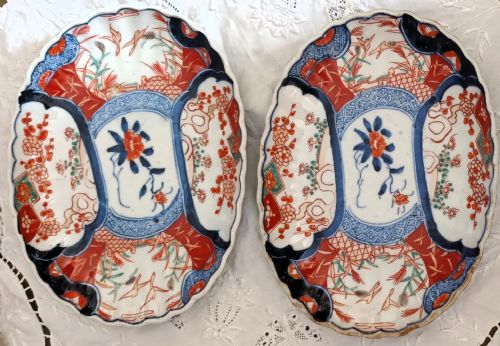
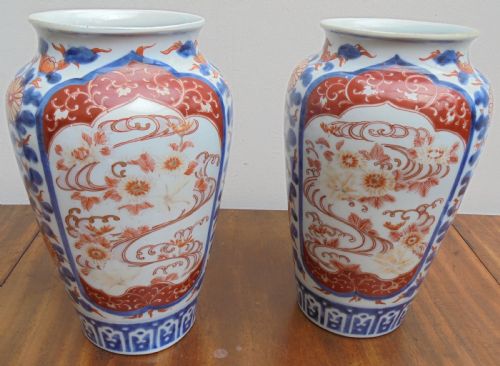
You are most likely to meet Japanese Imari porcelain vessels and plates finished in the distinctive blue and red palette alongside gilt highlights. Staffs plates and Mason's ironstone also appear, carrying Regency Chinoiserie and Imari style decoration across earthenware and porcelain bodies.
How they were made
Makers utilised porcelain and earthenware bodies, applying underglaze cobalt blue and overglaze enamel glaze to build the characteristic two-tone palette. Enamel and gold leaf or gilding were frequently added as finishing details on top of the primary glaze.
Firing techniques allowed deep cobalt pigments to fuse beneath the glaze while iron red and gilt details sat crisply on the surface. Potters shaped hexagonal and standard vessel forms by hand or mould, suiting the decorative demands of the period.
Cobalt and Iron Red Pottery Retail Price Guide 2026
Typical asking prices for cobalt and iron red pottery among the pieces listed under this phrase on Sellingantiques today, from the lower quarter to the upper quarter. They describe what is for sale here now, not the wider market.
Exotic birds peer out from nineteenth-century Japanese plates, reminding us that early export artists painted foreign fauna with sheer imagination.
What varies in quality
The standard of painting on the surface dictates the distinction between ordinary production and finer output. Crisp brushwork in the cobalt and iron red areas creates defined motifs, whereas rushed execution leaves blurred edges and muddy tones.
The preservation of surface gilding and enamel integrity also divides the range. Pieces retaining crisp gold leaf highlights and vibrant red enamel without rubbing sit clearly above heavily worn examples.
The Cobalt and Iron Red Pottery Glossary
- Imari palette
- A decorative scheme employing cobalt blue, iron red, and supplementary gilding. This palette originated in Japan and heavily influenced European factories.
- Chinoiserie
- European artistic styles reflecting Chinese and broader East Asian motifs. Regency examples often translate these themes onto British earthenware.
- Ironstone
- A heavy durable type of earthenware patented in the nineteenth century. It provided a sturdy alternative to porcelain for domestic tableware.
- Enamel glaze
- Coloured glass fused to the ceramic surface during secondary low-temperature firings. It yields the vibrant red tones characteristic of this pottery.
- Meiji Period
- The era of Japanese history spanning from 1868 to 1912. Many decorative export pieces date from this prolific manufacturing time.
Cobalt and Iron Red Pottery: Frequently Asked Questions
What is cobalt and iron red pottery?
These items are ceramic vessels and plates decorated primarily in deep blue and rust red pigments. They span Japanese export wares and nineteenth-century British adaptations.
Most pieces take the form of vases and decorative dishes meant for display. Their distinctive palette draws directly from traditional Imari and Chinoiserie aesthetics.
How do I date these pieces?
Dating relies on identifying the underlying material, factory marks, and stylistic traits like Meiji period motifs or Regency forms. Nineteenth-century examples often show characteristic wear patterns and glaze formulations.
Comparing body weight and potting style against known manufacturing periods helps narrow down the decade of production. British ironstone and Japanese porcelain exhibit distinct paste characteristics.
Were these pieces used daily?
Vases and decorative plates were primarily intended for interior display rather than heavy dining use. Their painted surfaces and gilt highlights were vulnerable to everyday abrasion.
Matching sets of plates might have seen occasional service in wealthy households, but surviving specimens often bear minimal usage marks due to their decorative purpose.
How should I clean them?
Careful dusting with a soft, dry cloth is usually sufficient for maintaining the glazed surfaces. Immersing antique ceramics in water risks damaging fragile overglaze enamels and old repairs.
Avoid abrasive cleaners or modern detergents that can strip away the delicate gold leaf and enamel details. Gentle maintenance preserves the historic finish.