


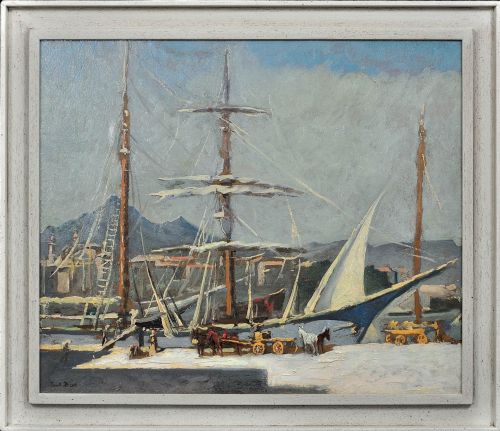

Coastal Landscape Oil Canvas
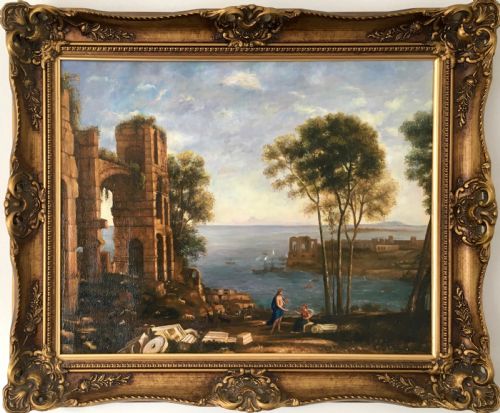
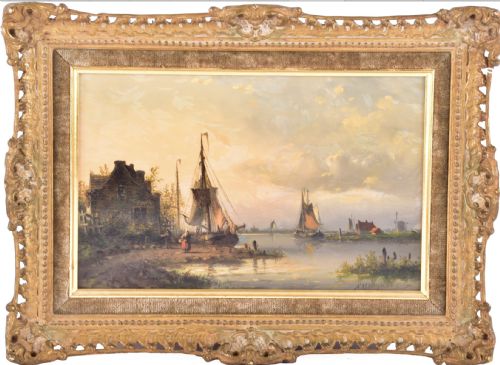
When seeking a coastal landscape oil canvas, collectors encounter maritime scenes and harbour views rendered in oils across centuries.
Coastal Landscape Oil Canvas
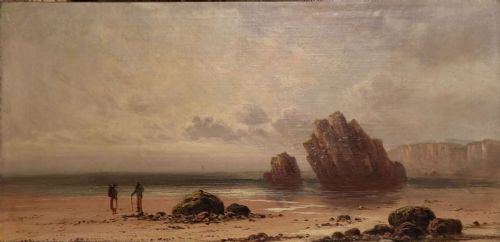
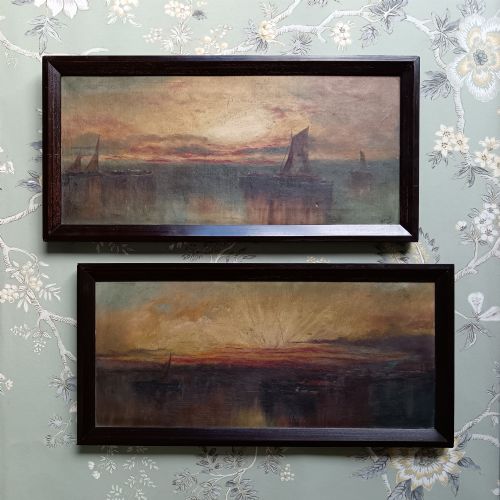
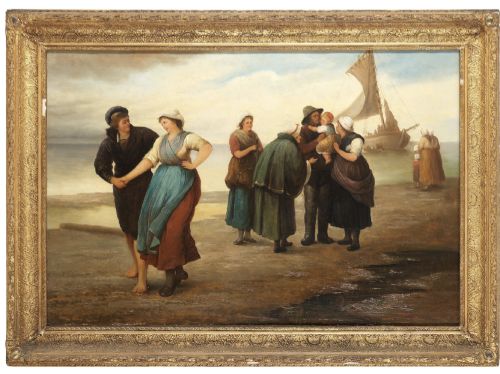
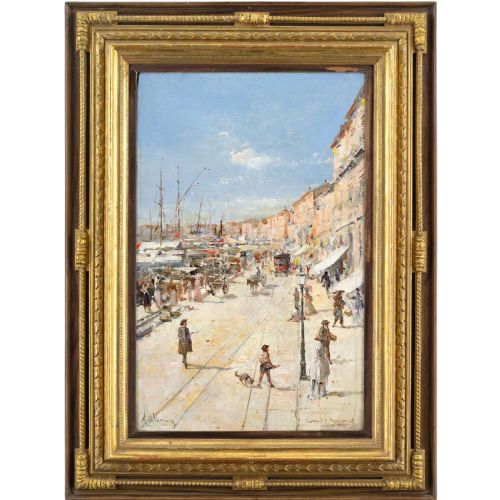
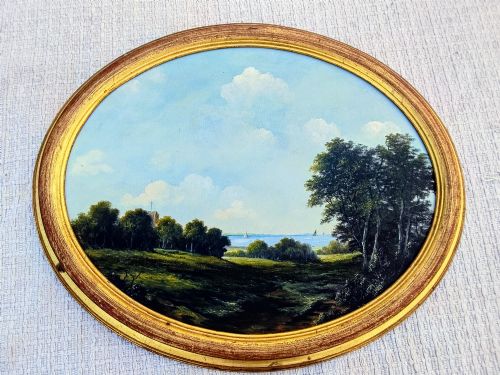
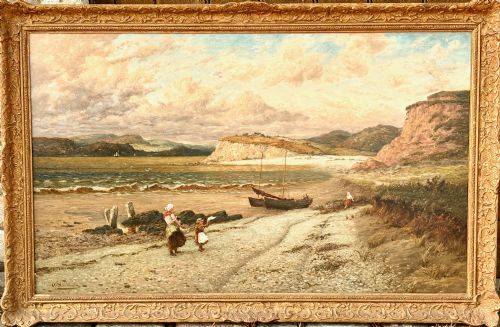
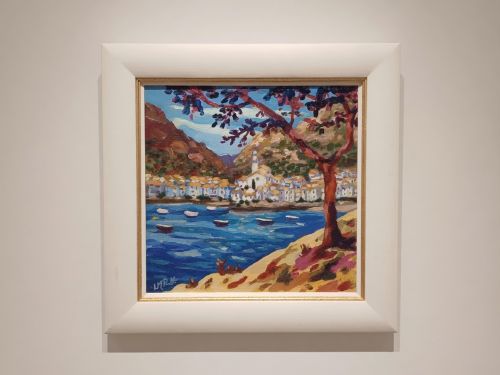
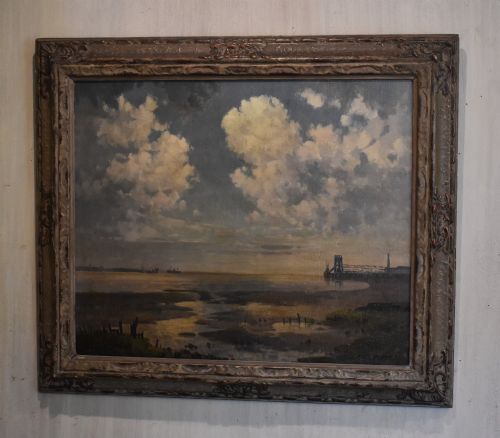
A coastal landscape oil canvas captures maritime scenes, harbours, cliffs, and shorelines using oil paint applied to stretched canvas or board. These works span from nineteenth-century academic depictions to mid-twentieth-century impressionistic interpretations.
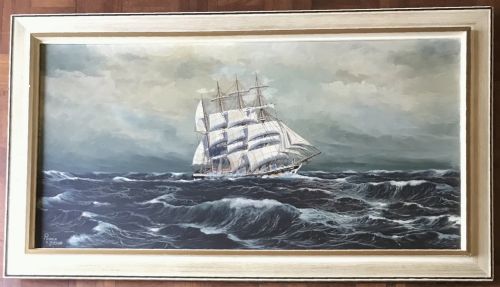
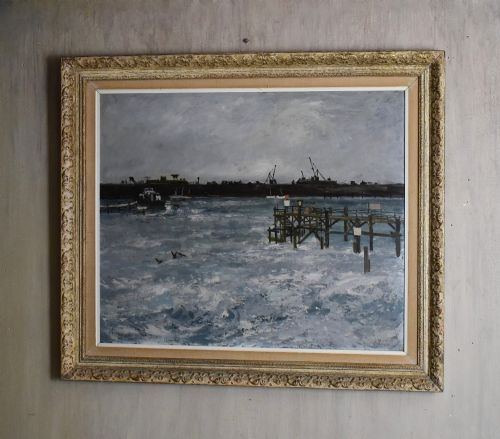
The selections on this page feature British and European locations, ranging from quiet sandy coves and busy fishing ports to dramatic seascapes with vessels navigating rough waters. Both signed works by listed artists and anonymous regional studies appear across the inventory.
Materials and technique
Artists utilise traditional oil paints composed of pigment suspended in drying oils like linseed, layered over primed linen or cotton canvas stretched across wooden frames. Many works also employ wood panels or boards as a rigid support for the paint layer.
Brushwork varies from smooth, blended academic applications to thick impasto techniques that build physical texture on the surface to suggest churning water, rocky cliffs, or wind-swept sails.
Listings feature works spanning the nineteenth century through the mid-twentieth century, executed in oil on canvas, panel, and board.
Distinctions in execution
Mastery of natural light and atmospheric perspective separates superior examples from routine topographical records, particularly in the rendering of shifting coastal weather and reflected sunlight on water. Compositional balance and the confident handling of maritime architecture or marine vessels further elevate a canvas.
The condition of the original paint layer and canvas support plays a vital role in longevity, alongside the retention of period gilt wood frames that complement the specific aesthetic of the era.
Bonaventura Peeters·John Wilson Carmichael·Joseph Farquharson·Donald McIntyre
The Coastal Landscape Oil Canvas Glossary
- Impasto
- Paint applied thickly to a canvas, standing out in relief from the plane so that the marks of the brush or palette knife remain visible. This technique adds tactile depth and catches light across energetic water or stormy skies.
- Maritime painting
- Artwork that depicts ships, harbours, and coastal scenes as the primary subject matter. These pieces document naval history, commercial shipping, and coastal life.
- Gilt wood frame
- A wooden picture surround covered in a thin layer of gold leaf or metallic gilt paint. Period frames often feature decorative moulded plaster details specific to their decade of manufacture.
- Provenance
- The documented history of ownership of an artwork from its creation to the present day. Clear provenance helps verify attribution and authenticity.
Coastal Landscape Oil Canvas: Frequently Asked Questions
How do I date a coastal landscape oil canvas?
Dating relies upon stylistic cues, artist signatures, framing materials, and the physical characteristics of the canvas or stretcher bars. Nineteenth-century works often feature tighter brushwork and heavier gilt frames, whereas mid-twentieth-century pieces lean towards looser impressionistic strokes.
Examining the reverse of the canvas can reveal old exhibition labels, artist inscriptions, or stamps from nineteenth- and twentieth-century art suppliers that narrow down the period of creation.
Where were these coastal scenes typically painted?
The works originate from various British, French, Dutch, and Italian shores, capturing recognizable harbours, fishing villages, and dramatic cliffs. Popular locations include Cornish fishing ports, Scottish coastal towns, and Mediterranean waterfronts.
Artists often travelled to established coastal colonies or local beaches to paint en plein air, recording the changing light and maritime activity firsthand before finishing the canvases in their studios.
How do I display an oil painting safely at home?
Paintings on canvas perform best when hung away from direct sunlight, heating vents, and damp exterior walls to prevent warping of the wood stretcher and fading of the pigments. Maintaining a stable indoor environment protects both the canvas and the original frame.
Securing the frame with appropriate wall fixings suited to the weight of the specific piece ensures safe suspension without straining the structural integrity of the antique hardware.