



Coalport China Dishes
These coalport china dishes bring hand-painted artistry and fine porcelain from past centuries directly to your table and cabinet.
Coalport China Dishes
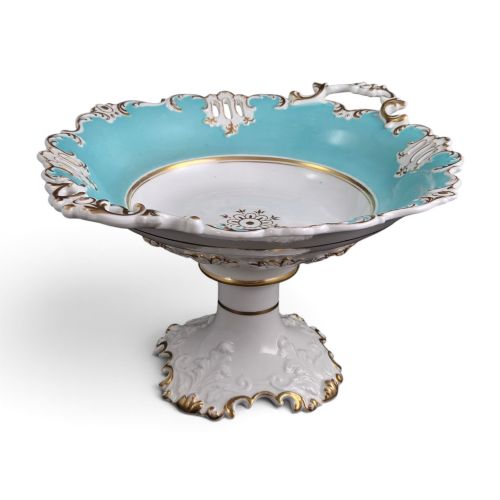
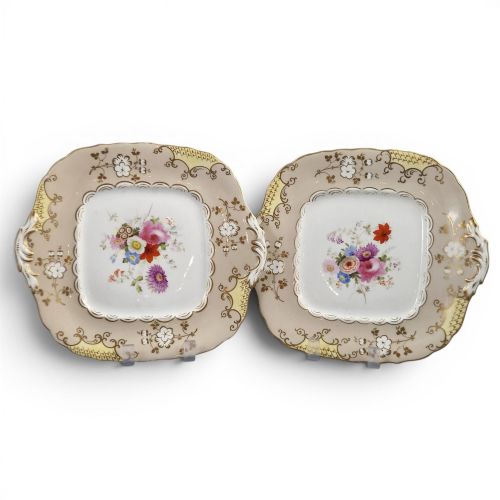
When you search for coalport china dishes, you enter a field spanning the Georgian, Regency, and Victorian eras into the early twentieth century. The selection ranges from cabinet plates and tazzas to dinner services, soup plates, and serving dishes.
The objects carry the stylistic shifts from Rococo Revival and Regency designs through to later nineteenth-century tastes. Each piece reflects the output of English ceramic production from specific historical decades.
Materials and construction
The bodies utilise bone china and porcelain, providing a fine white base for subsequent decoration. Makers shaped these materials into flat plates, raised tazzas, and deep serving forms.
Enamel colours and gold leaf application form the visual surface of these wares. Hand-painted details complete the decoration, often accompanied by gilt highlights and topographical or floral subjects.
Coalport China Dishes Retail Price Guide 2026
Typical asking prices for coalport china dishes among the pieces listed under this phrase on Sellingantiques today, from the lower quarter to the upper quarter. They describe what is for sale here now, not the wider market.
Listings span the Georgian, Regency, and Victorian periods, utilising porcelain, bone china, enamel, and gold leaf across seven distinct object forms.
Assessing quality
Quality rests upon the execution of the hand-painting and the sophistication of the surrounding enamel and gold leaf work. Named topographical scenes or specific botanical studies elevate the artistic ambition of an individual dish.
The complexity of the moulded form, such as Rococo Revival shaping or tazza pedestals, distinguishes standard production from more ambitious output. Association with known decorators or historical commissions adds documentary interest to the object.
Tom Keeling·Thomas Dickson·John Evans
The Coalport China Dishes Glossary
- Bone china
- A type of soft-paste porcelain containing bone ash, yielding a durable and translucent body. It forms the basis of many nineteenth-century English table wares.
- Tazza
- An elevated shallow vessel or plate on a pedestal foot, used for serving fruit or sweets. These pieces often occupy a central place in dessert services.
- Soup plate
- A broad plate with a flat rim and a depressed centre, designed for serving soup. They form part of larger dining services.
- Gilt
- A thin layer of gold applied to the surface of porcelain for decorative enrichment. It appears frequently along the rims and borders of cabinet plates.
- Enamel
- Vitreous material fused to the ceramic surface through firing to provide coloured decoration. Painters use it to render botanical and figurative details.
Coalport China Dishes: Frequently Asked Questions
What are coalport china dishes?
These are porcelain and bone china table and display wares produced in England across the Georgian, Regency, and Victorian periods. They include plates, tazzas, and serving dishes.
The category encompasses both utilitarian dining pieces and decorative cabinet items featuring hand-painted botanical, landscape, and heraldic subjects.
How were they used?
Plates and serving dishes functioned in formal dining services for courses such as soup, dessert, or general dinner service. Tazzas held fruit and sweetmeats during formal nineteenth-century meals.
Cabinet plates served a purely decorative purpose, displayed on walls or furniture to showcase the artistic skill of the maker and painter.
How do I date a piece?
Dating relies on stylistic evidence such as Rococo Revival moulding, Regency borders, or Victorian decorative motifs recorded in the object descriptions. Period markers include changes in porcelain bodies and painting styles.
Specific dates or historical events referenced in the hand-painted scenes, such as castle views or armorial bearings, provide further chronological context.
How do I care for antique china?
Display these porcelain and bone china items securely on stable surfaces or within cabinets suited to their weight and form. Avoid placing them in modern dishwashers.
Clean gently with a soft cloth and lukewarm water when necessary, protecting the delicate enamel and gold leaf surfaces from abrasion.