



Coalport China Dish
These coalport china dish examples range from Georgian botanical serving pieces to late Victorian cabinet plates.
Coalport China Dish
A coalport china dish brings English ceramic history into a room, spanning periods from the Georgian era through to the Edwardian period. Buyers encounter forms such as dessert dishes, cabinet plates, tazzas, and dinner service plates.
The pieces often feature topographical scenes, floral painting, or armorial designs tied to specific commissions. Most examples date from the nineteenth century, reflecting the shifting tastes of Victorian and Regency makers.
How they were made
The workshops utilised bone china and porcelain as the primary base materials for these items. Artisans shaped these bodies into plates, serving dishes, and tazzas before firing.
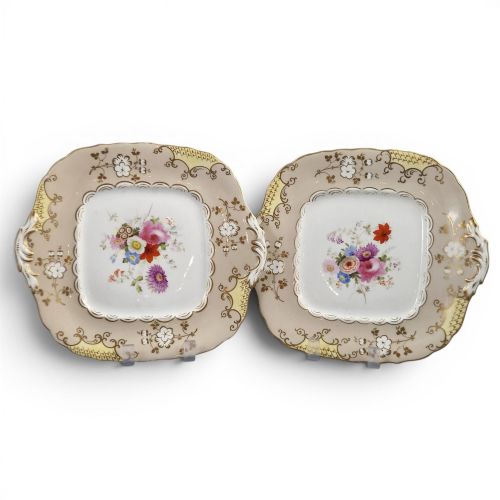
Decoration relied on hand painting, enamel work, and the application of gold leaf and gilt highlights. Specific patterns such as the Union pattern or named lake views required steady brushwork from skilled ceramicists.
Coalport China Dish Retail Price Guide 2026
Typical asking prices for coalport china dish among the pieces listed under this phrase on Sellingantiques today, from the lower quarter to the upper quarter. They describe what is for sale here now, not the wider market.
Some plates carry the weight of an entire barony, having been ordered for nobility with a taste for fine castle views.
What varies in quality
Quality rests upon the skill of the hand painting and the complexity of the design, such as botanical studies or detailed castle views. Pieces attributed to named hands or specific historic commissions tend to show superior artistic execution.
The richness of the gilding and the crispness of the porcelain moulding separate standard production items from finer cabinet pieces. Earlier Georgian and Regency items often display distinct potting characteristics compared to later Victorian output.
Tom Keeling·Thomas Dickson·John Evans 5th Baron Carbery
The Coalport China Dish Glossary
- Bone china
- A type of soft-paste porcelain incorporating bone ash, developed to create a durable and slightly translucent white body. It forms the foundation for many nineteenth-century Coalport plates.
- Tazza
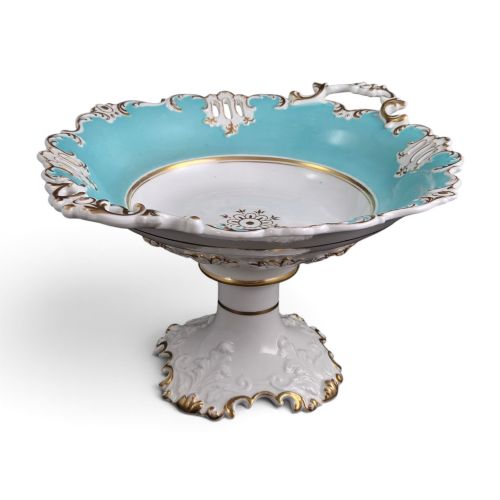
- An elevated shallow vessel or plate supported on a single foot, used historically for serving fruit or sweetmeats. These decorative stands often feature elaborate gilt or turquoise borders.
- Gilt
- A thin layer of gold applied to the surface of porcelain for ornamentation. It highlights moulded rims and handles on dessert and dinner service dishes.
- Cabinet plate
- A decorative plate intended for display in a cabinet rather than for table use. They frequently showcase hand-painted topographical views or heraldic subjects.
- Enamel
- Opaque vitreous composition used for adding coloured decoration over the glazed porcelain surface. Enamels provide the vibrant hues found on floral and botanical motifs.
Coalport China Dish: Frequently Asked Questions
What periods do these dishes come from?
The selection spans the Georgian, Regency, and Victorian eras, stretching from the early nineteenth century into the Edwardian period. Most examples originate from the 1800s.
Changes in style over these decades moved from botanical serving dishes towards elaborate turquoise tazzas and hand-painted cabinet plates.
How were these dishes used originally?
They served multiple functions at the dining table, ranging from soup plates and dessert service dishes to large serving pieces. Tazzas held fruit or sweetmeats during formal meals.
Other items, such as cabinet plates, were made specifically for display in formal rooms rather than for everyday dining.
What materials did the makers use?
Makers utilised fine porcelain and bone china as the core ceramic bodies for these wares. Artisans then applied enamel colours and gold leaf by hand.
Gilt highlights and raised paste work frequently accent the rims and central painted panels of the better examples.
How do I identify different styles?
Early nineteenth-century pieces often feature botanical studies or armorial crests associated with specific noble patrons. Later Victorian examples tend to showcase castle scenes, floral sprays, or rich turquoise borders in the Rococo Revival taste.
Examining the painting technique and the nature of the porcelain body helps separate the earlier Georgian items from late nineteenth-century productions.